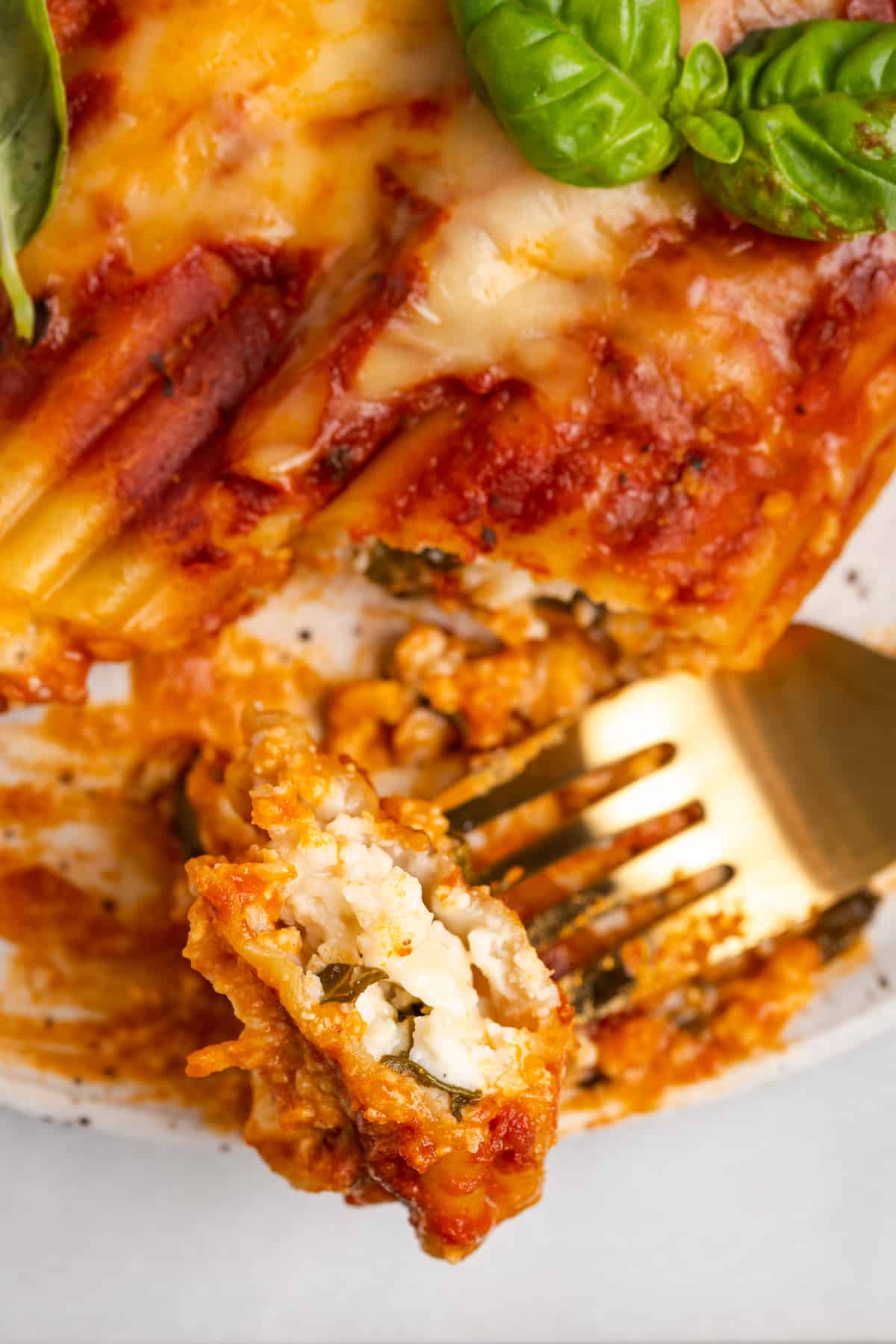
This vegan manicotti recipe is a guaranteed winner! With a creamy spinach and ricotta filling and plenty of plant-based cheese on top, it’s the perfect cozy comfort food meal.
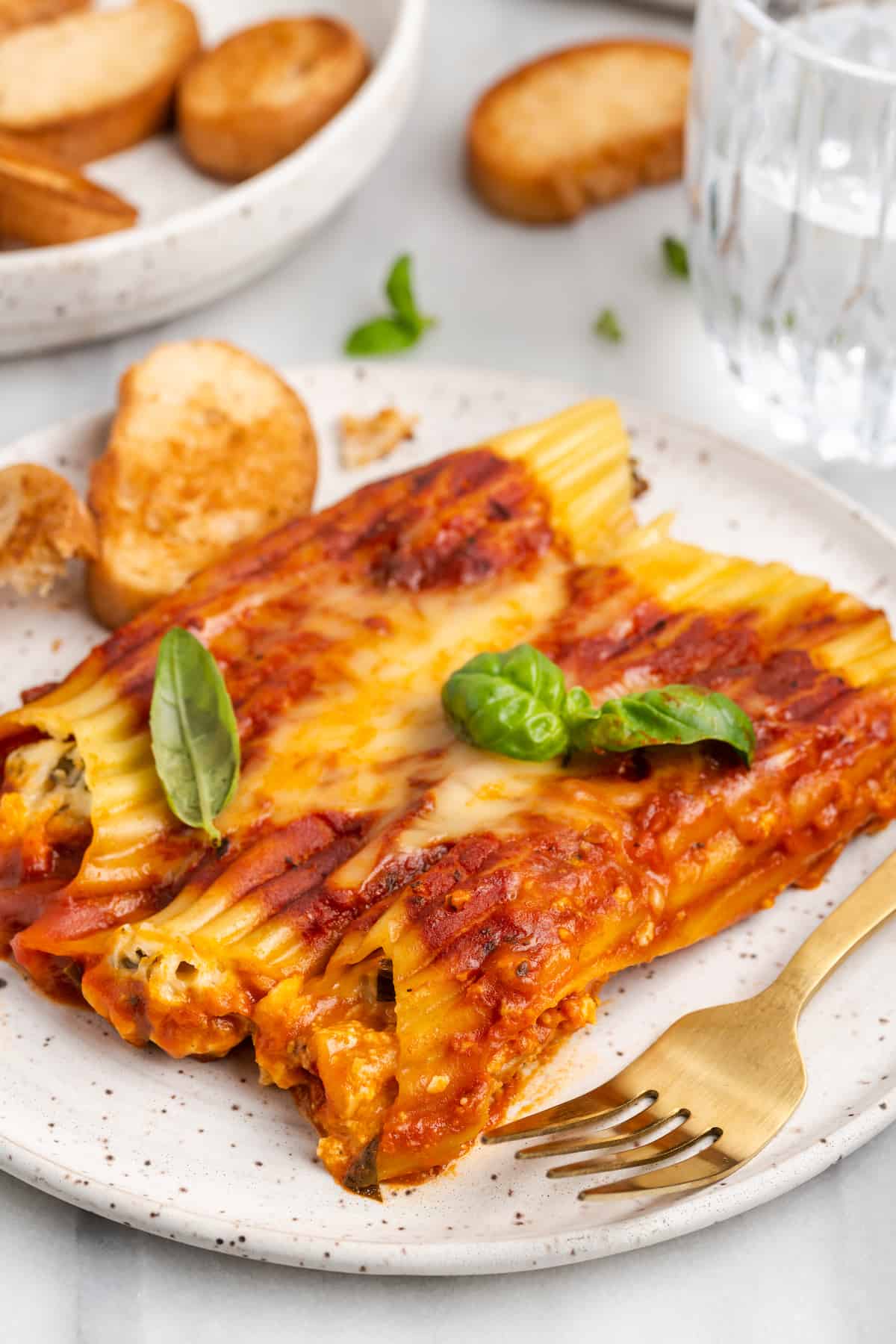
Do you love vegan stuffed shells ? Can’t get enough vegan lasagna ? Well then, this vegan manicotti recipe might just be your new favourite dinner!
Manicotti is an Italian pasta dish similar to stuffed shells, except instead of tucking a creamy vegan ricotta filling into jumbo pasta shells, you’ll fill pasta tubes instead. My vegan-friendly version is baked in a marinara sauce with melty plant-based cheese on top to create the perfect Italian-inspired meal. (And if you’re feeding a group of mixed eaters, trust me: the cheese-lovers will never guess this dish is dairy-free!)
What Is the Difference Between Manicotti and Cannelloni?
Manicotti and cannelloni are both types of Italian pasta dishes, and they’re very similar in appearance. The main difference between the two is that manicotti are ridged pasta tubes filled with a savory filling, while cannelloni is made with large rectangles of pasta (or sometimes crepes) that are rolled up with the filling. Cannelloni is more common in Italy, while manicotti is more of an Italian-American dish.
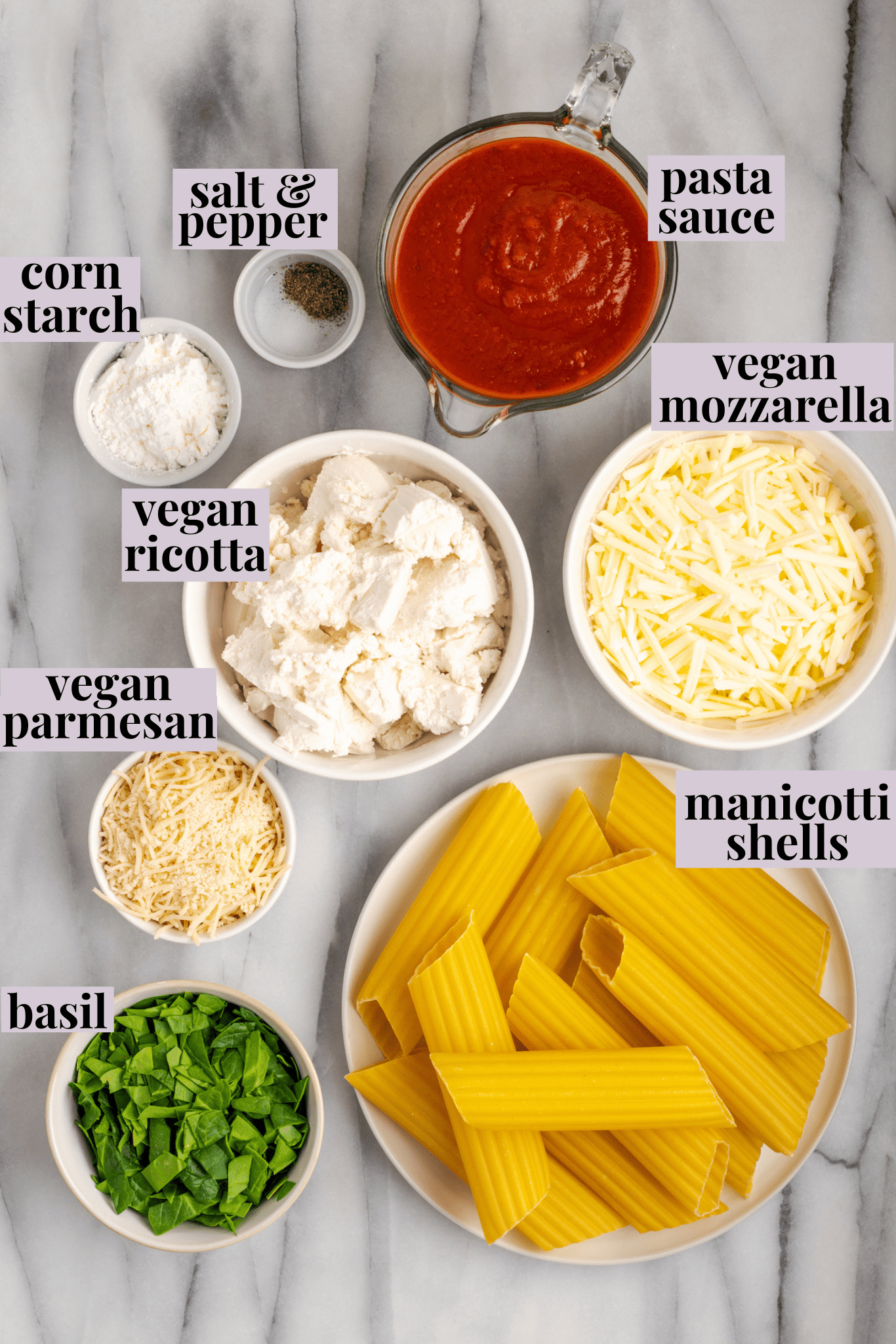
Notes on Ingredients
Scroll down to the recipe card to find the ingredient quantities and recipe instructions.
- Manicotti shells
- Vegan ricotta cheese – You can use store-bought or if you can’t find it, make your own vegan ricotta .
- Vegan shredded mozzarella cheese – I like using a bag of shreds, as shredded vegan cheese is usually formulated for melting.
- Vegan parmesan – Again, you can use store-bought or make your own vegan Parmesan .
- Fresh baby spinach – This is the classic choice for manicotti filling, but you can switch things up with chard if you’d like.
- Cornstarch
- Salt
- Black pepper
- Pasta sauce – Save yourself some time and use your favourite jarred sauce, or make your own marinara .
- Fresh basil
What Is Vegan Ricotta Made From?
Vegan ricotta is a dairy-free alternative to traditional ricotta cheese. There are versions made with tofu, cashews, and almonds—any of these will work in this vegan manicotti recipe, so choose which one tastes best to you or that works best for your dietary preferences.
How to Make Vegan Manicotti
The beauty of this vegan manicotti recipe is that it’s a no-boil version—which means you don’t have to worry about the pasta tubes falling apart or having to wait for them to cool before stuffing!
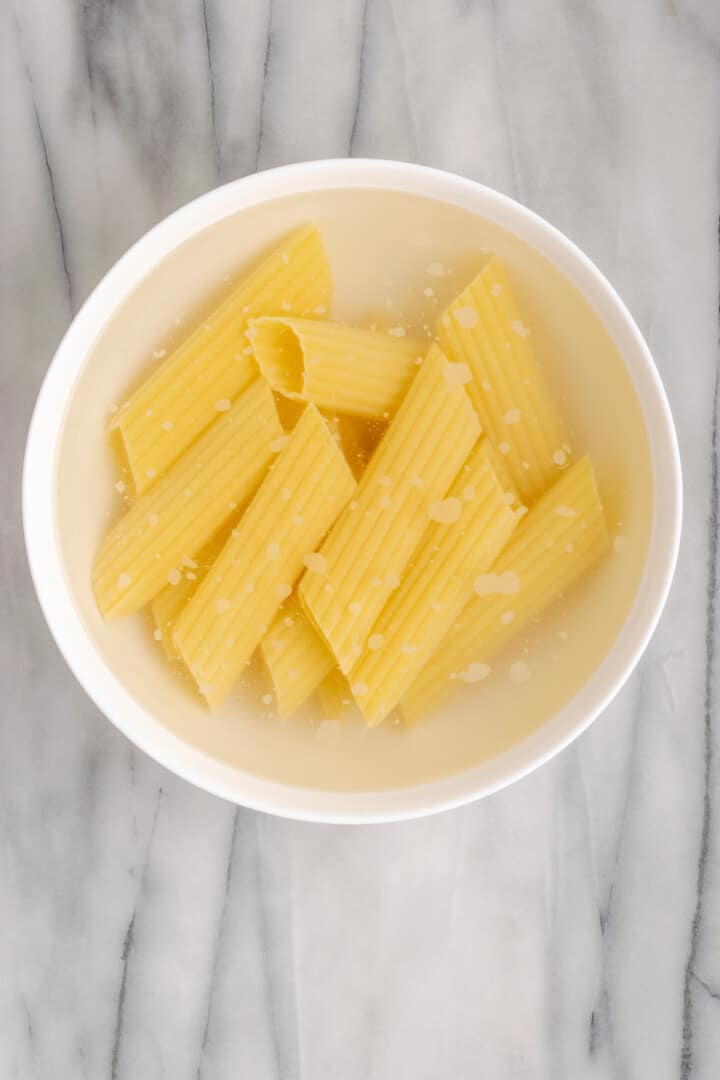
Prepare. Preheat your oven to 350ºF and coat a 9×13 baking dish with non-stick spray. Let the pasta tubes soak in a large bowl of hot water for 30 minutes, stirring at the halfway point to keep them from sticking.
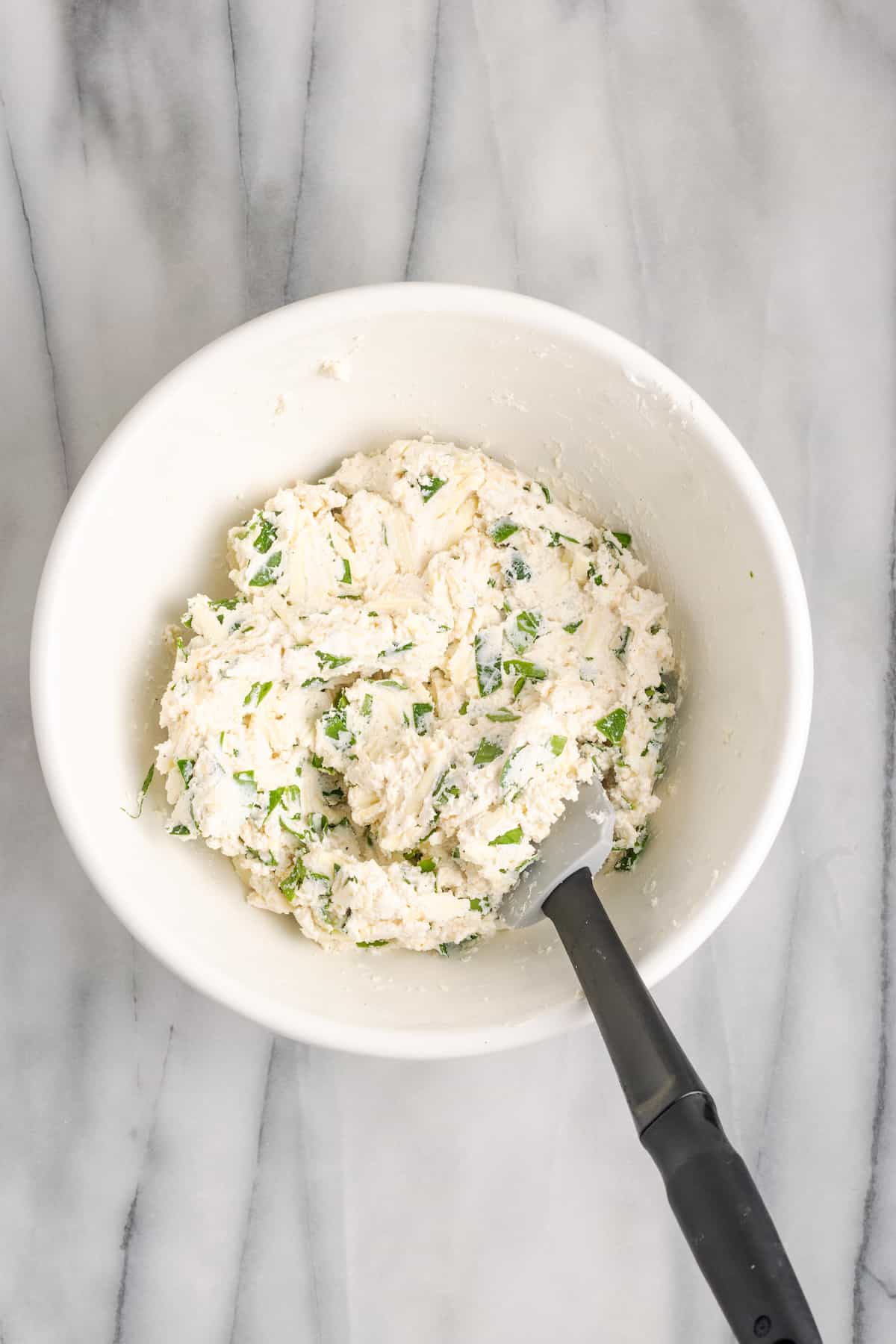
Make the filling. Drain any liquid from the vegan ricotta, then place it in a mixing bowl. Add the vegan mozzarella (reserve 1/2 cup for later), Parmesan, spinach, cornstarch, salt, and pepper and stir well. Scoop the ricotta mixture into a piping bag or a zip-top bag with the corner snipped off.
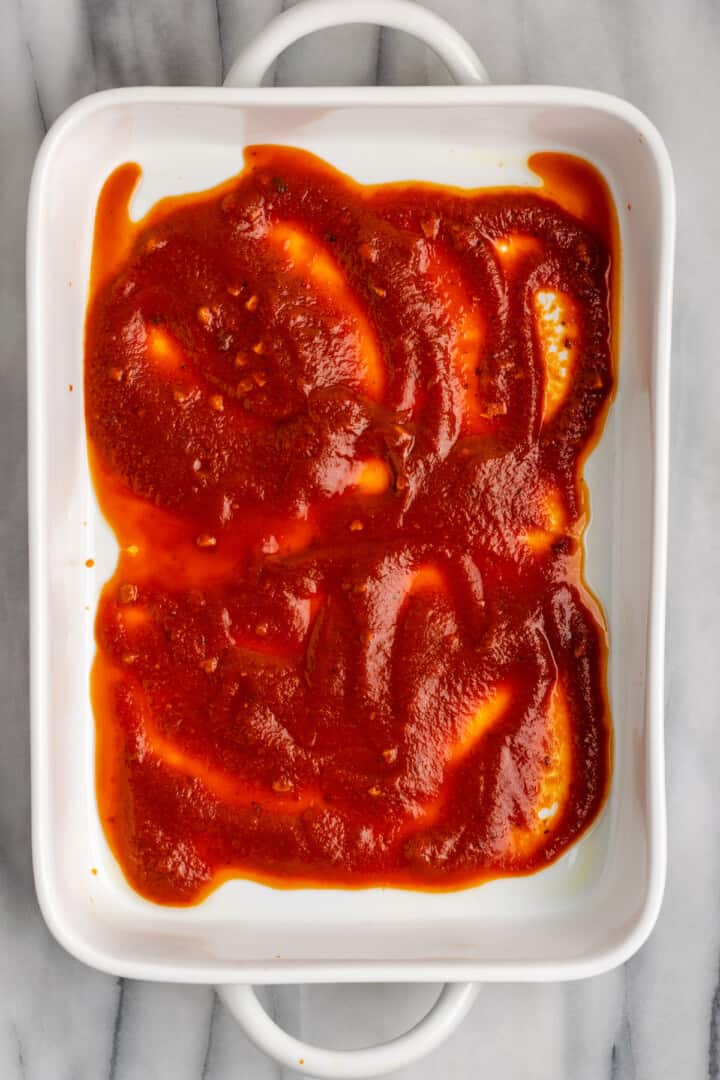
Assemble. Spread half of the pasta sauce into the bottom of the baking dish. Squeeze about 1/3 cup of filling into each pasta tube. Set the filled tubes in the baking dish; once you’ve filled all of the manicotti, pour the remaining sauce over the top and add the reserved vegan mozzarella.
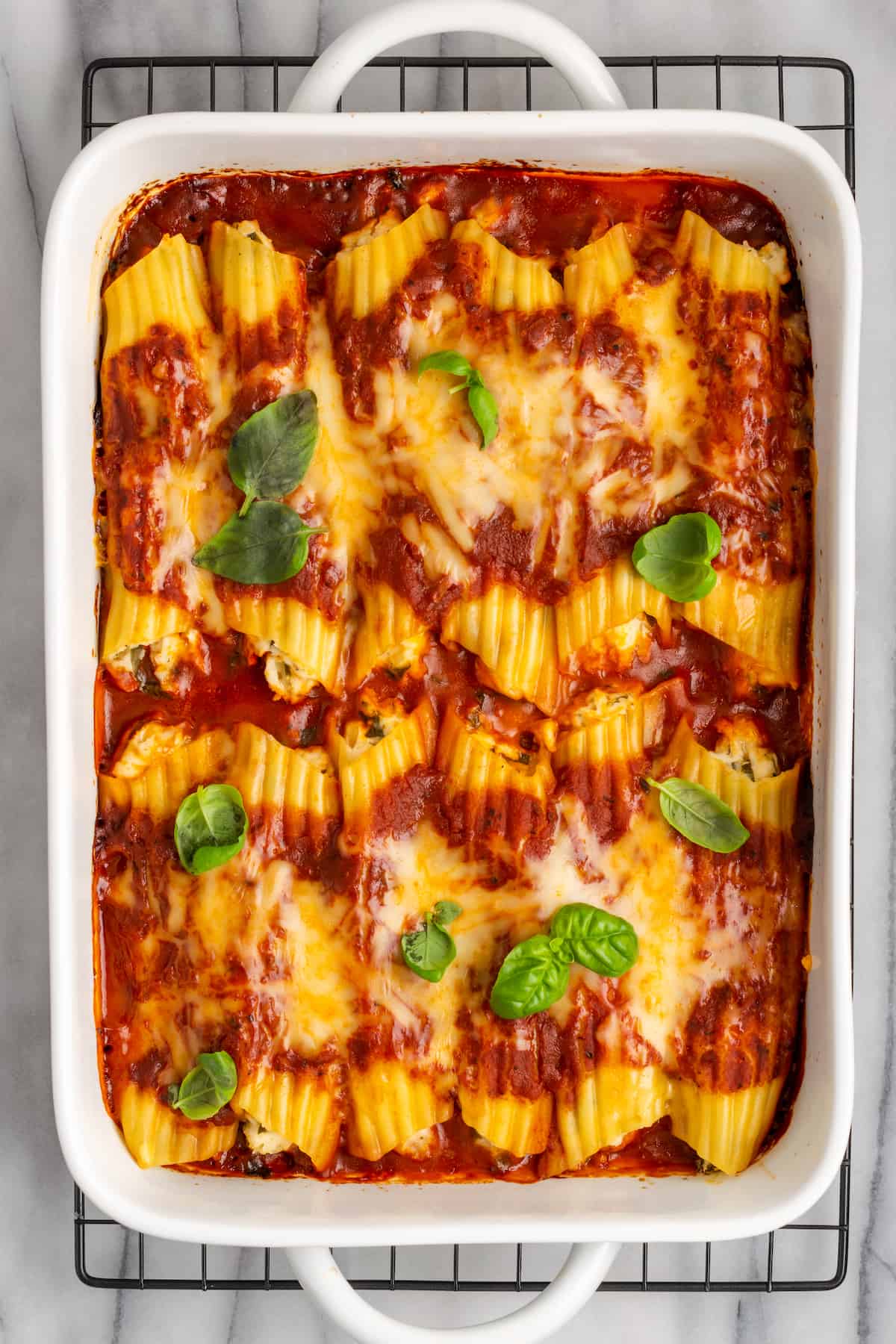
Bake and serve. Cover the baking dish with aluminum foil and bake for 45 minutes. Let the vegan manicotti cool for 10 minutes, then garnish with basil before serving.
Tips for Success
Here are my best tips for perfect vegan manicotti:
- Pipe from both sides of the pasta tubes. To make sure the tubes are filled evenly, I like to pipe half of the filling from one side of the tube, then turn it and fill the other side.
- Cover the baking dish completely with sauce. Make sure the sauce goes all the way to the edges of the baking dish in an even layer, with no bare spots. An even layer of sauce will help soften the pasta as it bakes in the oven.
- Use a pasta sauce that tastes good. Don’t skimp here! The pasta sauce is a big player in the flavour of the finished dish.
Variations
If you like putting your own spin on recipes, this vegan manicotti will give you plenty of room to do just that. Sautéed diced mushrooms and shallots make for a more substantive filling; just stir them into the vegan ricotta and then spoon the filling into the shells rather than piping. Chopped canned artichokes are a tasty addition, too, or you can skip the spinach and add some pesto to the ricotta instead for a more herbaceous flavour.
Serving Suggestions
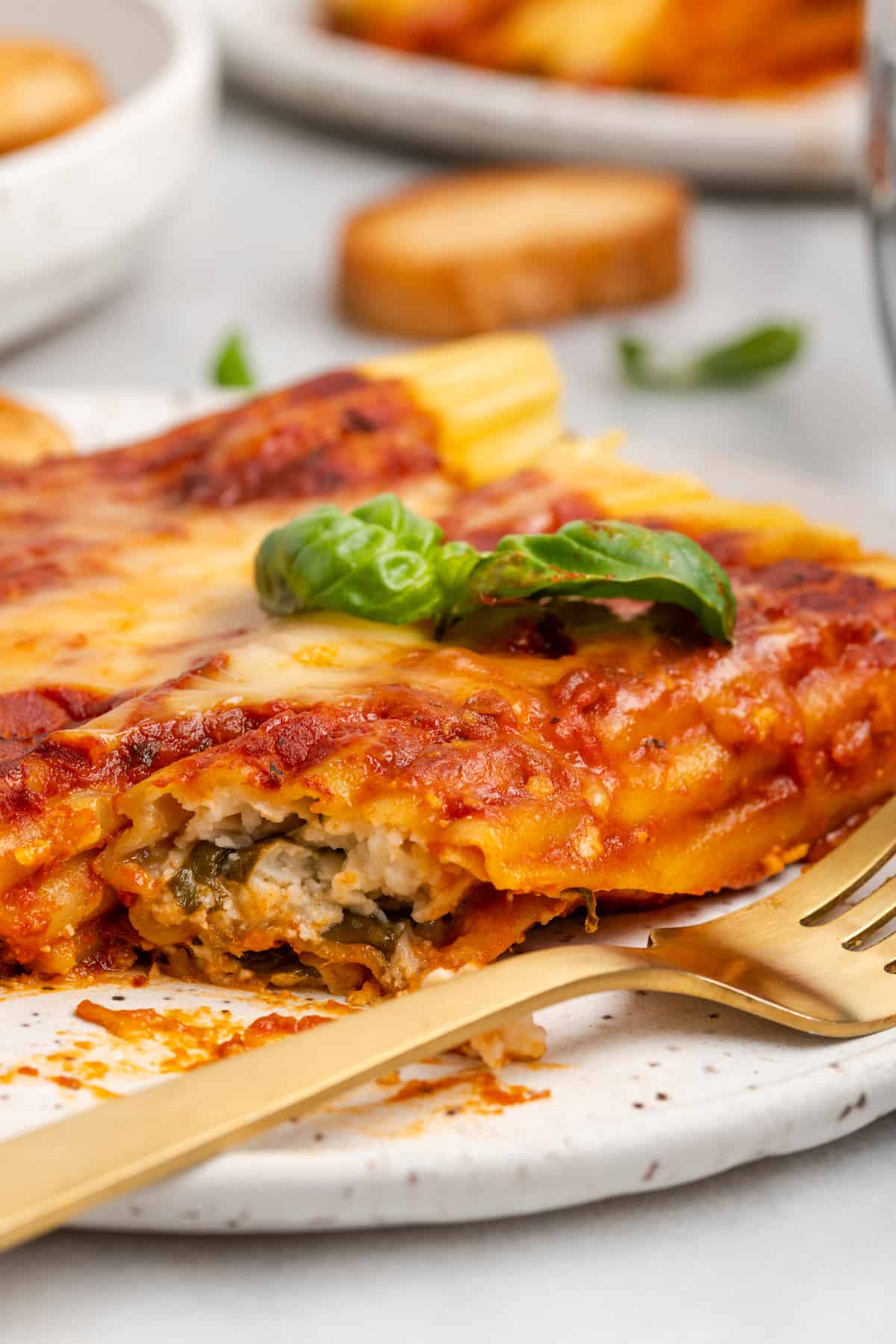
I love having vegan manicotti with a piece of crusty roasted garlic bread , but a simple side of balsamic roasted vegetables works well too. If you have leftover spinach, you can use that to make a side salad with my creamy vegan avocado dressing .
How to Store Leftovers
Store vegan manicotti in an airtight container in the refrigerator for up to 4 days. You can reheat it in a 350ºF oven or in the microwave until it’s warmed through.
Can This Recipe Be Frozen?
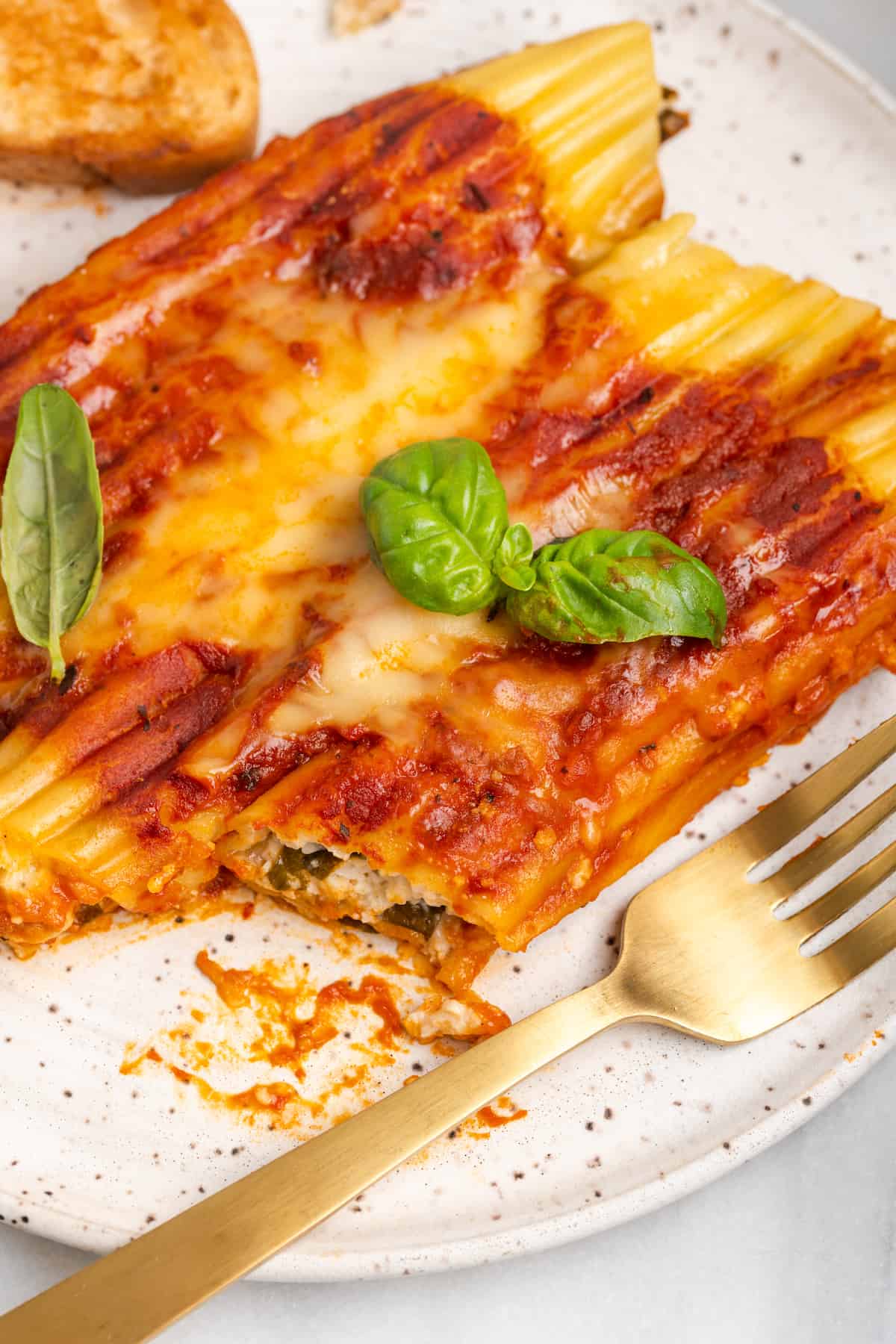
Yes! Transfer your vegan manicotti to a freezer-safe container or bag and freeze for up to 3 months. Let the manicotti thaw in the refrigerator before reheating according to the instructions above.
More Vegan Pasta Recipes
- Creamy Garlic Mushroom Pasta
- Vegan Spaghetti and Meatballs
- Vegan Garlic Alfredo Pasta
- Butternut Squash Mac and Cheese (Vegan)
Ingredients
- 12 manicotti shells , 194 grams
- 2 cups vegan ricotta cheese , 454 grams
- 1 ½ cup vegan shredded mozzarella cheese , 168 grams
- ½ cup vegan Parmesan cheese , 56 grams
- 1 cup fresh baby spinach , de-stemmed and chopped, 40 grams
- ¼ cup cornstarch , 32 grams
- ½ teaspoon salt
- ¼ teaspoon black pepper
- 16 ounces pasta sauce , 453 grams
- fresh basil for garnish , optional
Instructions
- Preheat the oven to 350 degrees. Spray a 9×13 baking dish with non-stick spray.
- Place pasta shells in a large bowl of hot water and soak for 30 minutes to soften. Stir around with your hand about halfway through, to unstick any noodles.
- Pour the liquid off the ricotta cheese.
- While the shells are soaking, combine the ricotta cheese, 1 cup of mozzarella, parmesan cheese, spinach, cornstarch, salt and pepper together in a bowl. Mix well.
- Pour half of the pasta sauce into the bottom of the baking dish.
- Transfer the cheese mixture to a piping bag. You can also use a ziploc bag.
- Squeeze about 1⁄3 cup of filling into each pasta shell and place them on top of the sauce in the baking dish.
- Once you’ve filled all of the shells, pour the remaining pasta sauce over the top.
- Sprinkle it with the remaining 1⁄2 cup of mozzarella cheese.
- Cover with aluminum foil and bake for 45 minutes. Remove from the oven and let it sit for 10 minutes before serving.
- Garnish with fresh basil.
Notes

Vegan Manicotti
Ingredients
- 12 manicotti shells 194 grams
- 2 cups vegan ricotta cheese 454 grams
- 1 ½ cup vegan shredded mozzarella cheese 168 grams
- ½ cup vegan Parmesan cheese 56 grams
- 1 cup fresh baby spinach de-stemmed and chopped, 40 grams
- ¼ cup cornstarch 32 grams
- ½ teaspoon salt
- ¼ teaspoon black pepper
- 16 ounces pasta sauce 453 grams
- fresh basil for garnish optional
Instructions
- Preheat the oven to 350 degrees. Spray a 9x13 baking dish with non-stick spray.
- Place pasta shells in a large bowl of hot water and soak for 30 minutes to soften. Stir around with your hand about halfway through, to unstick any noodles.
- Pour the liquid off the ricotta cheese.
- While the shells are soaking, combine the ricotta cheese, 1 cup of mozzarella, parmesan cheese, spinach, cornstarch, salt and pepper together in a bowl. Mix well.
- Pour half of the pasta sauce into the bottom of the baking dish.
- Transfer the cheese mixture to a piping bag. You can also use a ziploc bag.
- Squeeze about 1⁄3 cup of filling into each pasta shell and place them on top of the sauce in the baking dish.
- Once you’ve filled all of the shells, pour the remaining pasta sauce over the top.
- Sprinkle it with the remaining 1⁄2 cup of mozzarella cheese.
- Cover with aluminum foil and bake for 45 minutes. Remove from the oven and let it sit for 10 minutes before serving.
- Garnish with fresh basil.
Notes
Nutrition
Vegan Manicotti https://jessicainthekitchen.com/vegan-manicotti/ April 13, 2023
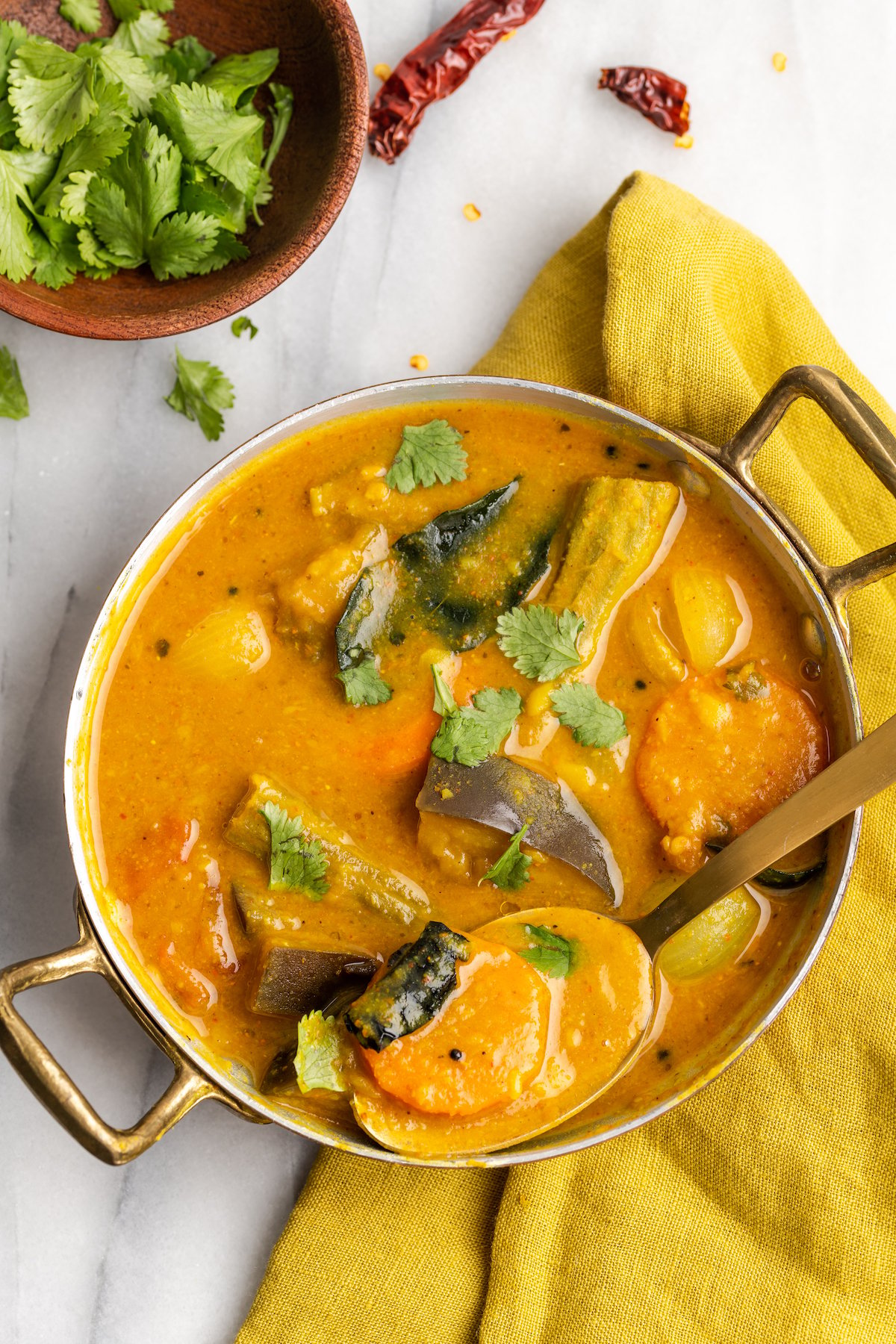
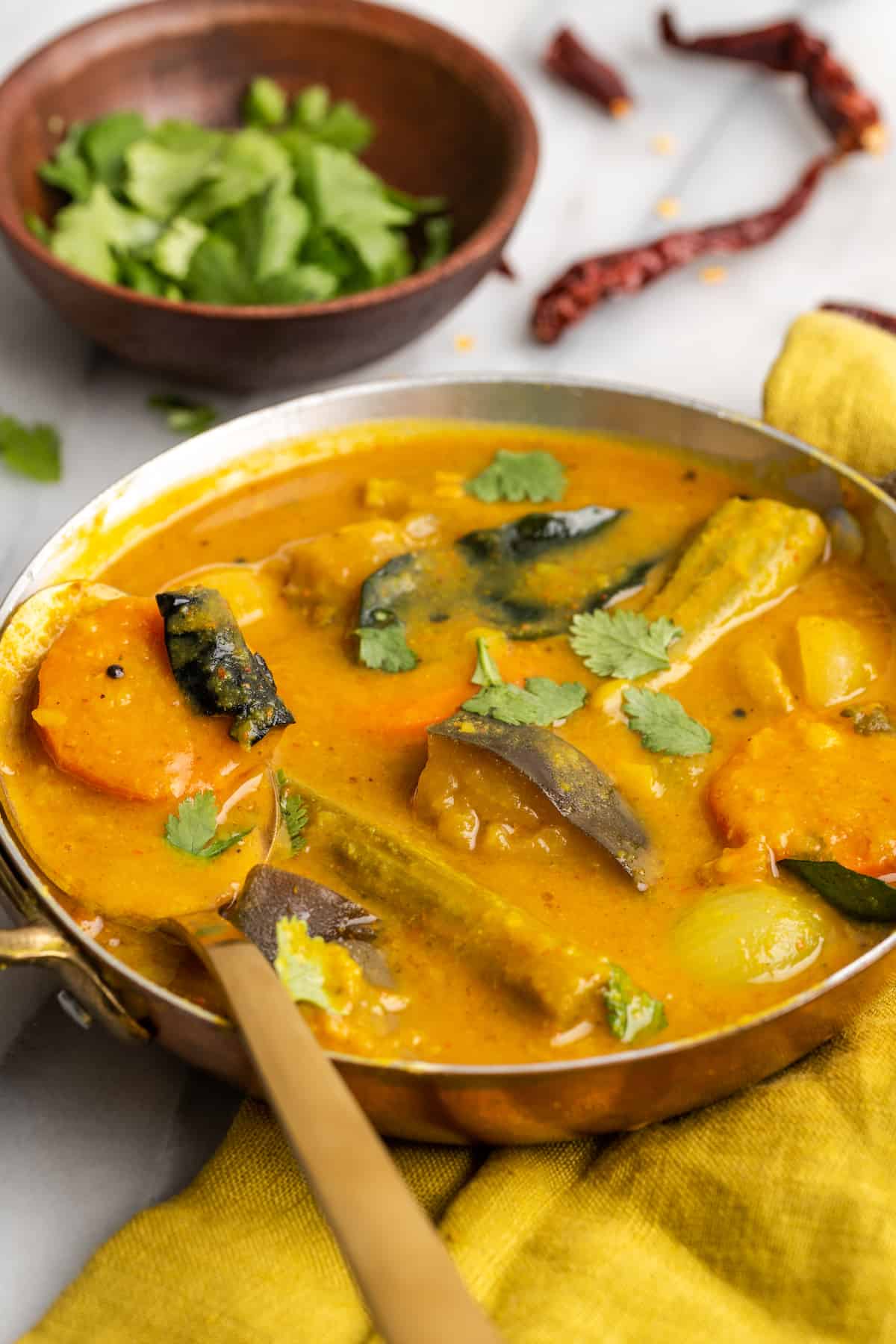
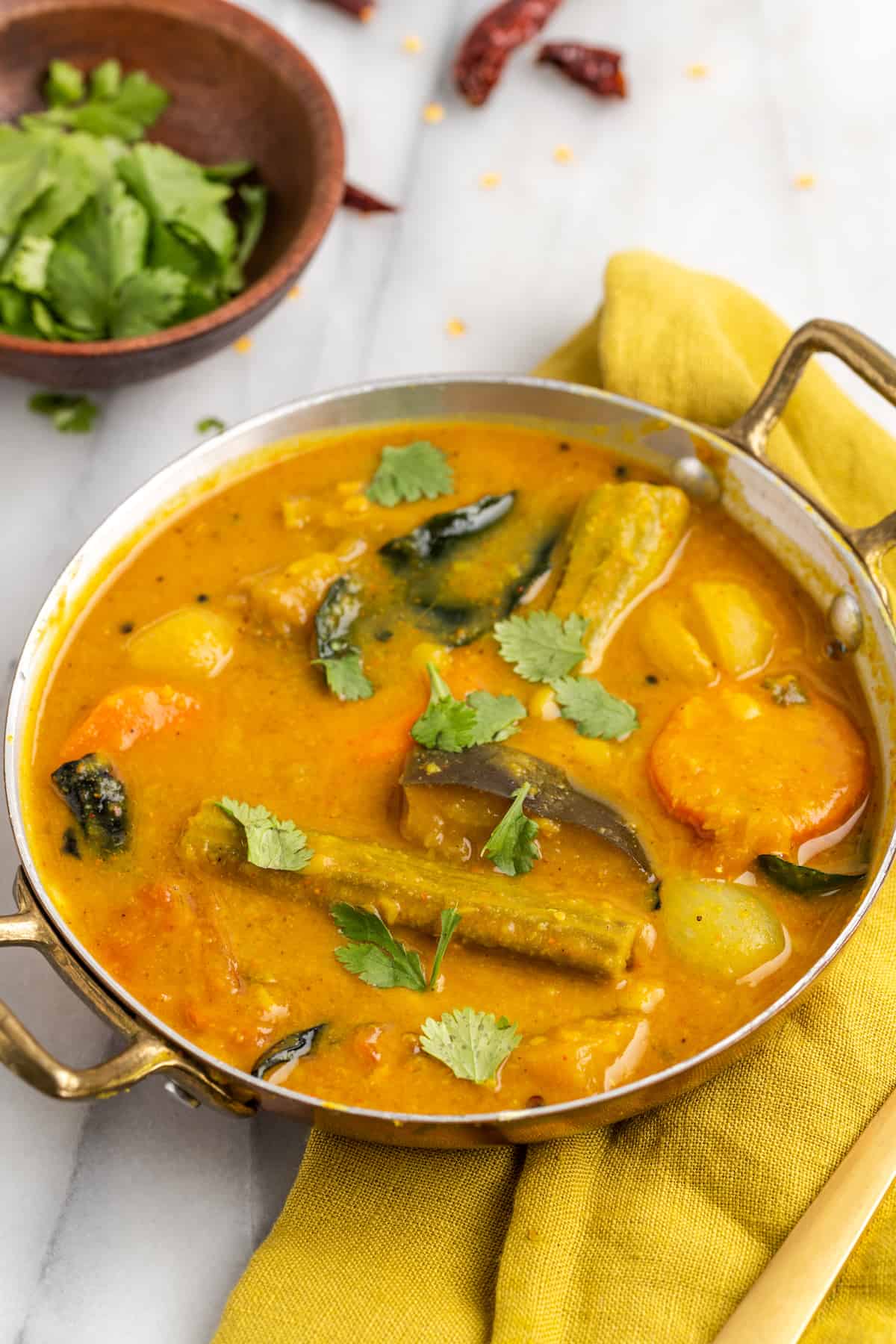
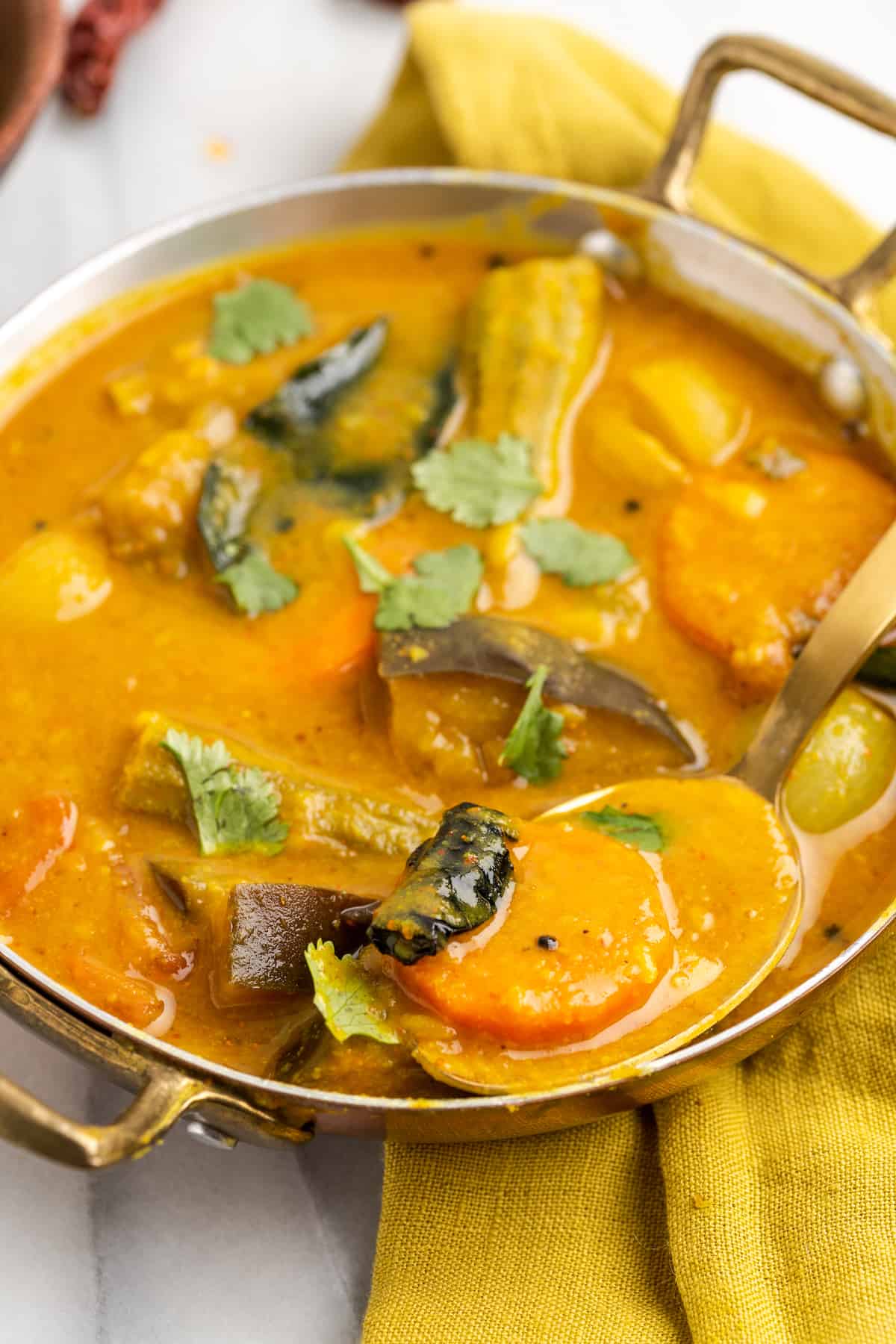
This vegan sambar recipe is just like the sambar you enjoy at your favourite Indian restaurant! Learn how to make this fragrant, spicy South Indian lentil and vegetable stew at home.
Indian cuisine—and especially South Indian cuisine—is always a treat when you’re a vegan. Isn’t it amazing to walk into a restaurant and know that instead of having to choose the single vegan item on the menu, you have dozens of mouth-watering options?! And everything is so flavourful, hearty, and satisfying. One of my favorite things to order is a crispy dosa with sambar.
What Is Sambar?
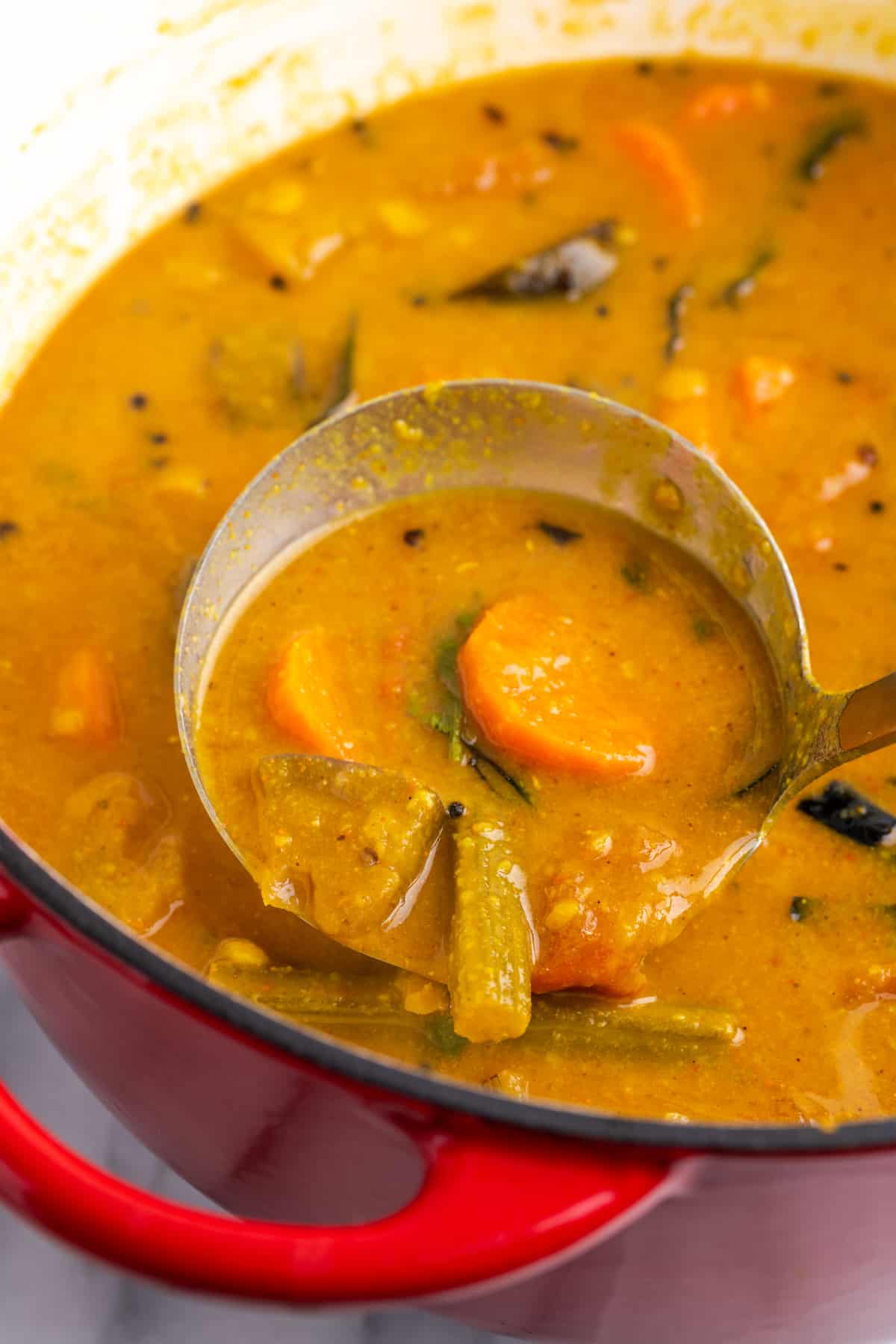
Sambar is a traditional South Indian stew made with lentils, vegetables, and a tangy tamarind broth. While the lentils and veggies are tasty, this is a dish that’s all about the seasoning—it’s absolutely packed with flavour thanks to the addition of turmeric, hing, spicy chilis, coriander, and curry leaves.
Sambar can be served with rice or as an accompaniment to other South Indian dishes like dosa or idli. While it’s often served as a side or as part of a larger meal in restaurants, this is a hearty, filling stew that can easily be a meal on its own.
This vegan sambar is an authentic Indian recipe—in fact, most versions of sambar are naturally vegan, although some do use ghee for the tempering. You’ll need to head to your local Indian grocer to pick up some of the ingredients, or you can order them online if you don’t live near a Desi grocery store.
Notes on Ingredients
Scroll down to the recipe card to find the ingredient quantities and recipe instructions.
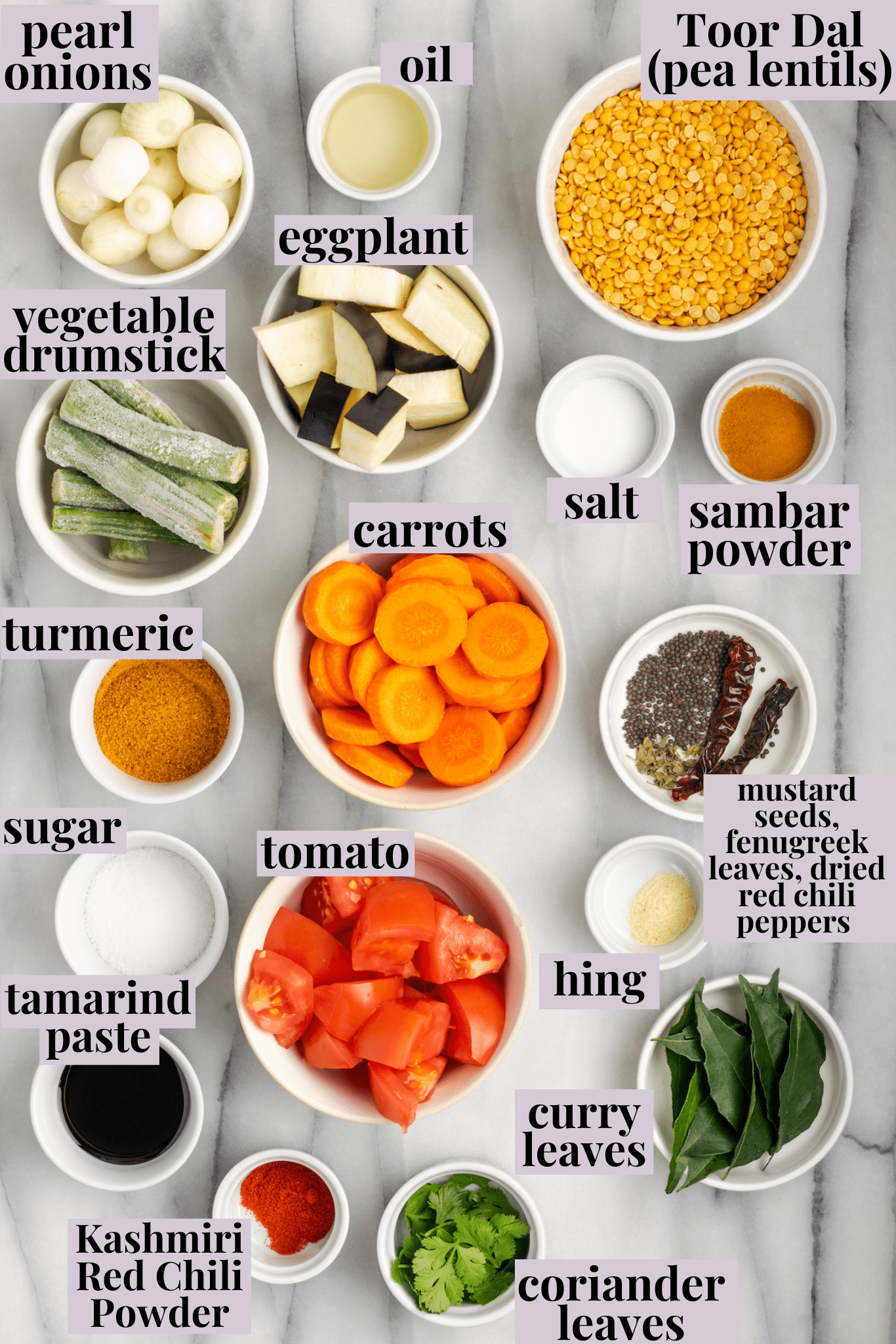
- Toor dal – Also known as pigeon peas.
- Turmeric
- Salt
- Water
- Oil – Use your preferred cooking oil here.
- Pearl onions – Fresh is best, but you can also use frozen pearl onions.
- Eggplant
- Carrots
- Vegetable drumstick s – No, this isn’t a substitute for chicken! In South Indian cuisine, “drumstick” refers to moringa. You can find them in the frozen section of Indian grocers, or you can omit them or substitute another vegetable like green beans.
- Tomato
- Kashmiri red chili powder – This will give your sambar a reddish colour and a mild heat.
- Sambar powder – Sambar powder is a fragrant blend of coriander, toor dal, chana dal, fenugreek, and mustard seeds.
- Tamarind paste – This gives sambar its signature tangy flavor. You can substitute a generous squeeze of lime juice, but it’s not quite the same.
- Sugar
- Fresh coriander leaves – Also known as cilantro!
- Mustard seeds
- Fenugreek leaves
- Dried red chili peppers – You can adjust the amount according to your taste preferences.
- Fresh curry leaves – You can substitute dried curry leaves if you can’t find fresh, but because dried curry leaves are less flavourful, you’ll need to use twice the amount.
- Hing
What Is Hing?
Hing (also known as asafoetida) is a spice made from a resin extracted from the roots of certain species of edible plants. It has a pungent aroma and flavor, and it’s used to add depth to dishes like sambar. Hing can be found in Indian groceries or online stores.
How to Make Sambar
Your kitchen will smell incredible with a big pot of sambar simmering away on the stovetop! Here’s what you’ll need to do to make it.
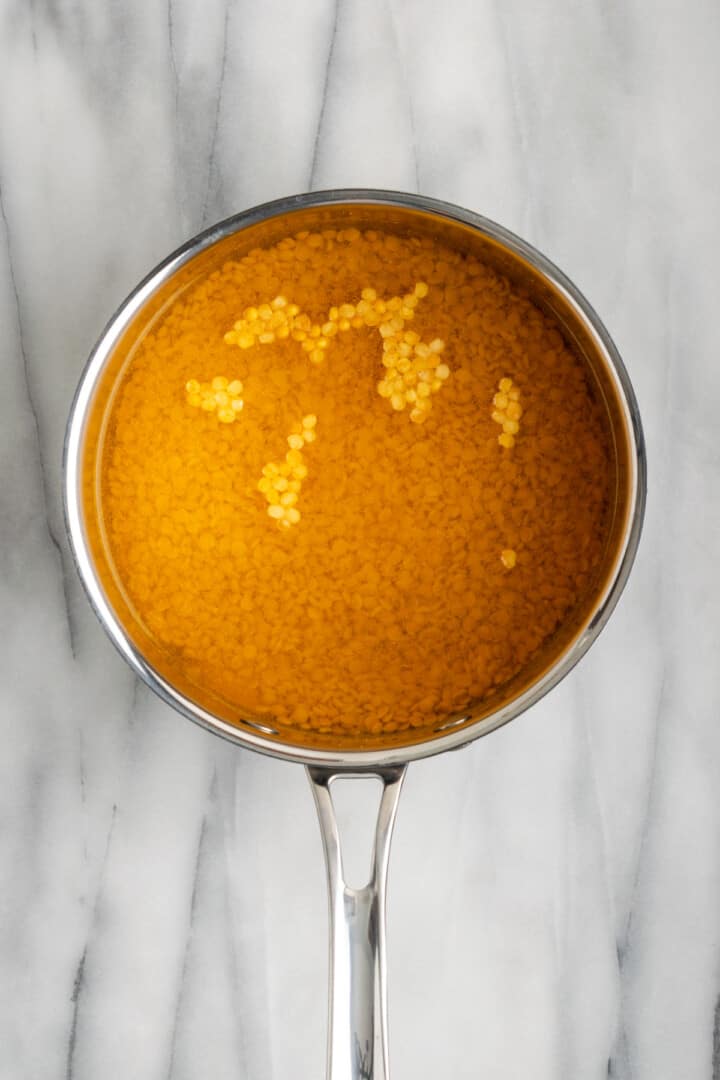
Make the dal. Bring the toor dal, 1/2 teaspoon of turmeric, 1 teaspoon of salt, and 3 cups of water to a simmer in a large pot. Cook for about 30 minutes, or until the lentils are mushy. Use an immersion blender to puree the lentils into a thick paste.
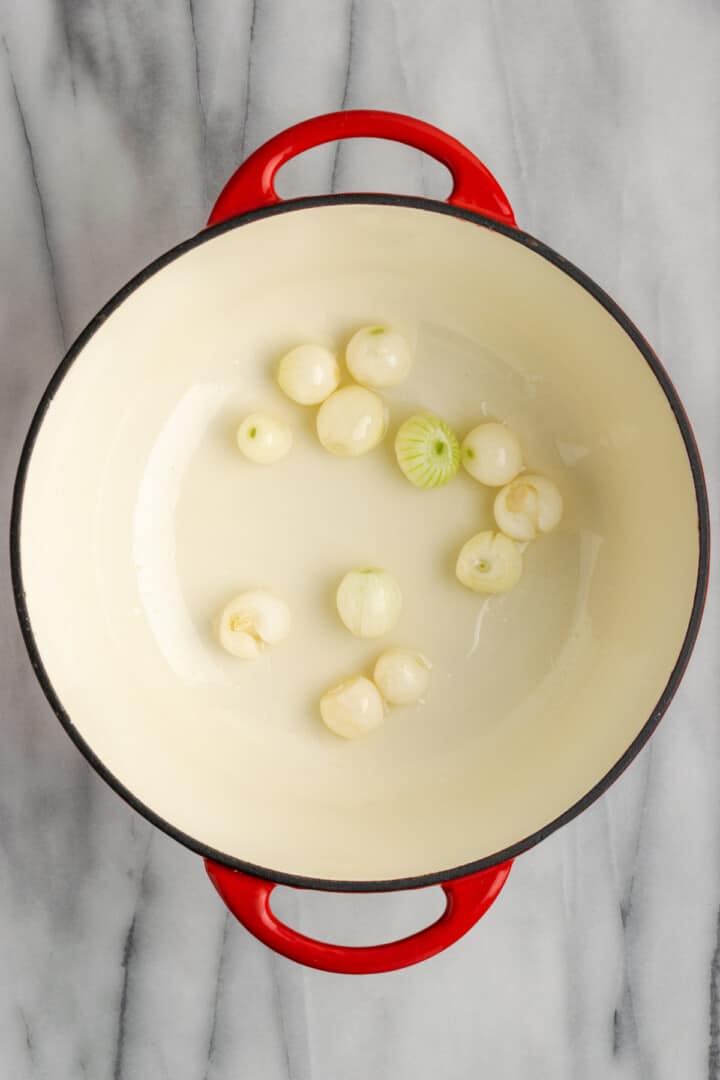
Cook the vegetables. While the lentils are simmering, add 2 teaspoons of oil to a saucepan, along with the pearl onions. Sauté for about 2 minutes, then add the remaining vegetables; cook for another 2 minutes, then stir in the red chili powder.
Simmer the veggies. Pour 3 cups of water into the pot with the vegetables and bring the mixture to a simmer over medium heat. Simmer for about 20 minutes, or until the vegetables are cooked through.
Season. Add 1/4 teaspoon of turmeric, the sambar powder ,and 3/4 teaspoon of salt to the vegetables. Cook for an additional 2 to 3 minutes, or until the vegetable drumsticks are softened. Add the tamarind paste and sugar.
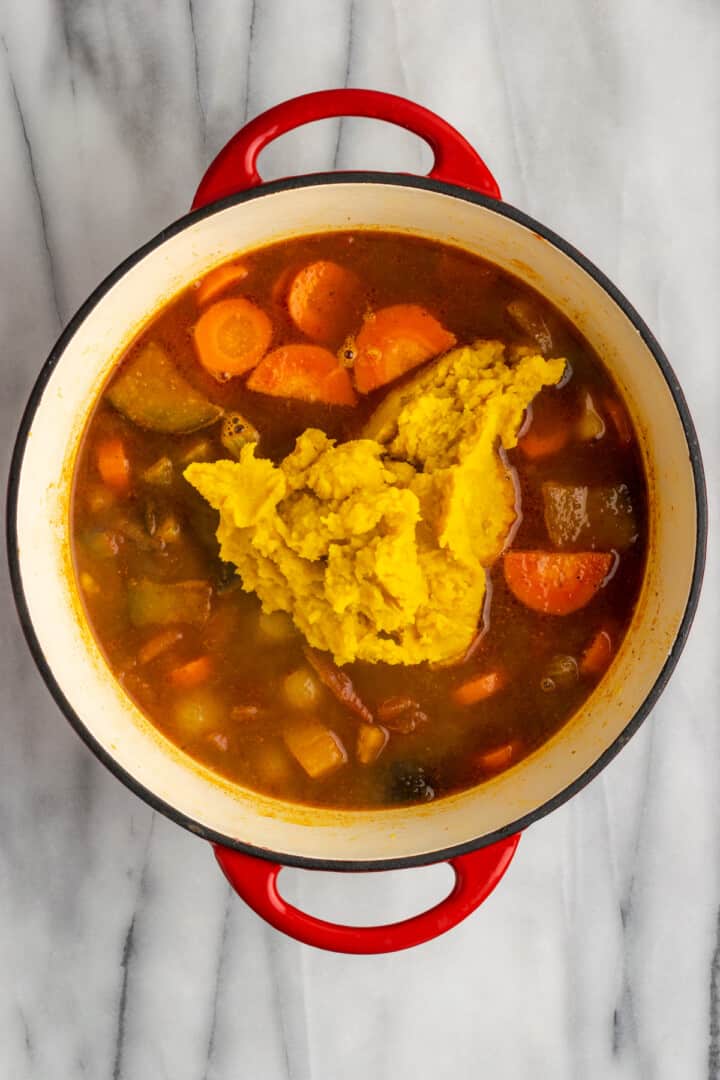
Add the lentils. Stir the mashed lentils into the vegetables and simmer over medium low heat until the sambar comes to a boil. Once the stew has a frothy layer on top, turn off the heat, stir in the coriander leaves, and cover.
Make the tempering. In a small pan, heat 1 tablespoon of oil over medium heat. Add the mustard seeds, fenugreek leaves, and dried chili peppers. Cook for about 5 minutes, or until the mustard seeds begin to pop. Add the curry leaves and cook until they’re crispy, then stir in the hing.
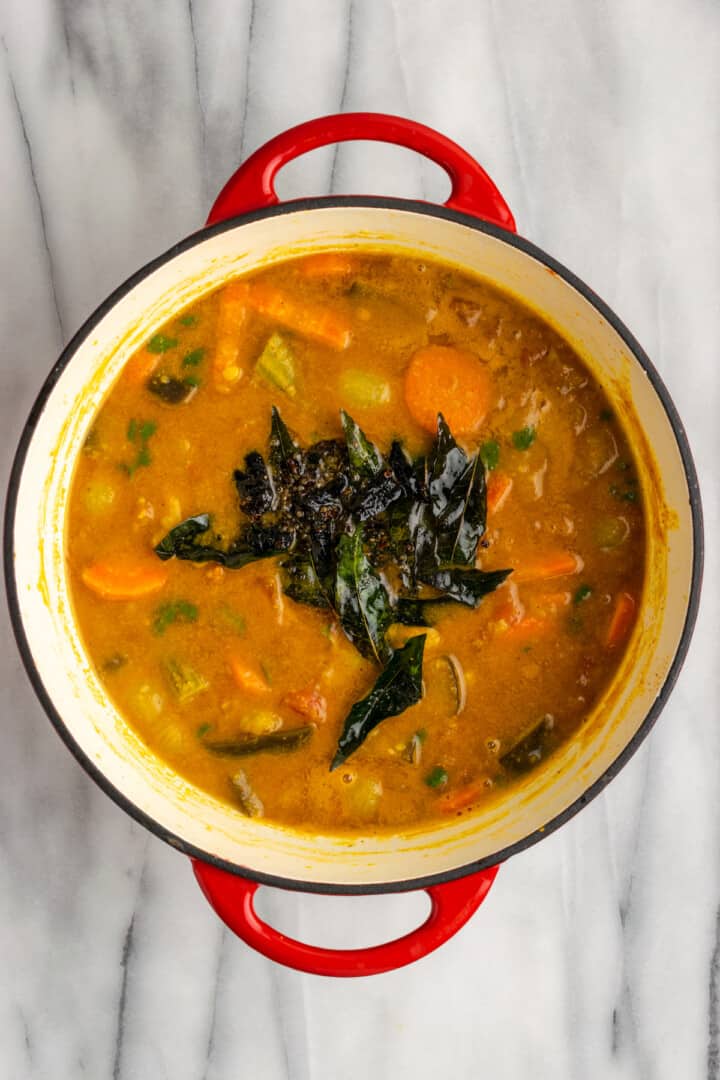
Finish. Stir the tempering into the sambar. Cover and let sit for about 5 minutes, then serve.
Tips for Success
Here are some tips for perfect sambar at home.
- Mash the lentils well. If you don’t have an immersion blender , you can use a wooden spoon to mash the lentils. They should have a little bit of texture to them, but you want them to be mostly smashed because this will thicken the sambar.
- Adjust the heat level as needed. Sambar falls somewhere in the middle of the heat scale when it comes to South Indian food, but you can always adjust by adding more or less chili powder and dried chilies.
- Try to use as many of the ingredients as possible. If you don’t live near an Indian grocer, you might have trouble finding all the ingredients, and it’s fine if you have to skip one or two, but if you’re leaving out almost all the spices, you won’t be making sambar! You’ll have a delicious vegetable stew, but it won’t have that same authentic flavour.
Serving Suggestions
Serve this sambar with steamed basmati rice, a side of vegan naan (or vegan garlic naan !), and other Indian favourites like chickpea tikka masala , vegan butter chicken , and samosas. Or just eat it on its own—sambar makes a great meal prep lunch!
How to Store Leftovers
Leftover sambar can be stored in an airtight container in the refrigerator for up to 3 days. Reheat it in a saucepan set over low heat or in the microwave until heated through.
Can This Recipe Be Frozen?
Yes, you can freeze sambar. To freeze, place the cooled sambar in an airtight, freezer-safe container and it will keep for up to 3 months. Thaw in the refrigerator before reheating according to the instructions above.
More Vegan Lentil Recipes
- One-Pot Red Lentil Curry
- Walnut Lentil Bolognese
- Roasted Red Pepper Lentil Pasta
- Lentil Balls with Zesty Rice (Vegan Meal Prep)
Ingredients
- 1 Cup Toor Dal (Pea Lentils) , 210 grams
- ¾ teaspoon Turmeric , divided
- 1 ¾ teaspoon Salt , divided
- 6 Cups Water , divided 1419 ml
- 5 teaspoons Oil , divided
- 12 Pearl Onions with peels removed , 80 grams
- ½ Eggplant , 70 grams
- 1 Cup Carrots , cut into 1⁄4” thick coins 80 grams
- 8 3-inch pieces Vegetable Drumstick , 80 grams
- 1 1 Tomato, cut into large chunks , 197 grams
- ½ teaspoon Kashmiri Red Chili Powder
- 2 Tablespoons Sambar Powder , 12 grams
- 1 Tablespoon Tamarind Paste
- 1 Tablespoon Sugar , 12 grams
- 1 Tablespoon Fresh Coriander Leaves , 1 gram
- ¾ teaspoon Mustard Seeds
- Pinch Fenugreek Leaves
- 1-2 Dried Red Chili Peppers , broken into pieces
- 10-12 Fresh Curry Leaves
- ¼ teaspoon Hing
Instructions
For the dal
- Combine toor dal, 1⁄2 teaspoon turmeric, 1 teaspoon salt and 3 cups water in a pot and bring to a simmer. Cook until the lentils are mushy, about 30 minutes. Use an immersion blender to puree the lentils to a thick paste and set aside. If you don’t have a blender, you can mash them with a wooden spoon.
For the vegetables
- Once the lentils start to simmer, begin cooking the vegetables in a second pot. Add 2 teaspoons of oil to a saucepan along with the pearl onions. Saute for about 2 minutes, then add the remaining vegetables.
- Saute the vegetables for another 2 minutes, then add red chili powder. Stir together.
- Pour 3 Cups of water into the vegetables. Bring to a simmer over medium heat and cook until vegetables are just cooked, about 20 minutes.
- Add 1⁄4 teaspoon turmeric, sambar powder and 3⁄4 teaspoon salt to the cooking vegetables. Cook for an additional 2-3 minutes until the vegetable drumsticks are softened.
- Add the tamarind paste and sugar to the vegetables.
- Then add the mashed lentils to the vegetables and stir together. Simmer on medium low until it comes to a boil. Once the sambar has a frothy layer on top, turn off the heat.
- Stir in the coriander leaves. Cover and set aside.
For the tempering
- In a small pan, heat 1 tablespoon of oil over medium heat. Add the mustard seeds, fenugreek leaves and dried chili peppers. Cook until the mustard seeds start to pop, about 5 minutes.
- Add curry leaves and continue cooking. Once the curry leaves are crispy, stir in the hing.
- Pour the tempering into the hot sambar and stir in. Cover and let it sit for about 5 minutes to impart the flavor of the tempering to the soup.
