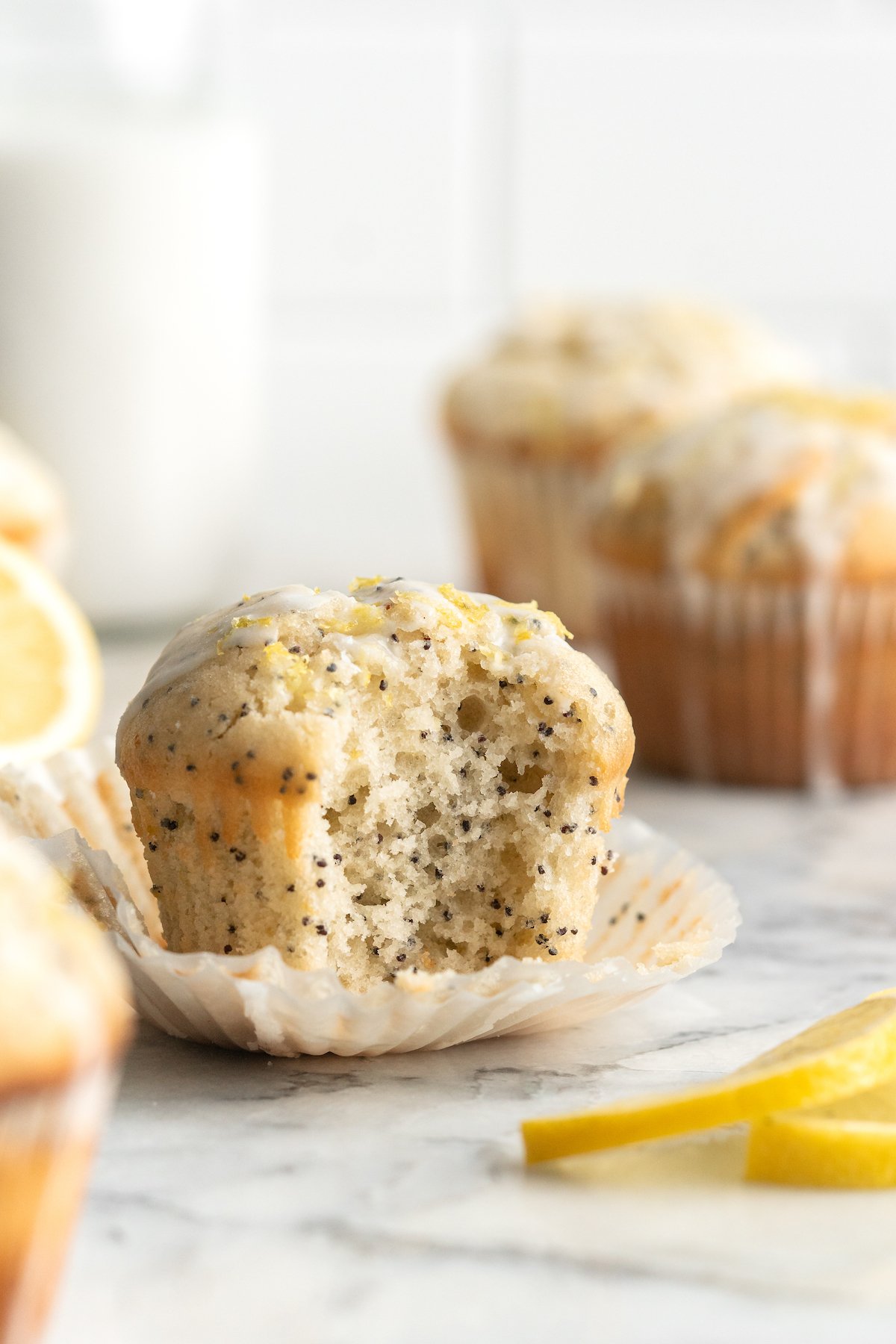
These vegan lemon poppyseed muffins are moist, fluffy, and full of bright citrus flavour. A drizzle of lemony glaze is the perfect finishing touch!
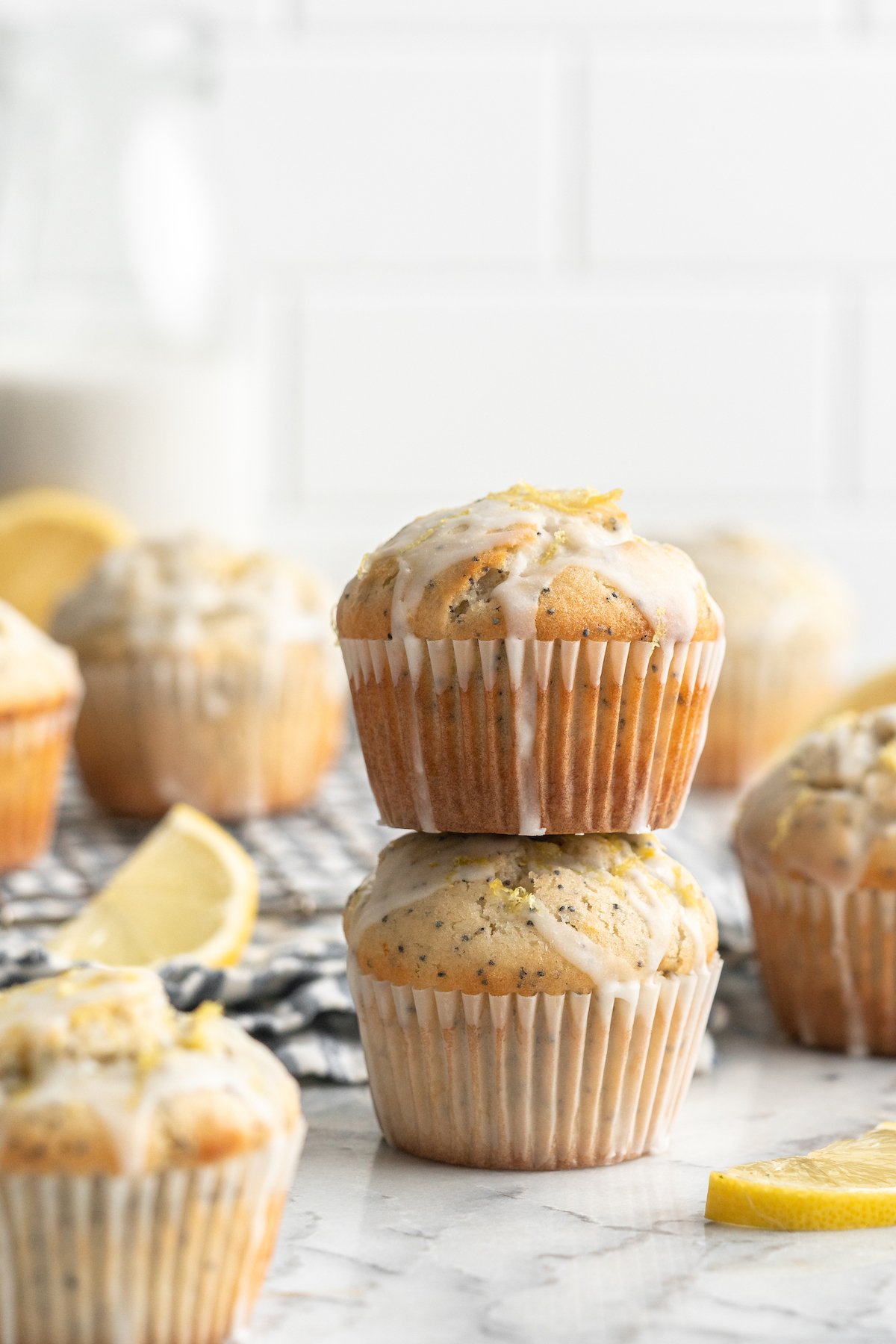
Lemon poppyseed muffins are a classic . While I love my vegan blueberry muffins and apple streusel muffins , when I’m in the mood for a breakfast treat that tastes like literal sunshine, I know it’s time for me to break out this vegan lemon poppyseed muffin recipe.
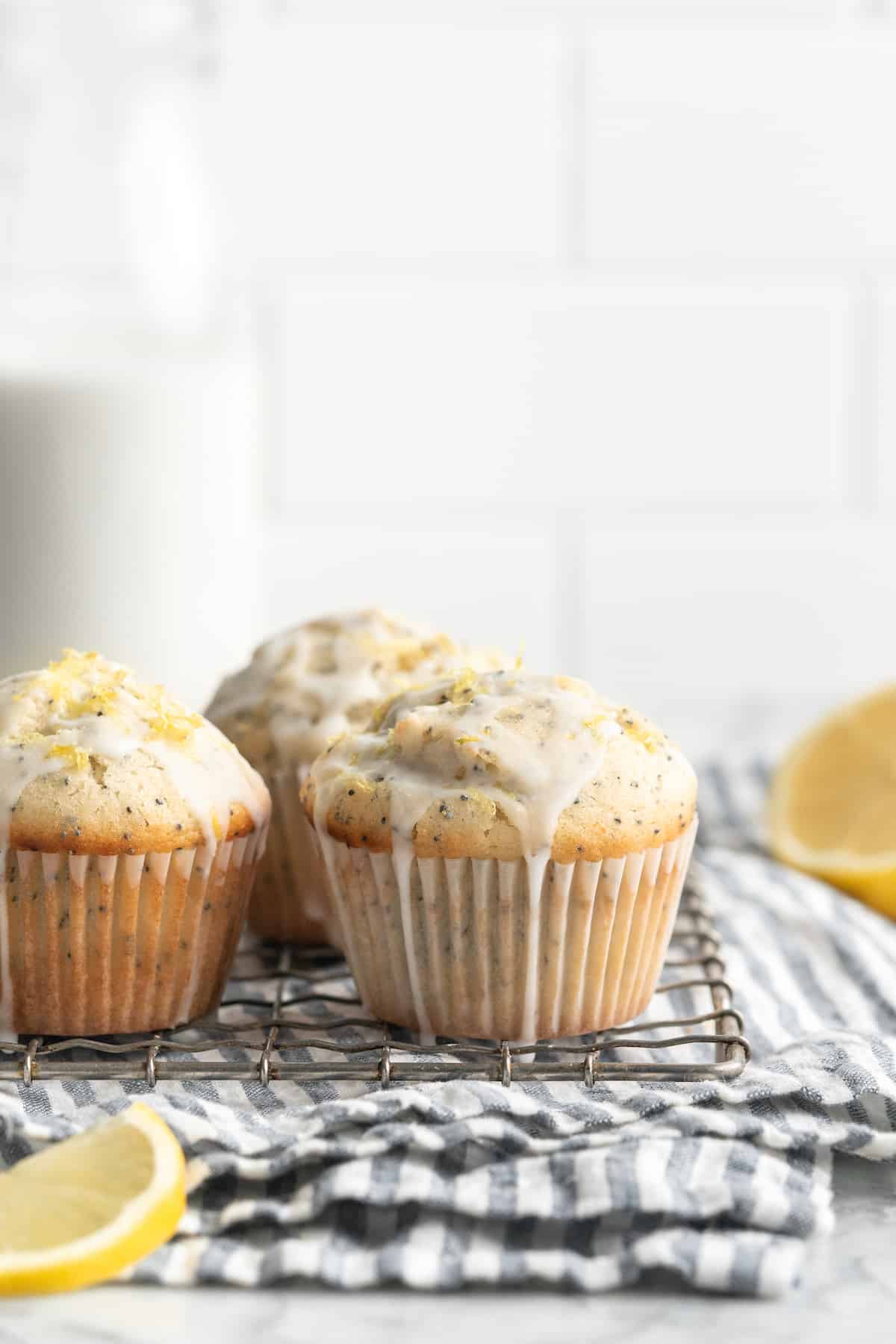
These muffins are incredibly fluffy on the inside, bursting with lemon flavour, and the perfect size for a quick breakfast or an afternoon treat with tea. And the citrusy glaze on top? Well, that just takes them to the next level!
You may notice that I baked these lemon poppyseed muffins at 425ºF and then lower the oven temperature to 350º. This is a little trick I learned back when I had my professional baking business. Doing this domes the muffins much more, giving you a taller, bakery-style muffin. This trick is especially useful with vegan muffins, which tend to have a little less natural lift because they’re made without eggs.
Make a batch of these vegan lemon poppyseed muffins and serve them with a homemade vegan quiche for a brunch party, or just eat them as-is for a breakfast on-the-go!
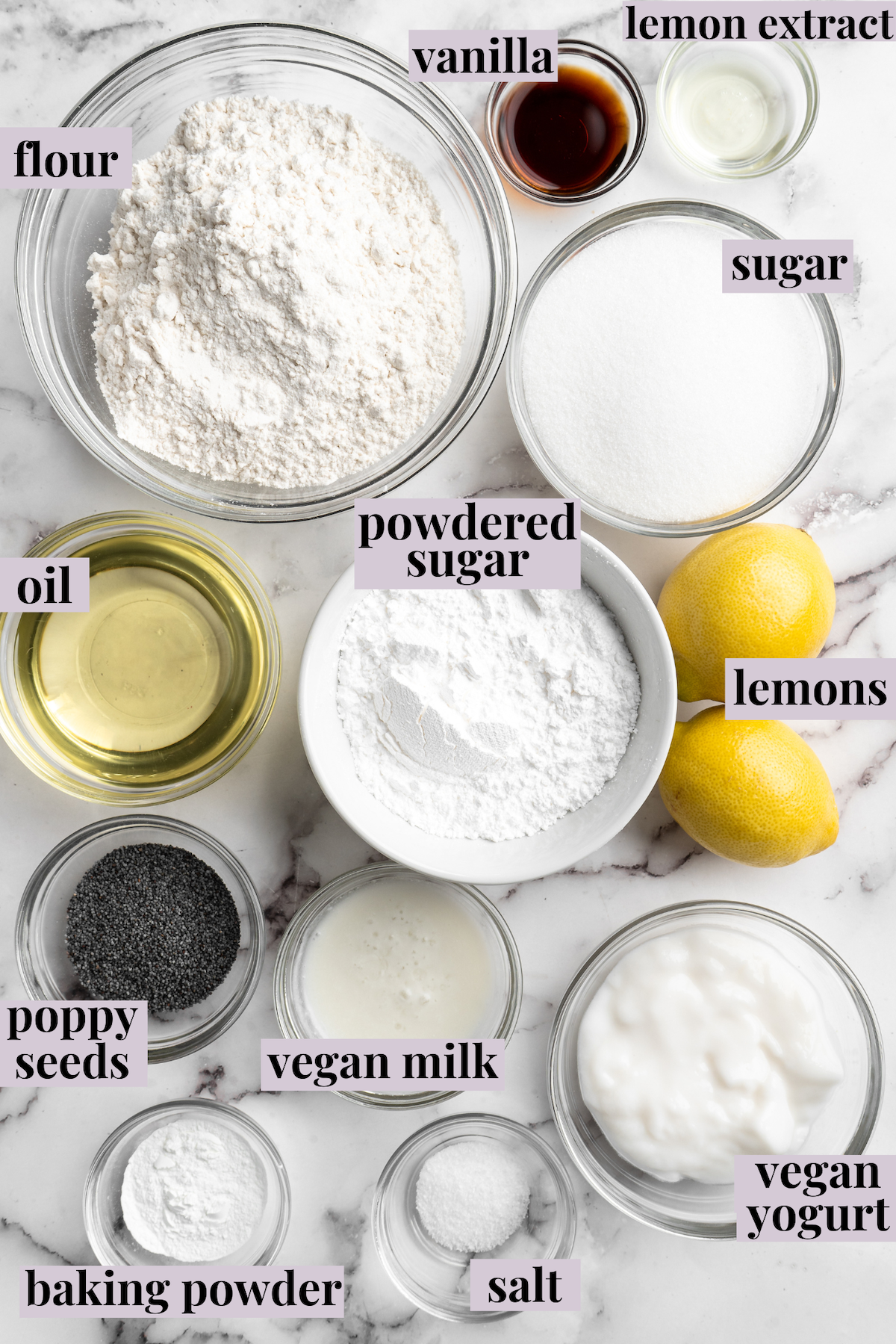
Notes on Ingredients
Scroll down to the recipe card to find the ingredient quantities and recipe instructions.
For the Vegan Lemon Poppyseed Muffins:
- Cane sugar – Or any granulated sugar.
- Oil – Use any oil you like or have on hand for baking. If you use coconut oil, it should be melted, then measured.
- Lemon extract – This allows you to pack in a lot of lemon flavour without watering down the batter with lemon juice.
- Vanilla extract or paste
- Lemon zest
- Vegan yogurt – Use plain, unsweetened yogurt—not Greek-style.
- Lemon juice
- All-purpose flour – Or use a measure-for-measure gluten-free flour substitute to make these vegan lemon poppyseed muffins gluten-free too.
- Baking powder
- Sea salt
- Poppyseeds
For the Glaze:
- Powdered sugar – Also known as confectioner’s sugar.
- Vegan milk – Any variety you like or have on hand.
- Lemon juice
- Lemon zest
How Do I Zest a Lemon If I Don’t Have a Zester?
If you don’t have a lemon zester or microplane grater, simply use a paring knife to cut a strip of zest from the lemon, being careful to avoid the white pith underneath. Then, use the knife to mince the zest until it’s very small.
How to Make Vegan Lemon Poppyseed Muffins
Making vegan muffins is no different—and no harder!—than making regular muffins. In fact, I’d say that with no eggs to crack, it’s even easier!
Prepare. Preheat your oven to 425°F and fill a muffin pan with liners or coat each cup with non-stick flour spray or vegan butter, then dust with flour and tap out the excess.
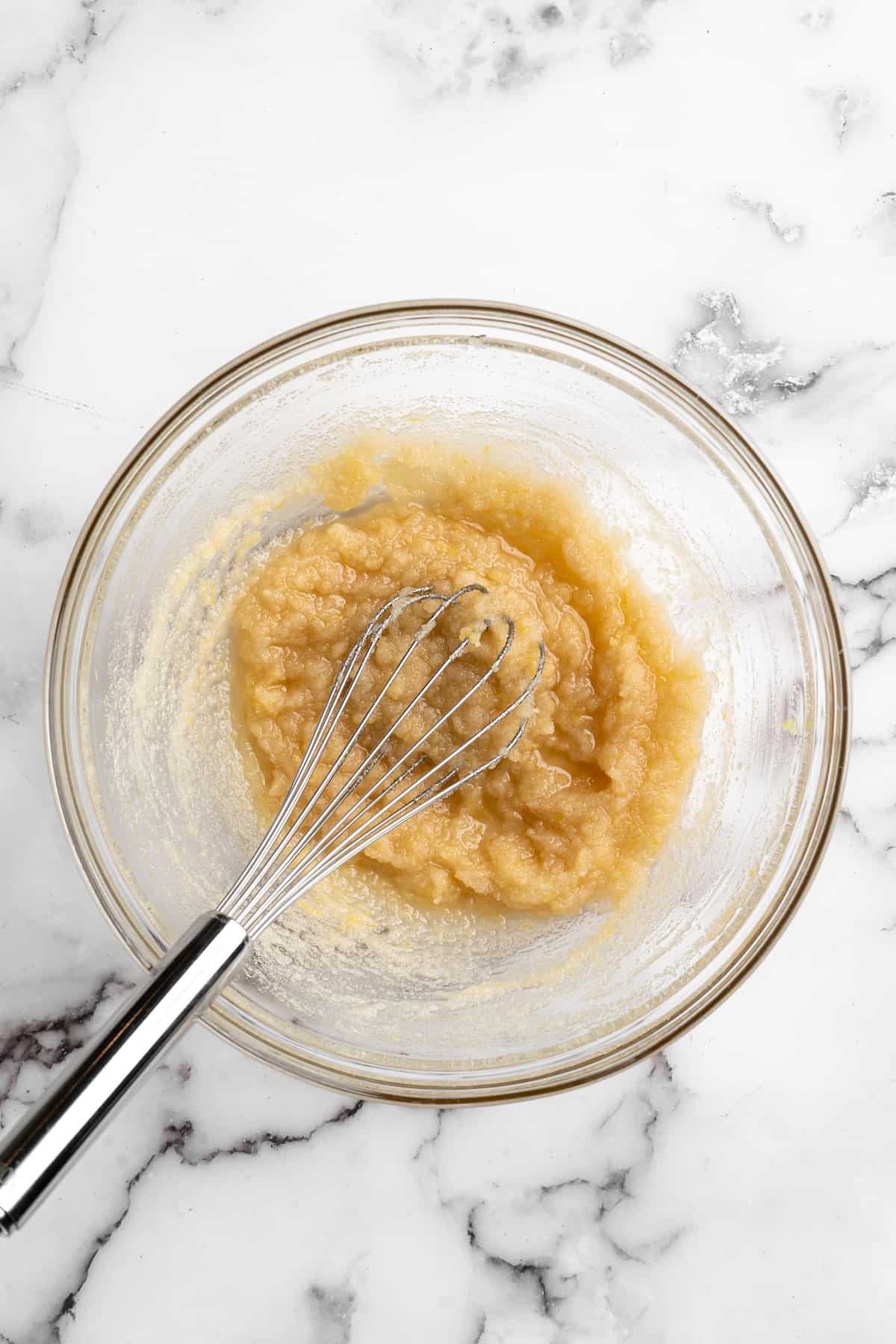
Mix the wet ingredients. In a large mixing bowl or the bowl of a stand mixer, combine the sugar, oil, lemon extract, vanilla extract, and lemon zest. Mix together with the whisk attachment for about 3 minutes on low speed, or whisk by hand until incorporated. Whisk in the vegan yogurt and lemon juice, scraping down the sides.
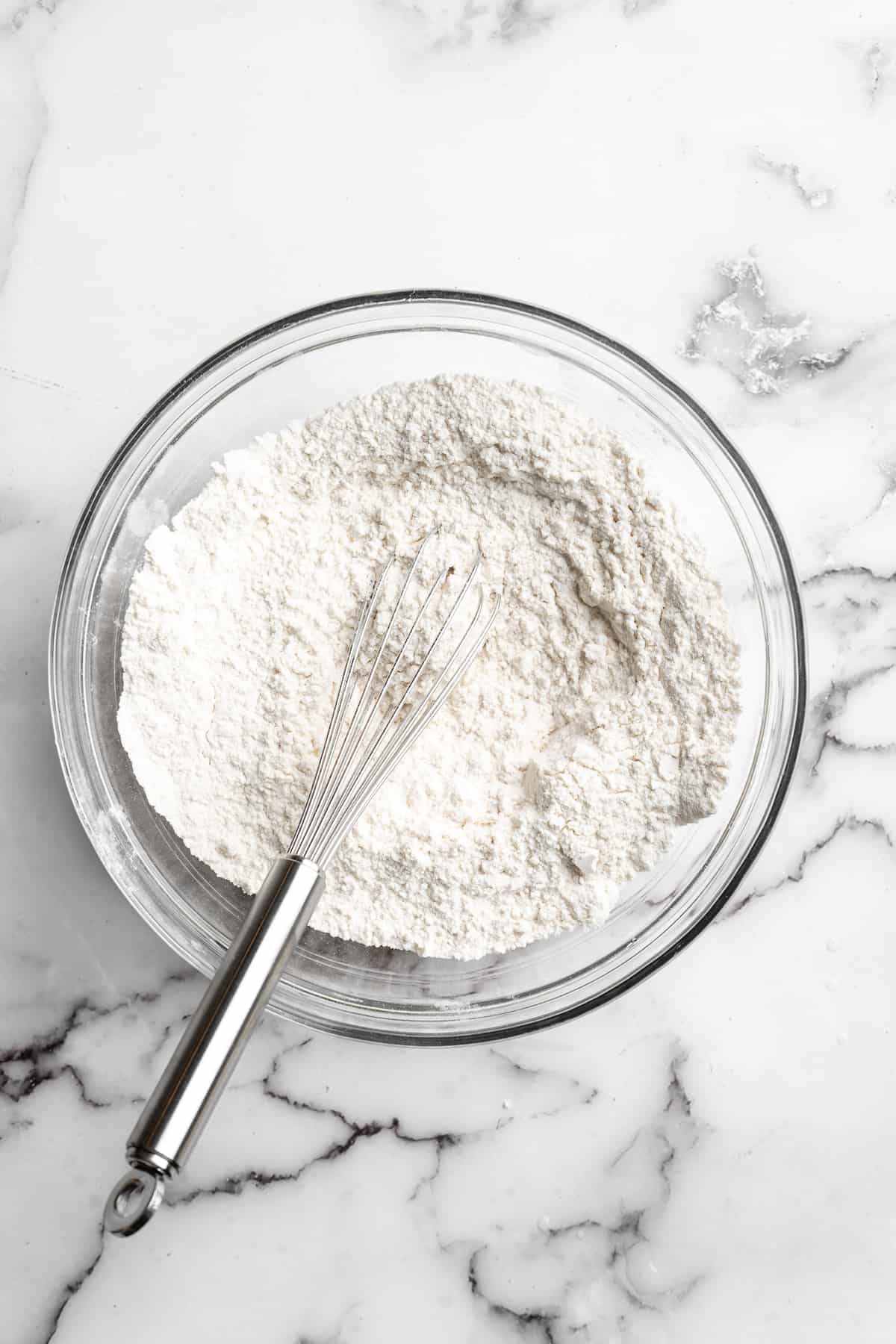
Add the dry ingredients. In a small bowl, whisk the flour, baking powder, and salt. Pour the dry ingredients into the wet ingredients and mix for about a minute on low speed, or until just incorporated. Scrape down the sides again, then fold in the poppyseeds.
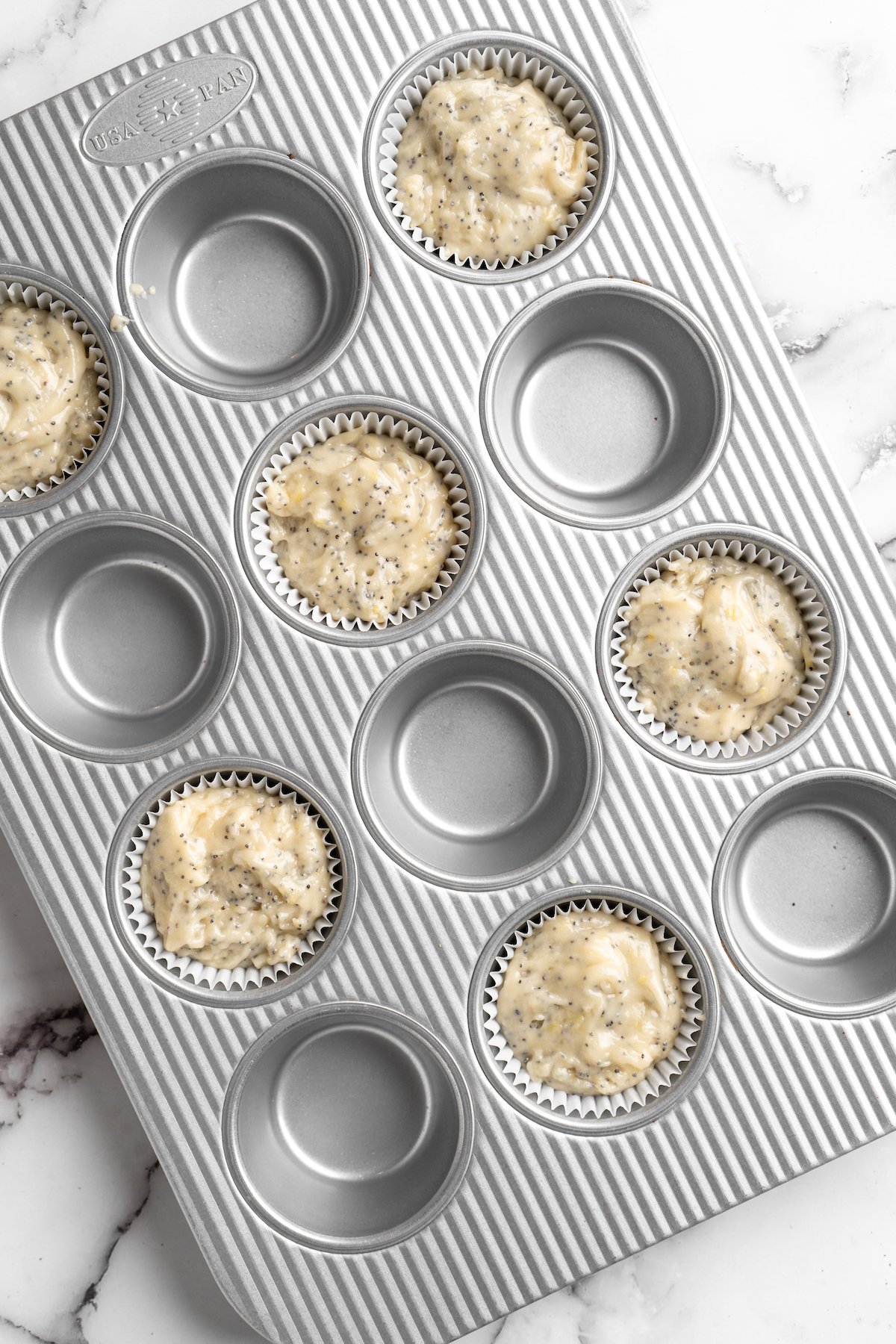
Fill the muffin pan. Place 1/4 cup of batter into each muffin cup, to fill 11 muffin cups for slightly larger muffins. Fill the empty cup with water.
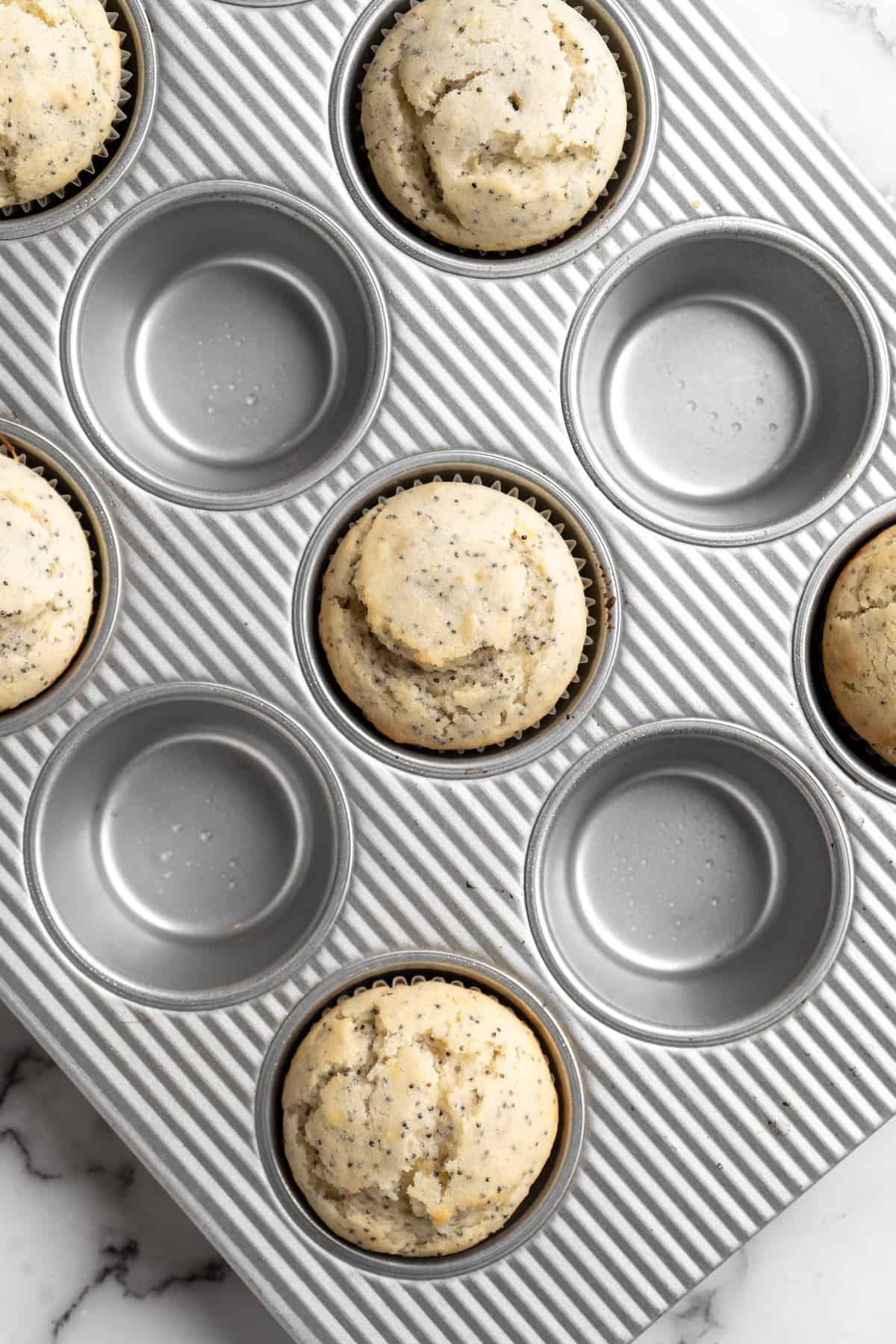
Bake. Place the pan in the oven and bake for 8 minutes at 425°F, then reduce the temperature to 375°F degrees. Bake for another 13 minutes, or until a toothpick inserted into a muffin comes out clean.
Cool. Remove the pan from the oven and let the muffins cool in the pan for about 5 minutes. Then, transfer the muffins to a cooling rack to finish cooling.
Make the glaze. Whisk together all of the glaze ingredients in a small bowl.

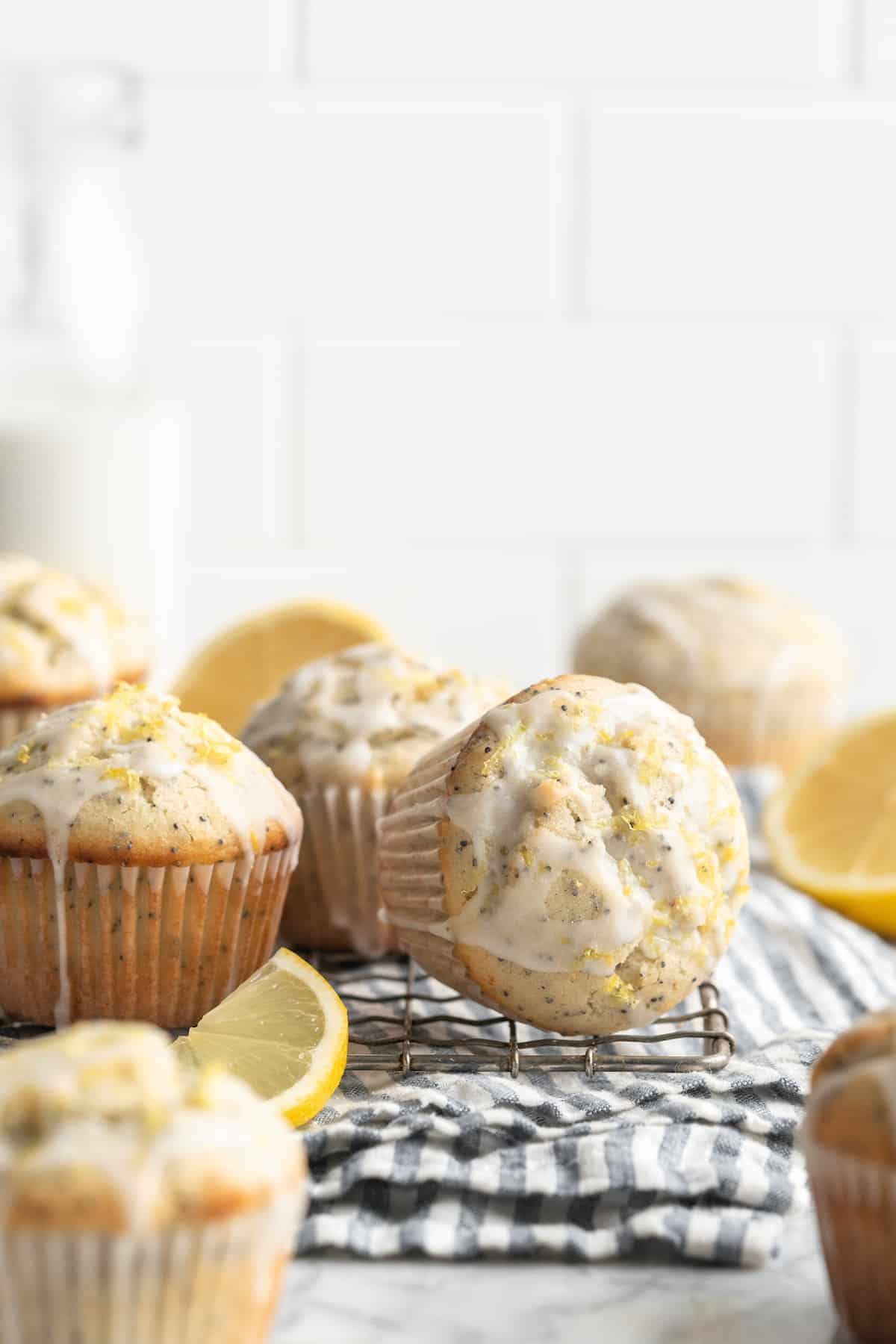
Finish. Pour the glaze over the cooled muffins, or dip the muffins in the glaze. Sprinkle some extra lemon zest on top of each muffin for garnish. Let the glaze set for 5 minutes, then serve.
Tips for Success
Here are some simple tips to help you make the best vegan lemon poppyseed muffins!
- Don’t over-mix the batter. Just like with a traditional muffin recipe, you want to mix just until all of the ingredients are incorporated. Over-mixing will toughen the gluten strands in the flour, resulting in flat muffins that don’t have an airy, light texture.
- Keep those domes high! Turn the muffins on their sides while they’re cooling to help prevent the domes from collapsing.
- Be patient. If you glaze the muffins too soon, the glaze will simply absorb into the tops of the warm muffins. You want them to be completely cool before adding the glaze.
Variations
Omit the poppyseeds if they’re not your thing, or try skipping the glaze and sprinkling the tops of the muffins with crunchy Demerara sugar before baking. You can also fold fresh blueberries, strawberries, or raspberries into the batter to make fruity vegan lemon poppyseed muffins.
How to Store
The best way to store vegan lemon poppyseed muffins is in an airtight container at room temperature. They will stay fresh for 3 to 4 days.
Can This Recipe Be Frozen?
Yes, you can freeze vegan lemon poppyseed muffins for up to 3 months. Let the muffins cool completely before wrapping them tightly in plastic wrap and freezing them in an airtight freezer bag or container. When ready to serve, thaw at room temperature.
More Easy Muffin Recipes
- Double Chocolate Banana Muffins
- Vegan Zucchini Muffins
- Vegan Pumpkin Muffins (Moist & Fluffy)
- Carrot Cake Muffins (Vegan & Gluten Free)
Ingredients
For the muffins:
- 1 cup cane sugar , (200g) or any granulated sugar
- ½ cup oil , (100g, if using coconut oil ensure it’s melted)
- 1 teaspoon lemon extract
- 1 teaspoon vanilla extract , or paste
- 2 teaspoons lemon zest , (from two lemons)
- 1 cup vegan yogurt , (plain and unsweetened)
- ⅓ cup lemon juice , (from two lemons)
- 2 cups all-purpose flour , (240g, sifted)
- 2 teaspoons baking powder
- ¾ teaspoon sea salt
- 2 tablespoons poppy seeds
For the lemon glaze:
- 1 cup powdered sugar
- 1 tablespoon vegan milk
- 1 tablespoon lemon juice
- Extra lemon zest on top for garnish
Instructions
- Preheat your oven to 425°F/220°C. Fill a muffin pan with liners, or coat each muffin hole with non-stick flour spray, or rub vegan butter and dust with flour and tap out the excess.
- In a large mixing bowl or bowl of a stand mixer, add the sugar, oil, lemon extract, vanilla extract and lemon zest. Mix together with a whisk for about 3 minutes on low speed or via hand until all fully incorporated.
- Add in the vegan yogurt and the lemon juice and whisk for 30 seconds until fully incorporated. Scrape down the sides.
- In a small bowl, mix the flour, baking powder and sea salt. Add to the wet ingredients and mix for about a minute on low speed until just incorporated. Scrape down the sides again.
- Add the poppy seeds and mix one last time to distribute them throughout the batter.
- Using a 1/4 cup measuring cup, pour the batter into each of muffin hole, to fill 11 muffin holes for slightly larger muffins. Fill the empty hole with water.
- Bake for 8 minutes at 425°F/220°C, then reduce the temperature to 375°F/190°C degrees (don’t open the oven!) and bake for another 13 minutes until a toothpick inserted into a muffin comes out clean. Remove from the oven and let it cool in the pan for about 5 minutes. Remove (I just use the same toothpick or a knife) and place on a wire rack to cool completely. Turn the muffins on their sides like cooling to help prevent the domes from collapsing.
- Place all of the glaze ingredients in a small bowl; whisk until the mixture is smooth, with no lumps of sugar.
- Pour glaze over the cooled muffins, or dip in and swirl the entire top in and sprinkle some extra lemon zest on top for garnish.
- Allow to set (about 5 minutes) and enjoy!
Notes

Vegan Lemon Poppyseed Muffins
Ingredients
For the muffins:
- 1 cup cane sugar (200g) or any granulated sugar
- ½ cup oil (100g, if using coconut oil ensure it’s melted)
- 1 teaspoon lemon extract
- 1 teaspoon vanilla extract or paste
- 2 teaspoons lemon zest (from two lemons)
- 1 cup vegan yogurt (plain and unsweetened)
- ⅓ cup lemon juice (from two lemons)
- 2 cups all-purpose flour (240g, sifted)
- 2 teaspoons baking powder
- ¾ teaspoon sea salt
- 2 tablespoons poppy seeds
For the lemon glaze:
- 1 cup powdered sugar
- 1 tablespoon vegan milk
- 1 tablespoon lemon juice
- Extra lemon zest on top for garnish
Instructions
- Preheat your oven to 425°F/220°C. Fill a muffin pan with liners, or coat each muffin hole with non-stick flour spray, or rub vegan butter and dust with flour and tap out the excess.
- In a large mixing bowl or bowl of a stand mixer, add the sugar, oil, lemon extract, vanilla extract and lemon zest. Mix together with a whisk for about 3 minutes on low speed or via hand until all fully incorporated.
- Add in the vegan yogurt and the lemon juice and whisk for 30 seconds until fully incorporated. Scrape down the sides.
- In a small bowl, mix the flour, baking powder and sea salt. Add to the wet ingredients and mix for about a minute on low speed until just incorporated. Scrape down the sides again.
- Add the poppy seeds and mix one last time to distribute them throughout the batter.
- Using a 1/4 cup measuring cup, pour the batter into each of muffin hole, to fill 11 muffin holes for slightly larger muffins. Fill the empty hole with water.
- Bake for 8 minutes at 425°F/220°C, then reduce the temperature to 375°F/190°C degrees (don’t open the oven!) and bake for another 13 minutes until a toothpick inserted into a muffin comes out clean. Remove from the oven and let it cool in the pan for about 5 minutes. Remove (I just use the same toothpick or a knife) and place on a wire rack to cool completely. Turn the muffins on their sides like cooling to help prevent the domes from collapsing.
- Place all of the glaze ingredients in a small bowl; whisk until the mixture is smooth, with no lumps of sugar.
- Pour glaze over the cooled muffins, or dip in and swirl the entire top in and sprinkle some extra lemon zest on top for garnish.
- Allow to set (about 5 minutes) and enjoy!
Notes
Nutrition
Vegan Lemon Poppyseed Muffins https://jessicainthekitchen.com/lemon-poppyseed-muffins-vegan-gluten-free/ March 6, 2023
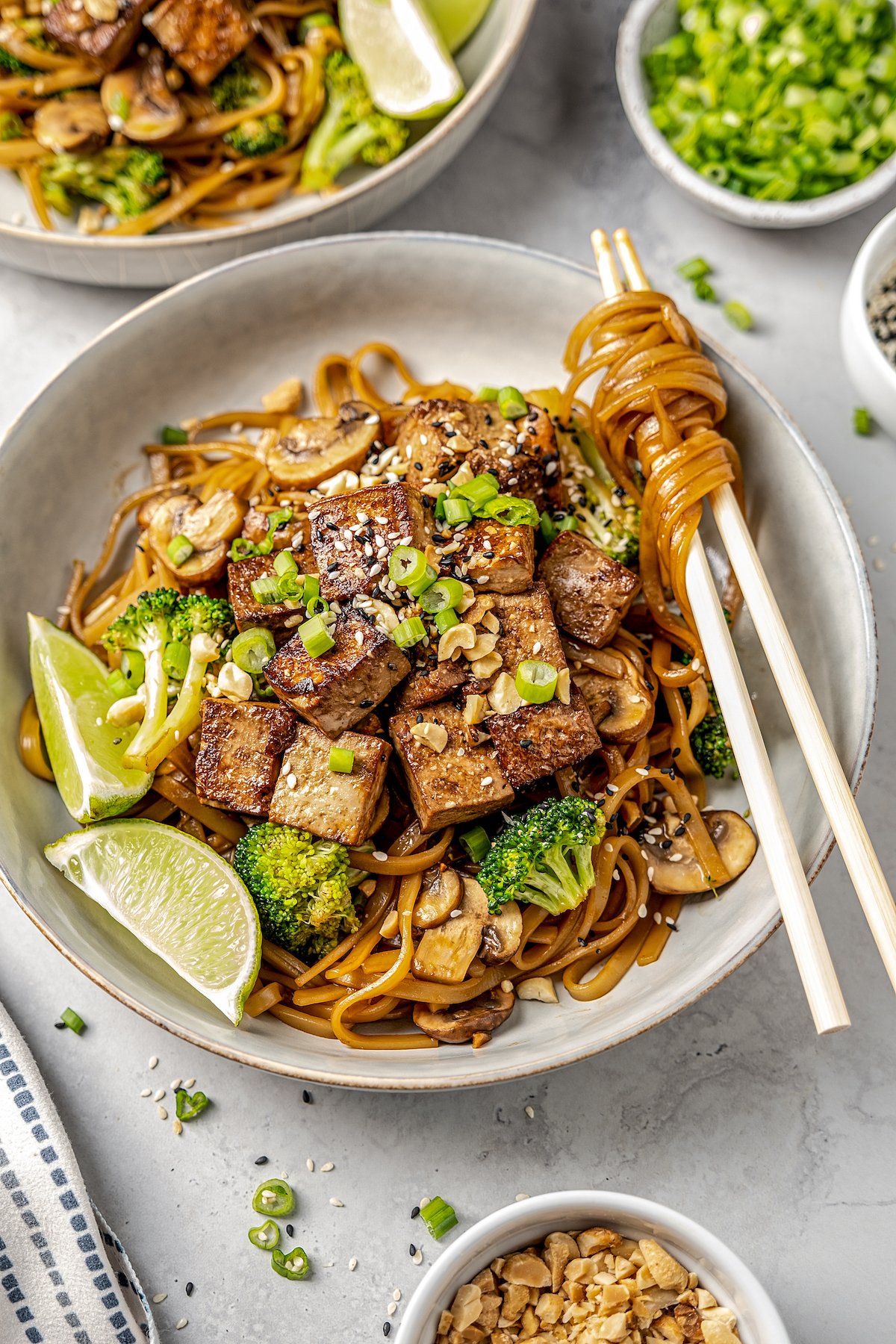
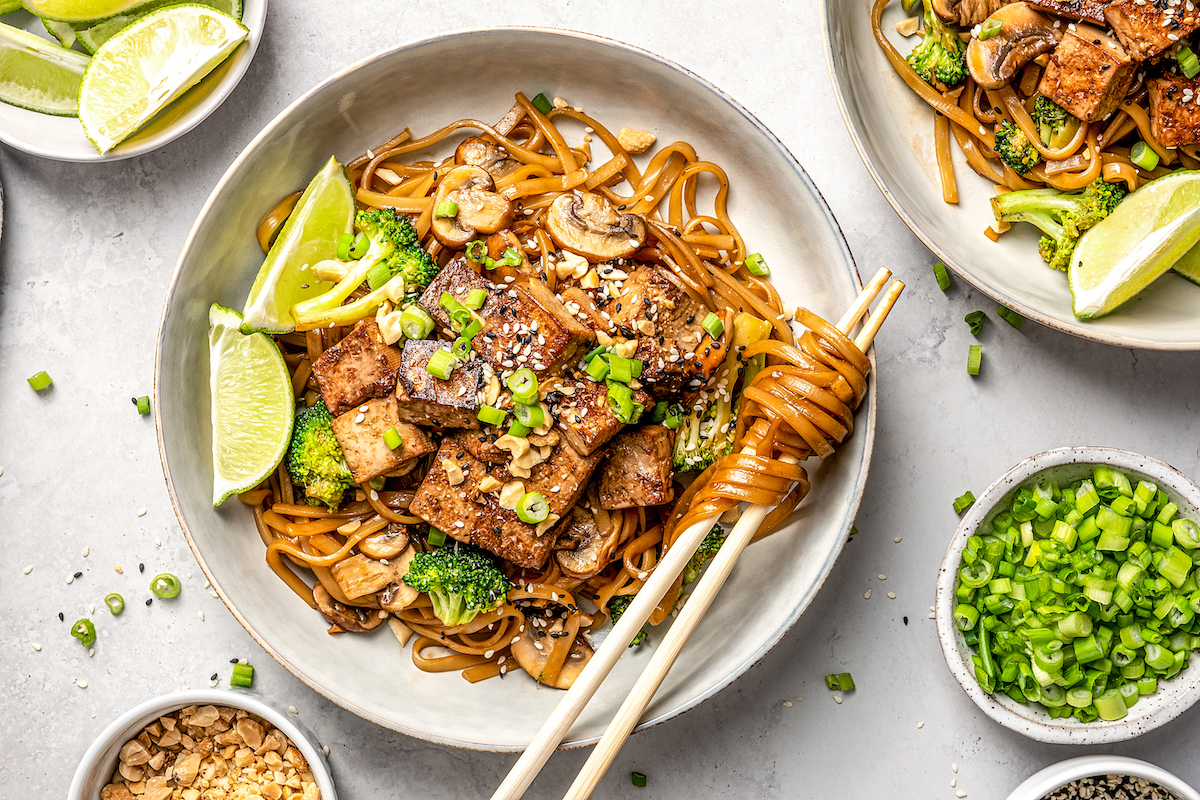
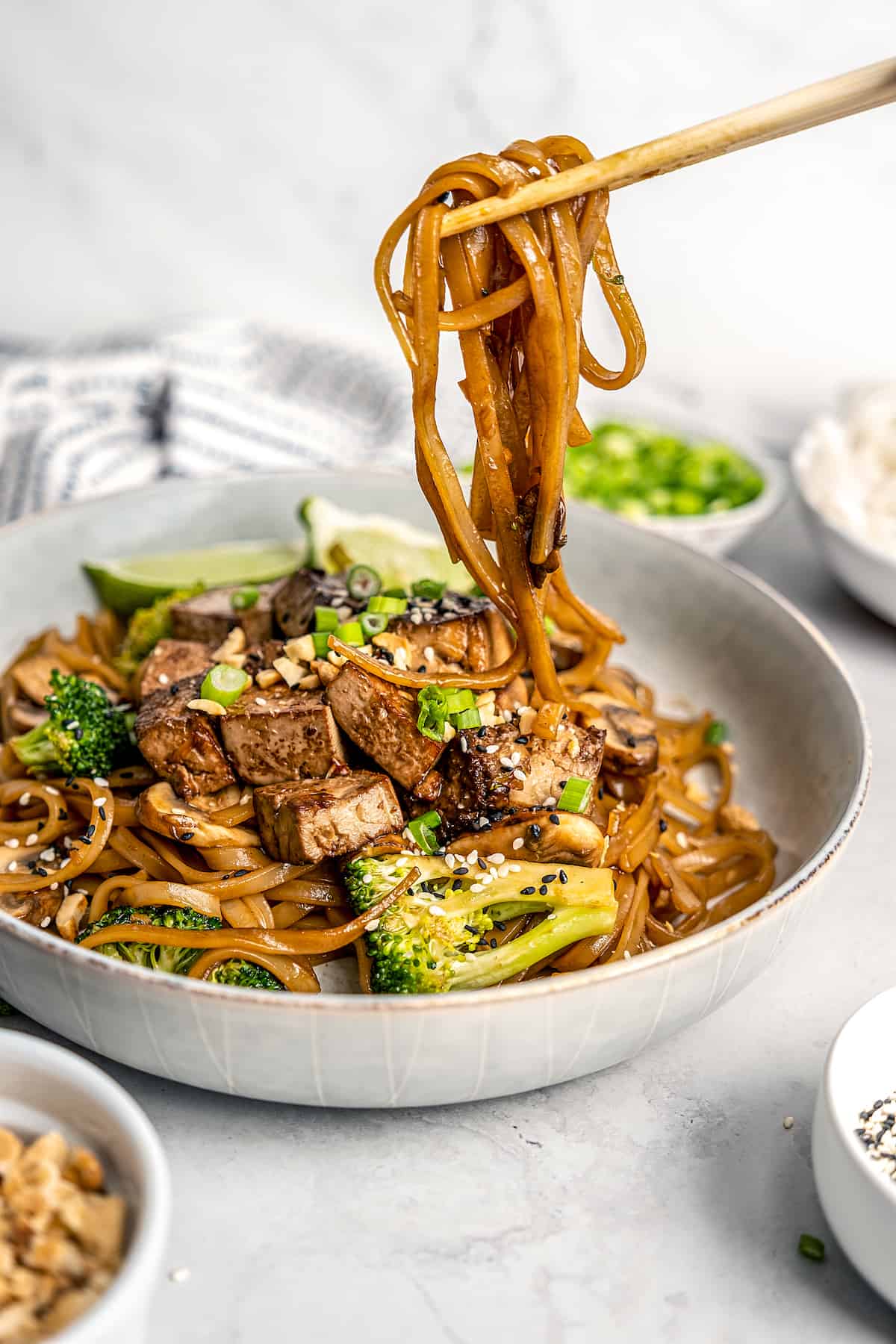
This vegan pad see ew is a plant-based version of the Thai favourite! Rice noodles, vegetables, and chewy tofu are tossed with a sweet, savoury, and slightly tangy sauce for a restaurant-style meal at home.
Going to a Thai restaurant is a tricky proposition for vegans. Even the menu items that look vegan often have shrimp paste or oyster sauce or some other hidden non-vegan ingredient in them. Luckily, you can make a lot of your favourite Thai dishes at home and then there’s no doubt that they’re plant-based!
I’ve shared Vegan Pad Thai , Quick and Easy Thai Green Curry , and Thai Peanut Sauce in the past, and today I’m sharing another classic Thai dish: pad see ew. Or, vegan pad see ew, to be exact. This is a dish that’s a staple in Thai restaurants (although you might also see it labeled as pad siew or phat see-ew), and it’s a little bit like pad Thai, with a more savoury flavour to it.
This vegan pad see ew pairs rice noodles with a salty, soy-based sauce, chewy pan-fried tofu, broccoli, mushrooms, and plenty of garlic. It’s all stir-fried together until the flavours meld, then you garnish it with your choice of toppings—crushed peanuts, sesame seeds, green onions, or whatever else you like on your pad see ew!
Notes on Ingredients
Scroll down to the recipe card to find the ingredient quantities and recipe instructions.
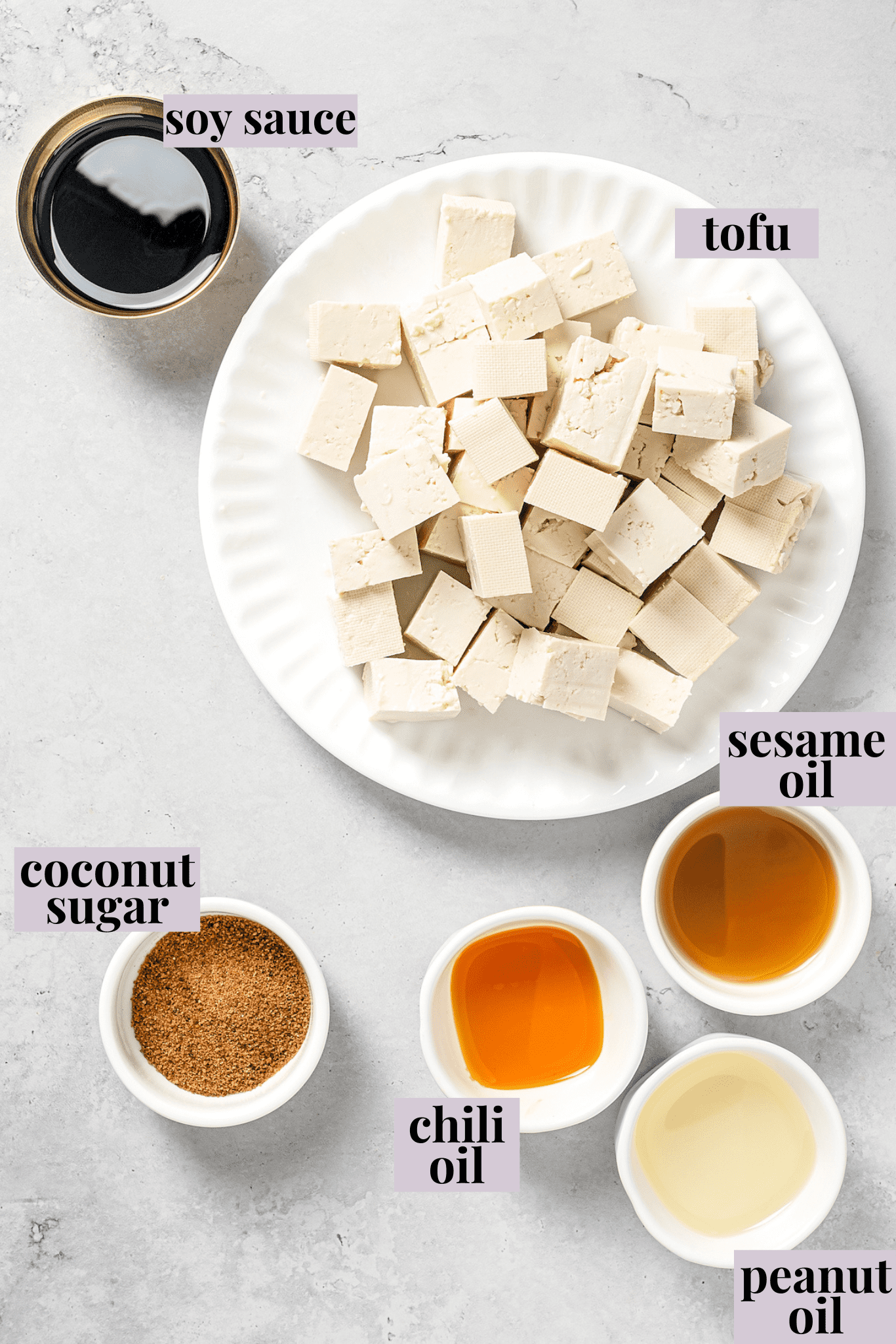
Tofu:
- Soy sauce – Tamari, liquid aminos , or coconut aminos can all be used instead.
- Sesame oil
- Chili oil
- Peanut oil – Or another high-heat cooking oil.
- Extra-firm tofu – Press the tofu to get the excess liquid out. Learn more: How To Cook Tofu 101 + Best Tips on Making the Most Delicious Tofu
- Coconut sugar – Dark brown sugar works too.
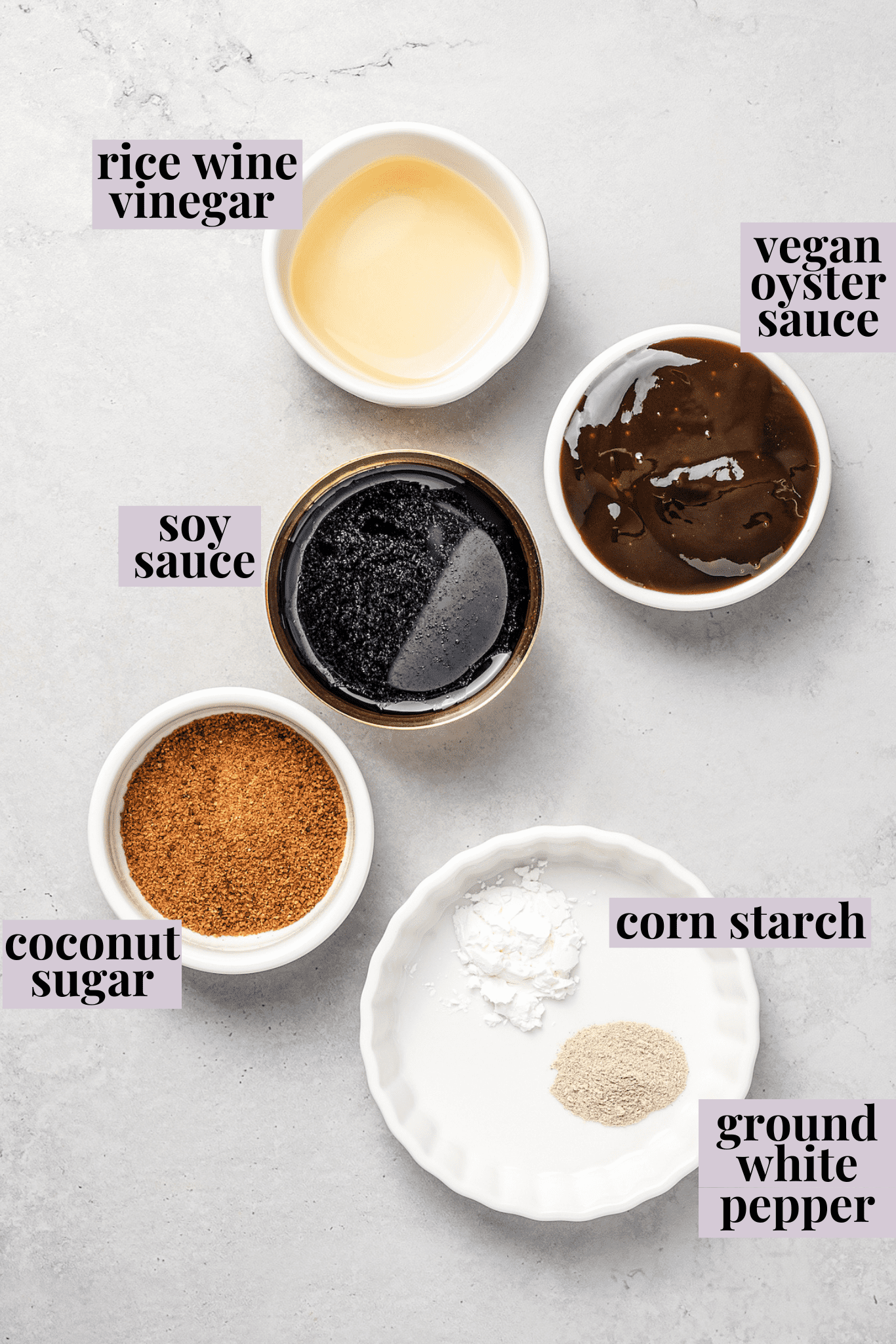
Vegan pad see ew sauce:
- Vegan “oyster” sauce
- Soy sauce – Again, tamari, liquid aminos, or coconut aminos can be substituted.
- Rice wine vinegar – Cooking sake is a good alternative.
- Coconut sugar
- Ground white pepper – White pepper has a very different flavour profile compared to black pepper. I don’t recommend substituting it!
- Corn starch – To thicken the sauce.
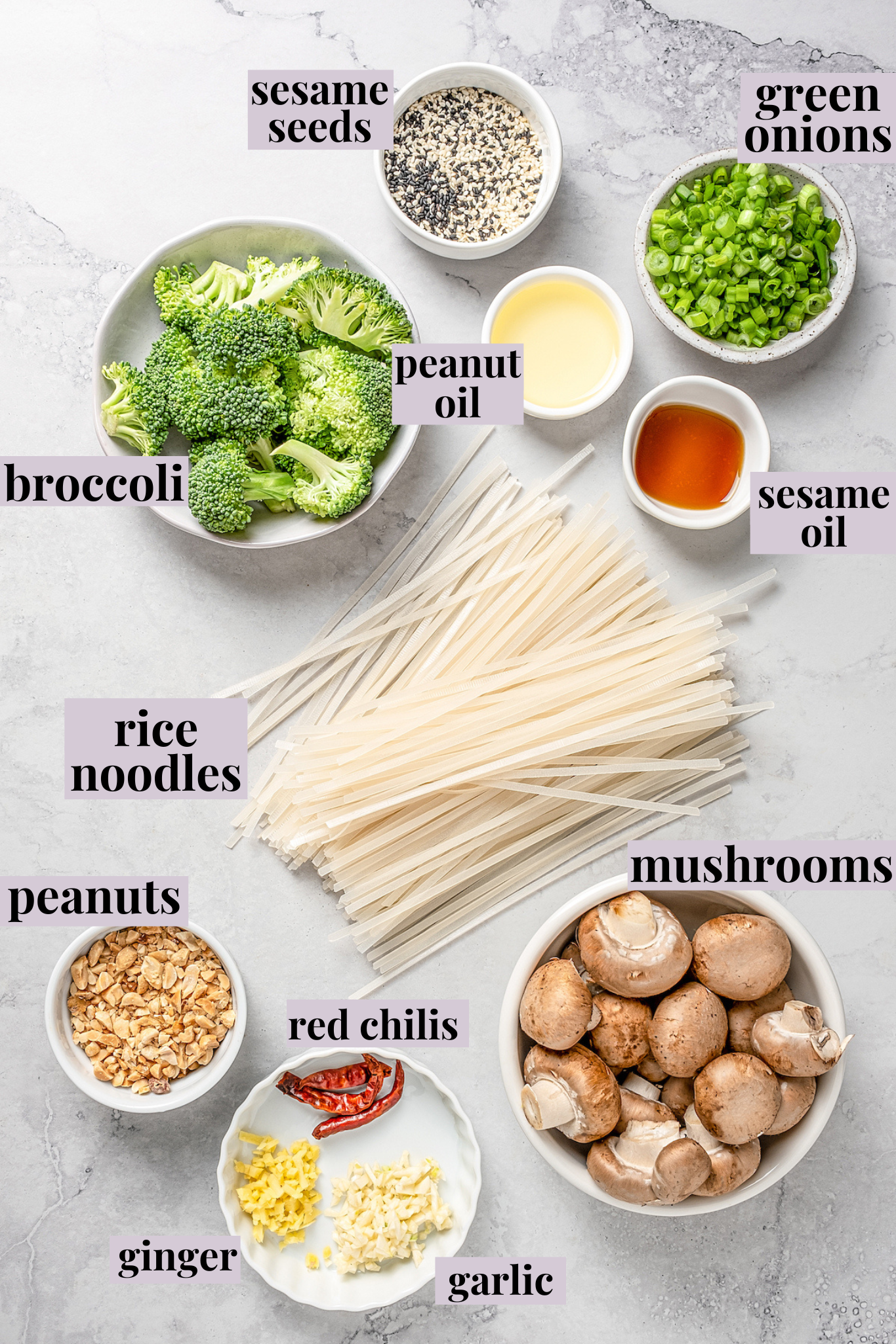
Noodles:
- Water
- Pad Thai rice noodles – Traditionally, pad see ew is made with thick, flat rice noodles, but these aren’t as widely available as pad Thai noodles, so that’s what I’ve used here.
- Sesame oil
- Peanut oil
- Garlic – You can substitute 3 teaspoons of garlic powder, but fresh garlic is best.
- Ginger – 1 teaspoon of ground ginger works too.
- Dried red chilis – Red pepper flakes are a good substitute; you can also omit this for a milder pad see ew.
- Broccoli florets
- Button mushrooms – Or simply use white mushrooms.
- Crushed peanuts – To crush the peanuts, place them in a zip-top bag and whack them a few times with a rolling pin .
- Green onions – For garnish.
- Black and white sesame seeds – Also for garnish.
What Is Vegan Oyster Sauce?
Vegan “oyster” sauce is a plant-based alternative to traditional oyster sauce, which is made from oysters. Vegan oyster sauce has a similar savoury, slightly sweet flavor without the use of animal products; the exact ingredients vary from one brand to the next, with some containing oyster mushrooms or shiitakes, while others are soy-based or flavoured with mushroom extracts.
You can buy vegan oyster sauce or make it yourself. If you’re in a pinch, you can substitute soy sauce with enough coconut or brown sugar to make it sweet.
How to Make Vegan Pad See Ew
If you want to get a head start on making your vegan pad see ew, you can make the noodles, sauce, or tofu (or all three!) in advance so they’re ready to go when you’re about to start cooking.
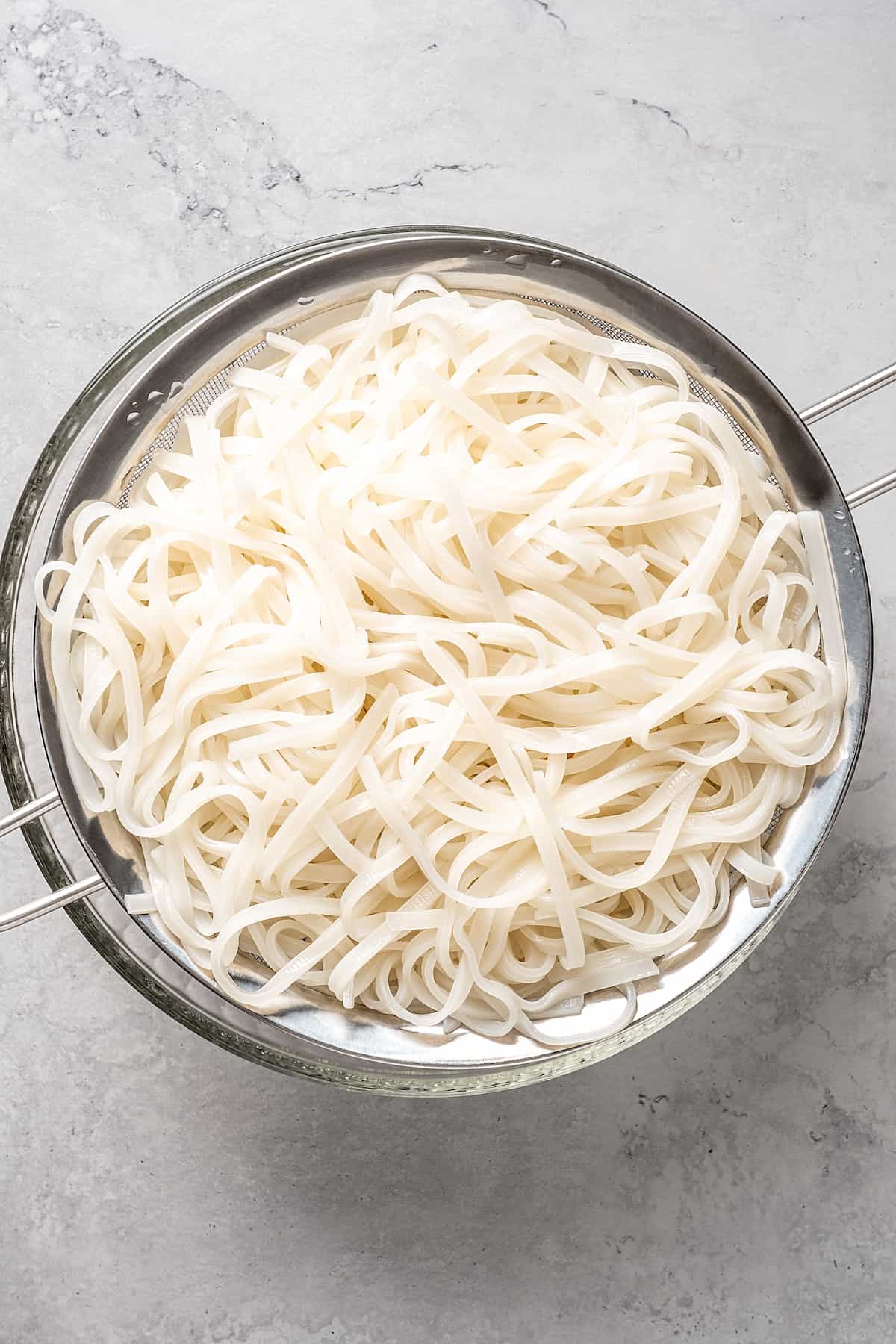
Cook the noodles. Boil the noodles in a large pot set over medium heat, according to the package instructions. Drain and toss the noodles in sesame oil to keep them from sticking.
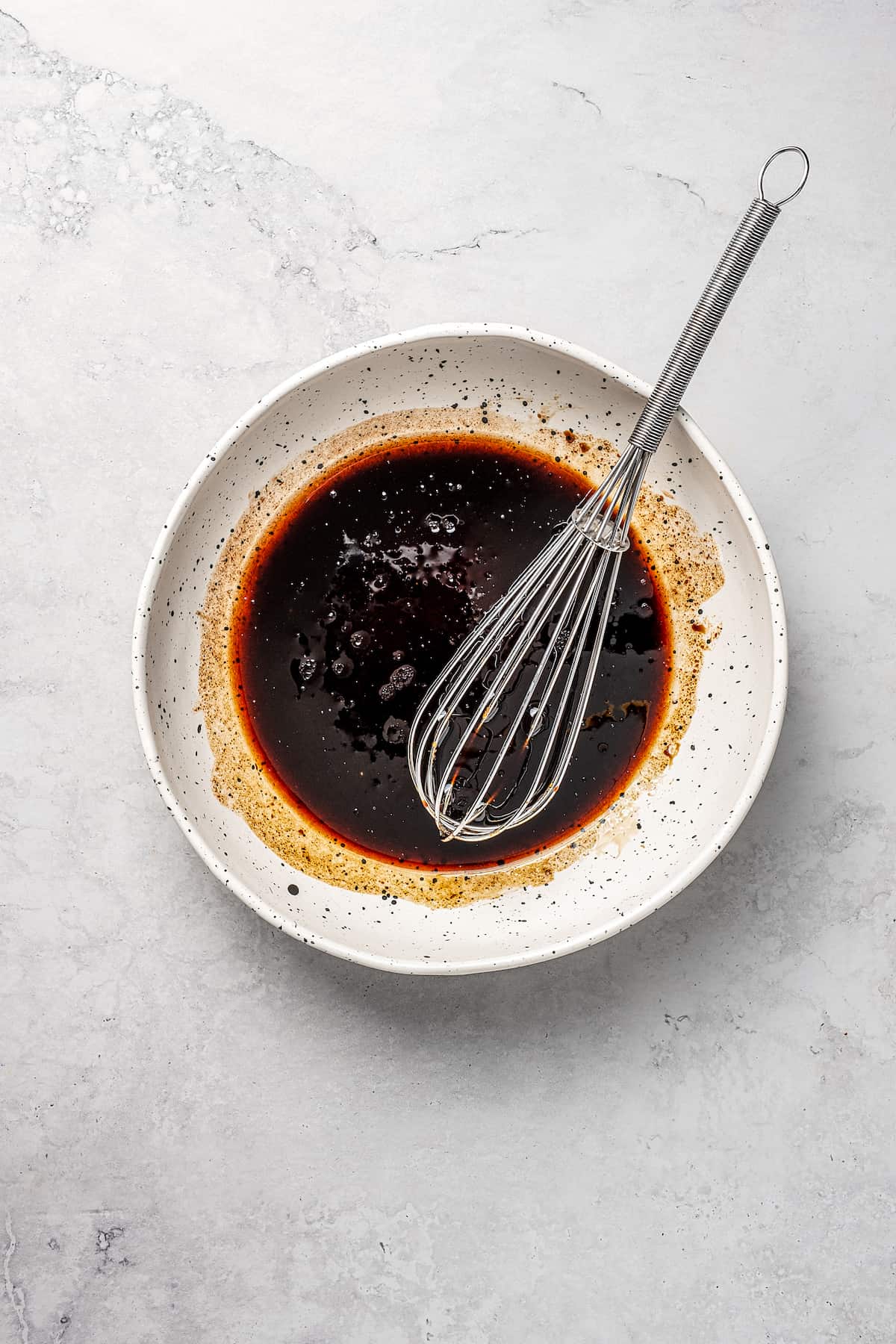
Marinate the tofu. Whisk the soy sauce, sesame oil, and chili oil in a small bowl. Arrange the tofu in an even layer in a shallow baking dish or container. Pour the sauce over the top; chill for at least one hour.
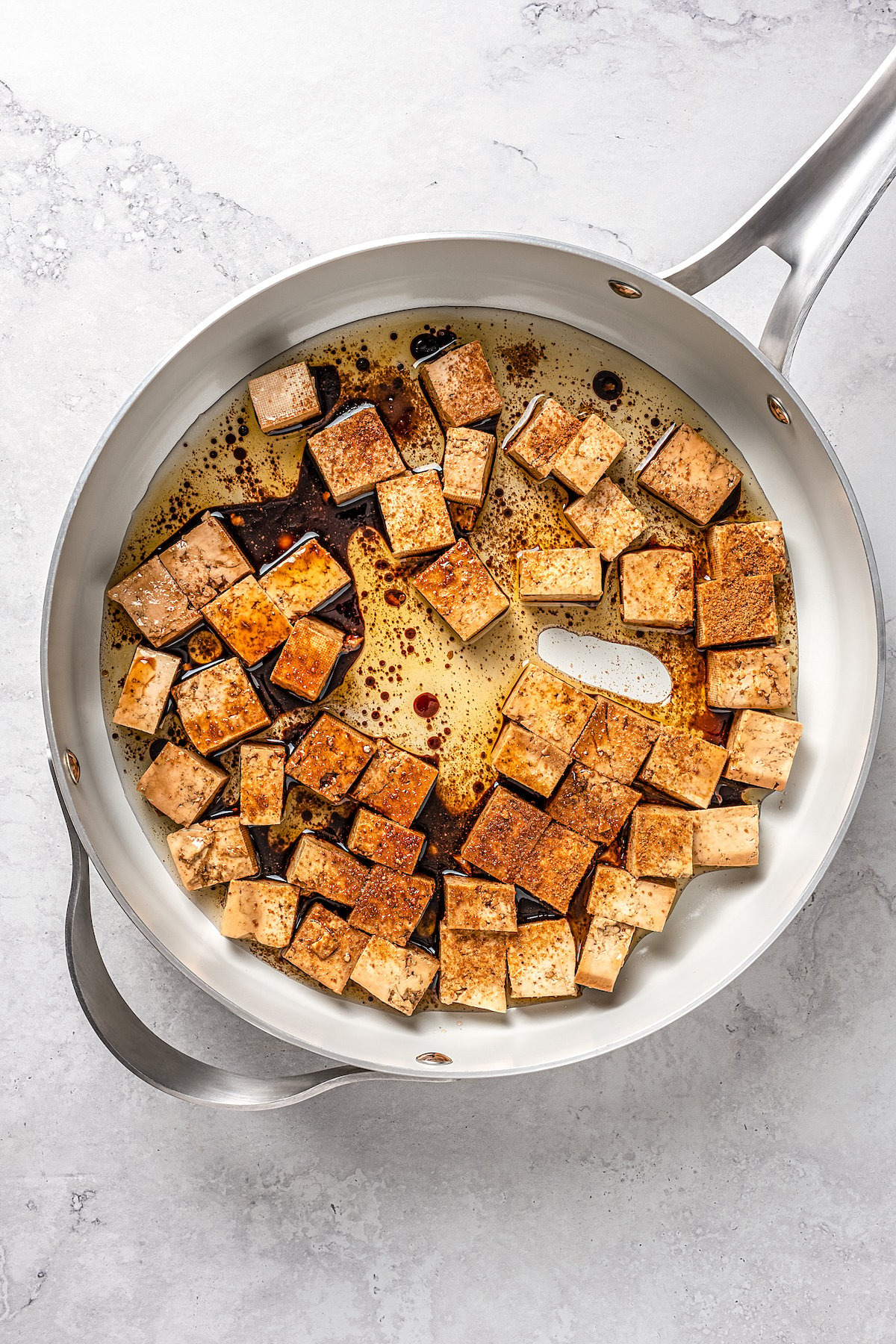
Cook the tofu. Heat the peanut oil in a large skillet or wok set over medium heat. Carefully place the tofu in the hot oil; reserve the marinade and sprinkle half of the coconut sugar over the tofu. Cook for 2 to 3 minutes, or until the bottoms are just beginning to brown. Flip the tofu and sprinkle with the remaining sugar; cook for another 2 to 3 minutes. Flip the tofu one last time and cook for another minute to caramelize the sugar, then pour in the leftover marinade (if any). Cook the tofu for another 2 to 3 minutes, or until the sauce is absorbed. Remove from heat.
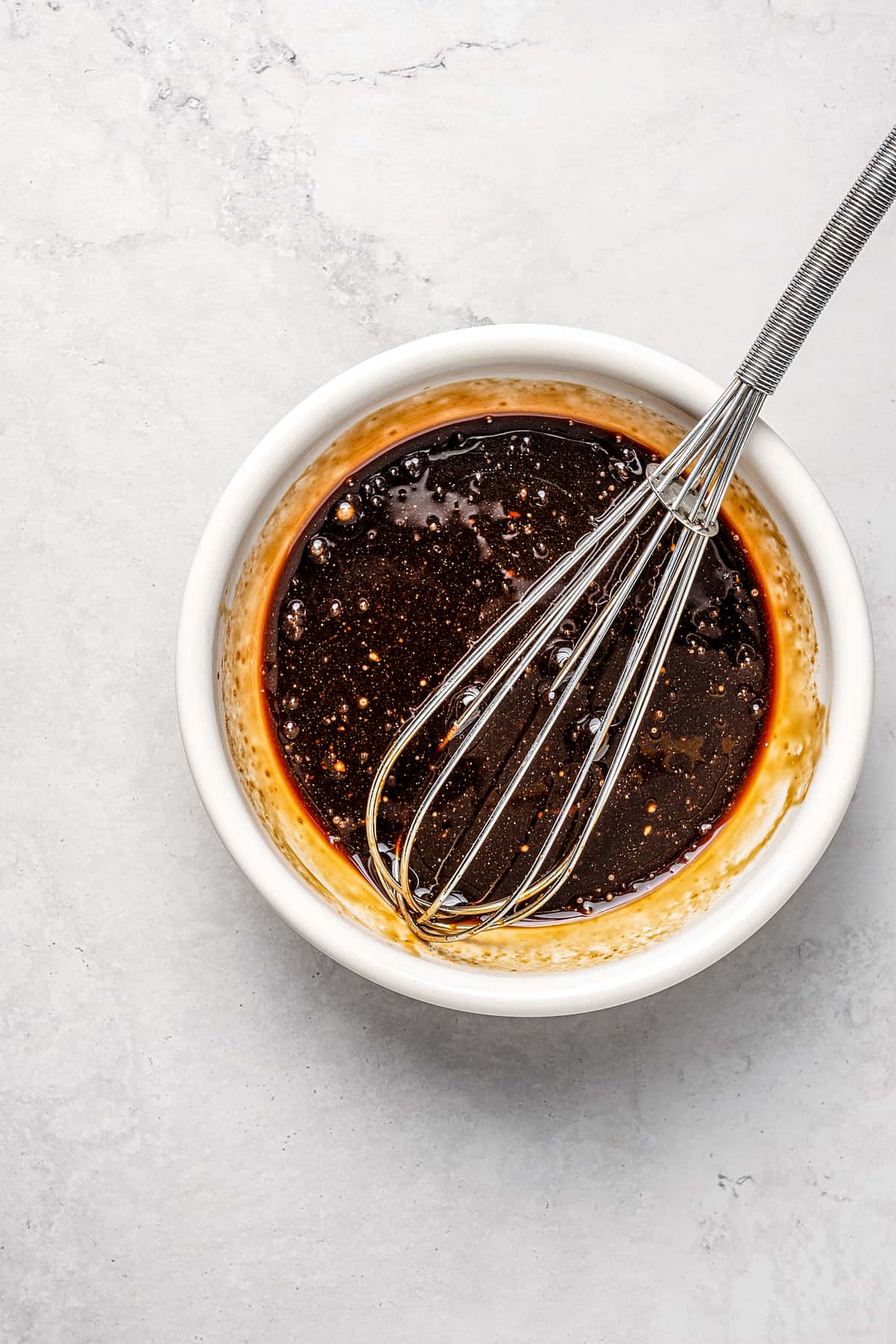
Make the sauce. Whisk the sauce ingredients in a small bowl until well-combined.
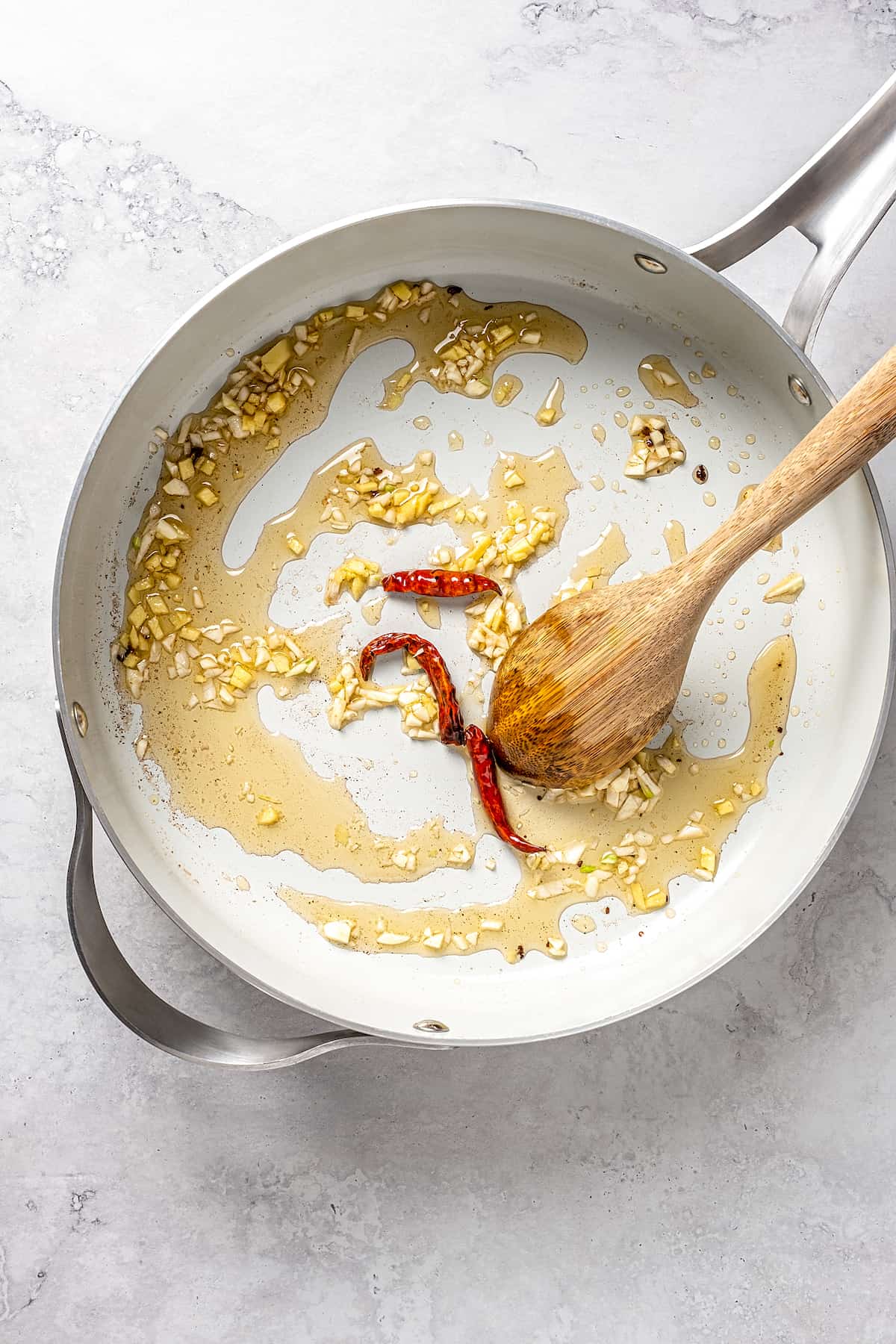
Cook the aromatics. Warm the peanut oil in the pan over medium heat. Add the garlic, ginger, and dried chilis. Stir and cook for 1 to 2 minutes, or until fragrant.
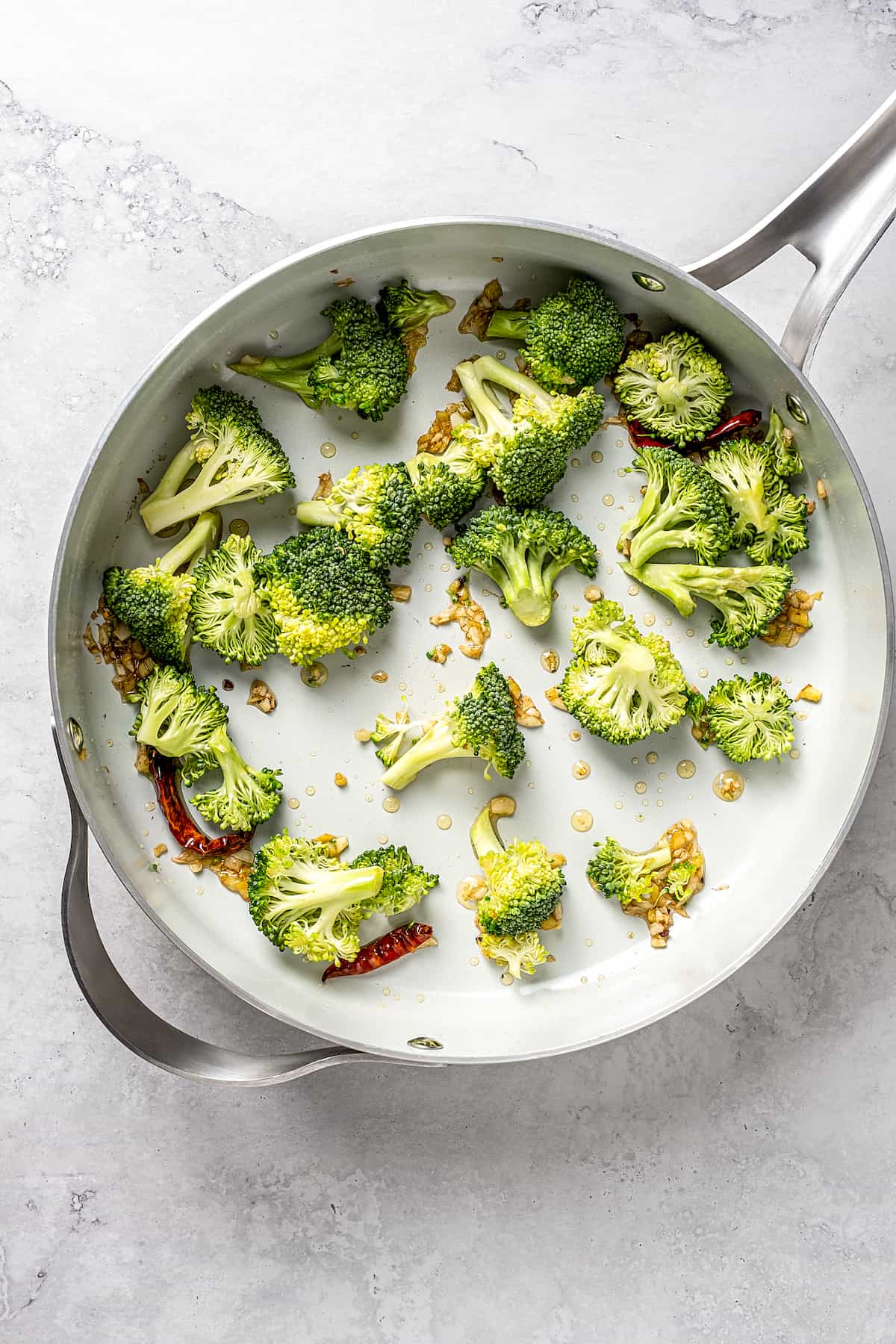
Add the vegetables. Stir the broccoli into the pan and cook for 3 to 4 minutes or until crisp. Add the mushrooms and stir; cook for 4 to 5 minutes, or until the mushrooms are tender.
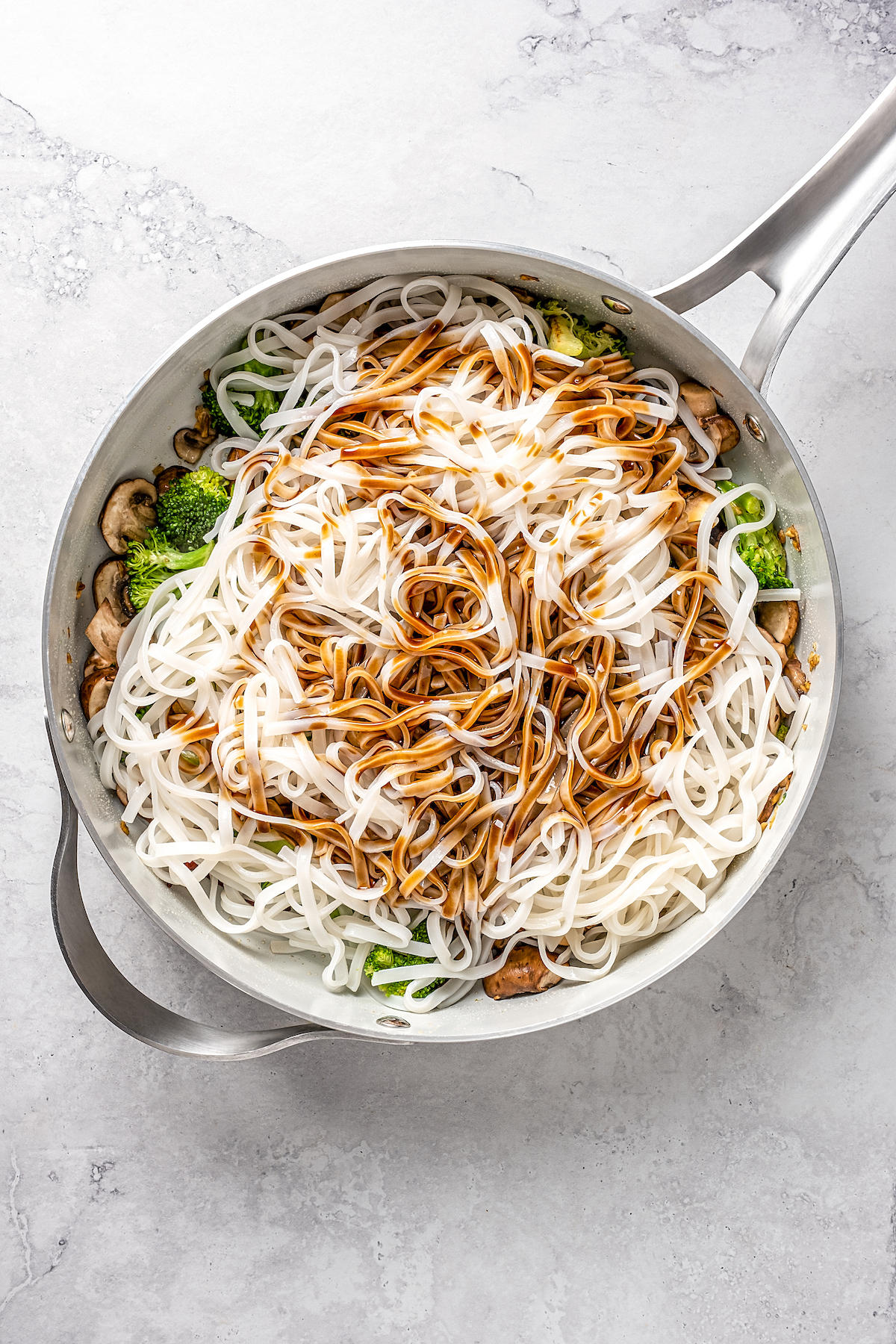
Add the noodles. Transfer the noodles to the pan with the sauce. Cook for 6 to 8 minutes, or until the sauce thickens.
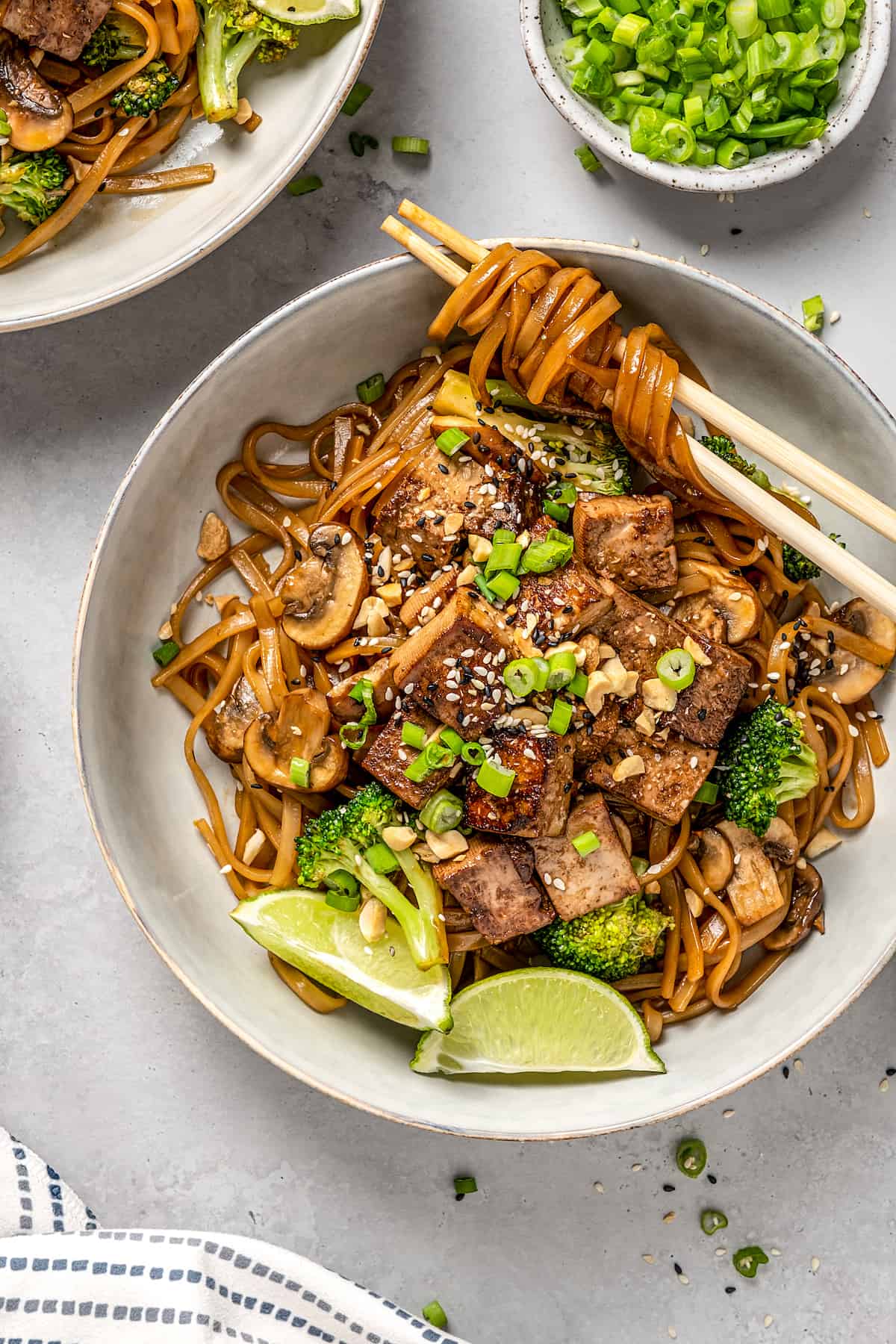
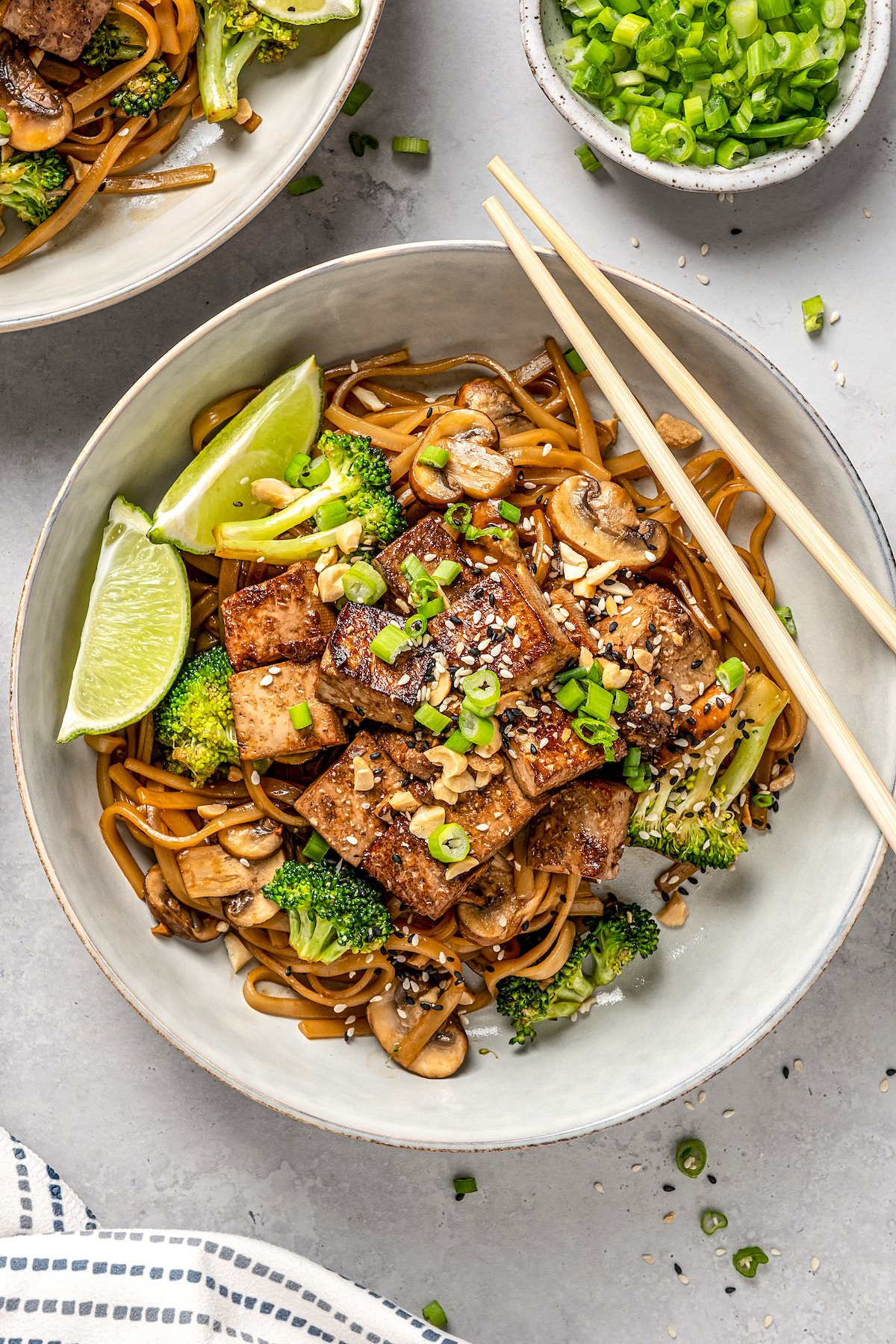
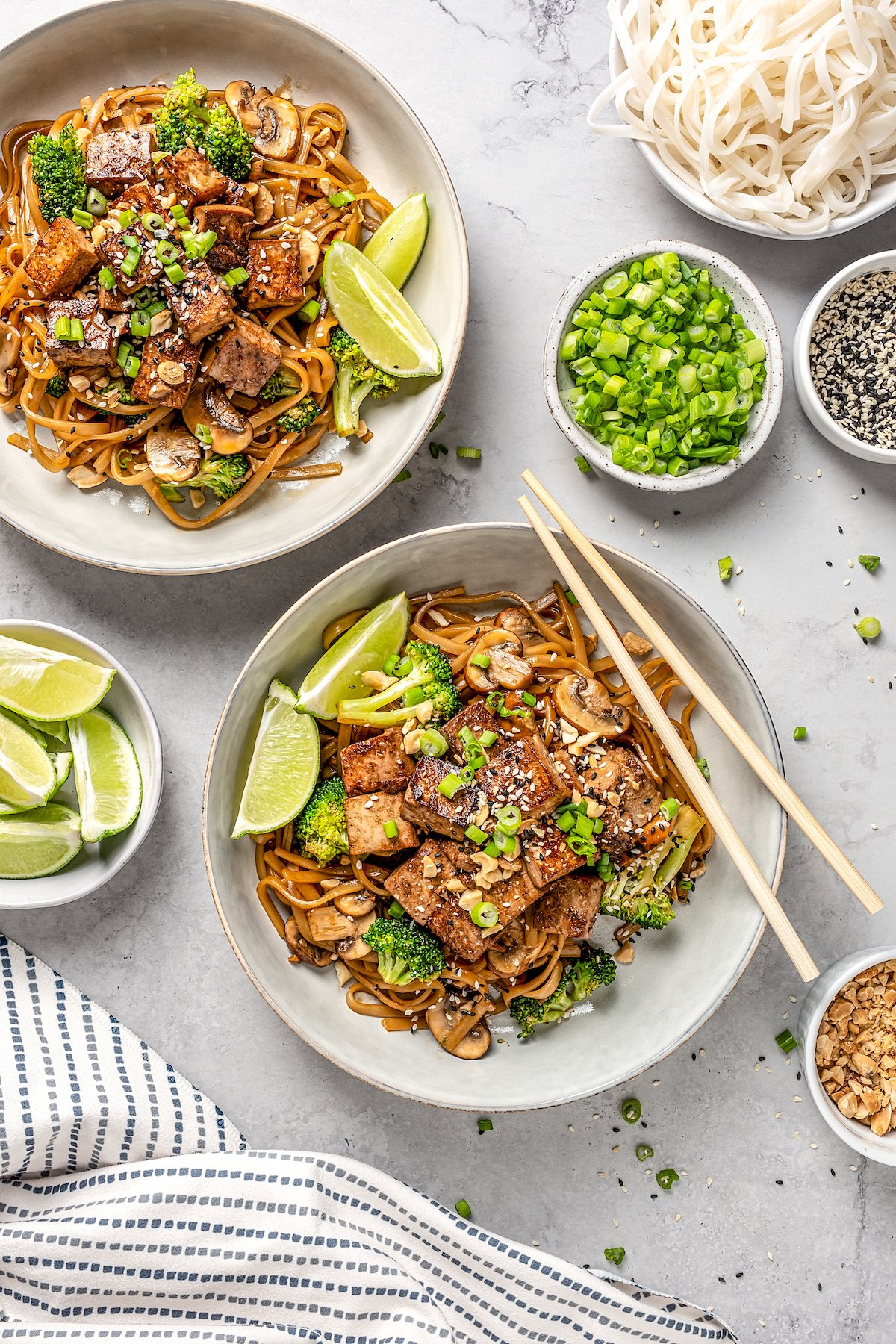
Serve. Remove the pan from the heat. Serve vegan pad see ew warm, topped with the pan-fried tofu, crushed peanuts, sesame seeds, and green onions.
Tips for Success
Here are a few additional pointers for perfect vegan pad see ew.
- Keep the noodles from sticking. Once you add the noodles, stir often to keep them from sticking to the bottom of the pan. Use a non-stick pan if you have one.
- Don’t overcook the noodles. They should still have a slight bite when finished boiling because they’ll continue cooking once you add them to the pan with the sauce.
- Use fresh garlic and ginger. This will give you the most authentic flavour.
Variations
Like most stir-fried noodle dishes, vegan pad see ew is easy to customize to your own tastes and preferences. As long as you keep the proportions more-or-less the same, feel free to make simple ingredient swaps. Here’s some inspiration:
- Use frozen veggies. No prep needed! Plus, frozen broccoli will cook up softer than fresh if you prefer less of a crunchy-crisp texture.
- Add tempeh. Cut it into cubes and use that instead of tofu.
- Try different vegetables. Bok choy, baby corn, bell peppers, or whatever you happen to have on hand in the refrigerator.
How to Store Leftovers
Leftover vegan pad see ew can be stored in an airtight container in the refrigerator for up to 3 days. Reheat on the stovetop with a splash of soy sauce or vegetable broth until warmed through, or just heat it up in the microwave.
Can This Recipe Be Frozen?
You can freeze leftover vegan pad see ew for up to 3 months, but note that the texture may change; the noodles are likely to break apart after freezing, thawing, and reheating. Thaw in the refrigerator overnight, then heat according to the instructions above.
Ingredients
For the tofu:
- 2 to 4 tablespoons soy sauce
- 2 teaspoons sesame oil
- ¼ teaspoon chili oil
- 2 tablespoons peanut oil
- 12 ounces extra firm tofu , cut into ½" slices
- 2 teaspoons coconut sugar
For the sauce:
- 4 tablespoons vegan “oyster” sauce
- 4 tablespoons soy sauce
- 3 teaspoons rice wine vinegar
- 3 teaspoon coconut sugar
- ⅛ teaspoon ground white pepper
- ½ teaspoon corn starch
For the noodles:
- Water , for boiling
- 3.5 ounces pad Thai rice noodles
- 2 teaspoons sesame oil
- 4 tablespoons peanut oil
- 2 tablespoons finely chopped garlic
- 2 teaspoons finely chopped ginger
- 3 dried red chilis , whole
- 1 ½ cups broccoli florets
- 2 ½ cups button mushrooms , cut into ¼" slices
- Crushed peanuts , for garnish
- Chopped green onions , for garnish
- Black and white sesame seeds , for garnish
Instructions
- Cook the noodles. Fill a large pot with water. Heat it over medium heat. Cook the noodles according to package instructions. Strain them and gently toss them in sesame oil. Set them aside.
- Marinate the tofu. Whisk the soy sauce, sesame oil, and chili oil in a small bowl until well combined. Place the tofu in a container, trying not to overlap the slices too much. Pour in the soy sauce mixture. Spoon excess sauce over the tofu. Refrigerate it for at least 1 hour.
- Cook the tofu. Heat the peanut oil in a large pan over medium heat. Add the tofu slices and reserve the marinade. Sprinkle half of the coconut sugar over the tofu. Let it cook for 2-3 minutes or until slightly browned. Carefully flip over the tofu and sprinkle with the remaining coconut sugar. Cook it for another 2-3 minutes. Flip it over one last time and cook it for another minute to caramelize the sugar. Add the leftover marinade (if any). Cook the tofu for another 2-3 minutes or until most of the sauce is absorbed. Remove it from the heat and set it aside.
- Make the sauce. Whisk the vegan “oyster” sauce, soy sauce, rice wine vinegar, coconut sugar, ground white pepper, and corn starch until well combined. Set it aside.
- Cook the garlic. Add the peanut oil to the pan over medium heat. Add the garlic, ginger, and dried chilis. Stir well and let them cook for 1-2 minutes or until fragrant.
- Add the veggies. Toss the broccoli into the pan. Stir fry it, stirring occasionally, for 3-4 minutes or until crisp. Add the mushrooms and mix everything together. Cook for 4-5 minutes or until softened.
- Add the noodles. Transfer the noodles into the pan. Pour in the prepared sauce and stir gently to combine. Cook the noodles for another 6-8 minutes or until the sauce thickens.
- Serve. Remove them from the heat. Serve warm and top them with tofu, crushed peanuts, sesame seeds, and green onions.
