You’re committed to preventing harm to animals through the foods you eat, but what about bread? Is bread vegan? What is yeast , anyway? This explainer will help you understand how—and if—bread fits into your diet.
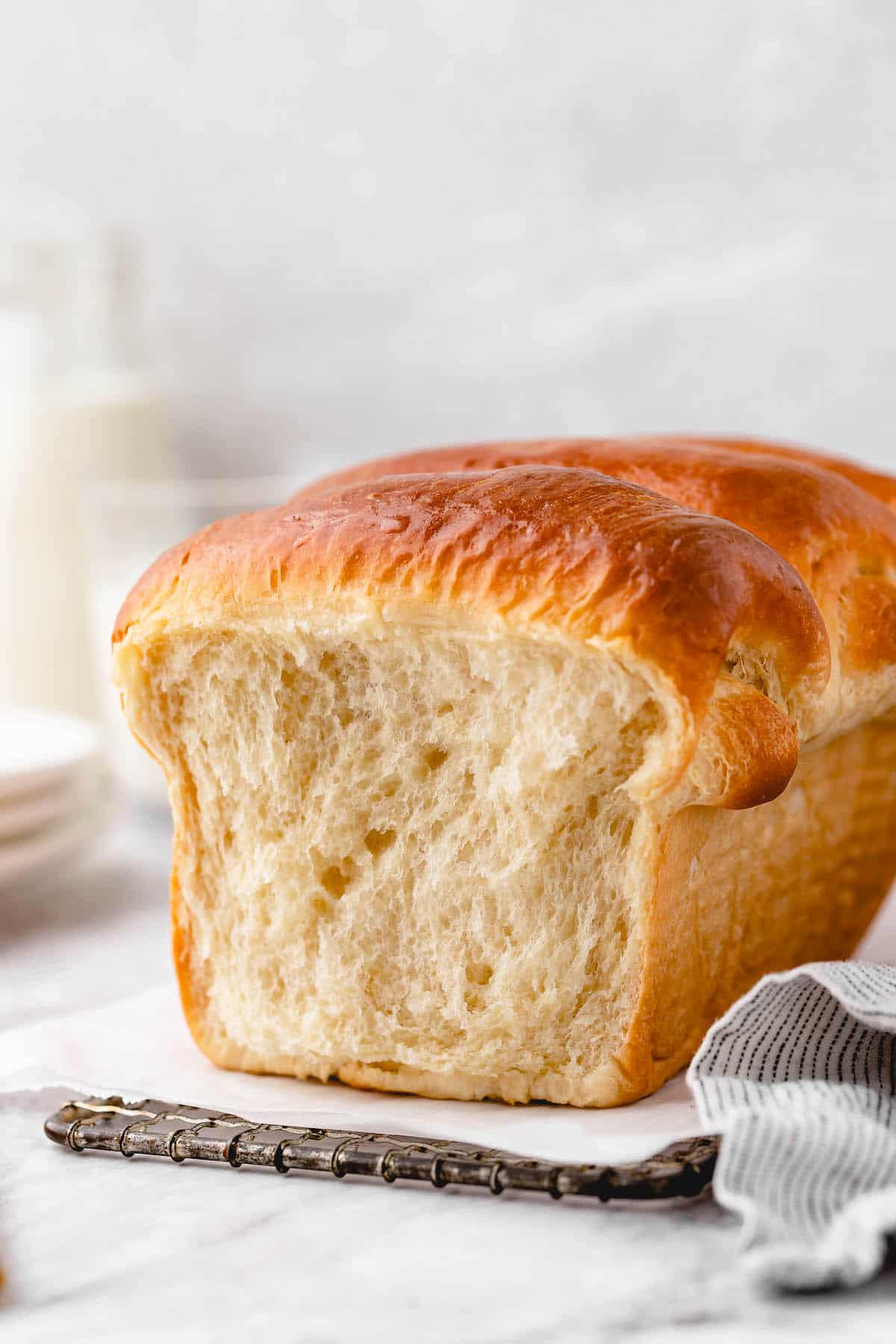
Whether or not you’re into baking at home, you know that bread is made with yeast. But—yeast is a living thing, isn’t it? Does that mean you can’t eat bread because you’re killing yeast by eating it?
Let’s be honest: there are a lot of thorny topics in veganism, and I’ve tackled some of them here on the blog in my posts on questions like Are Marshmallows Vegan? and Is Honey Vegan? . Ultimately, the answers always come down to your own beliefs and comfort level. What I share below is what I believe based on my research into the topic.
Is Bread Not Vegan Because of Yeast?
Bread is still considered vegan even though it contains yeast. Here’s why:
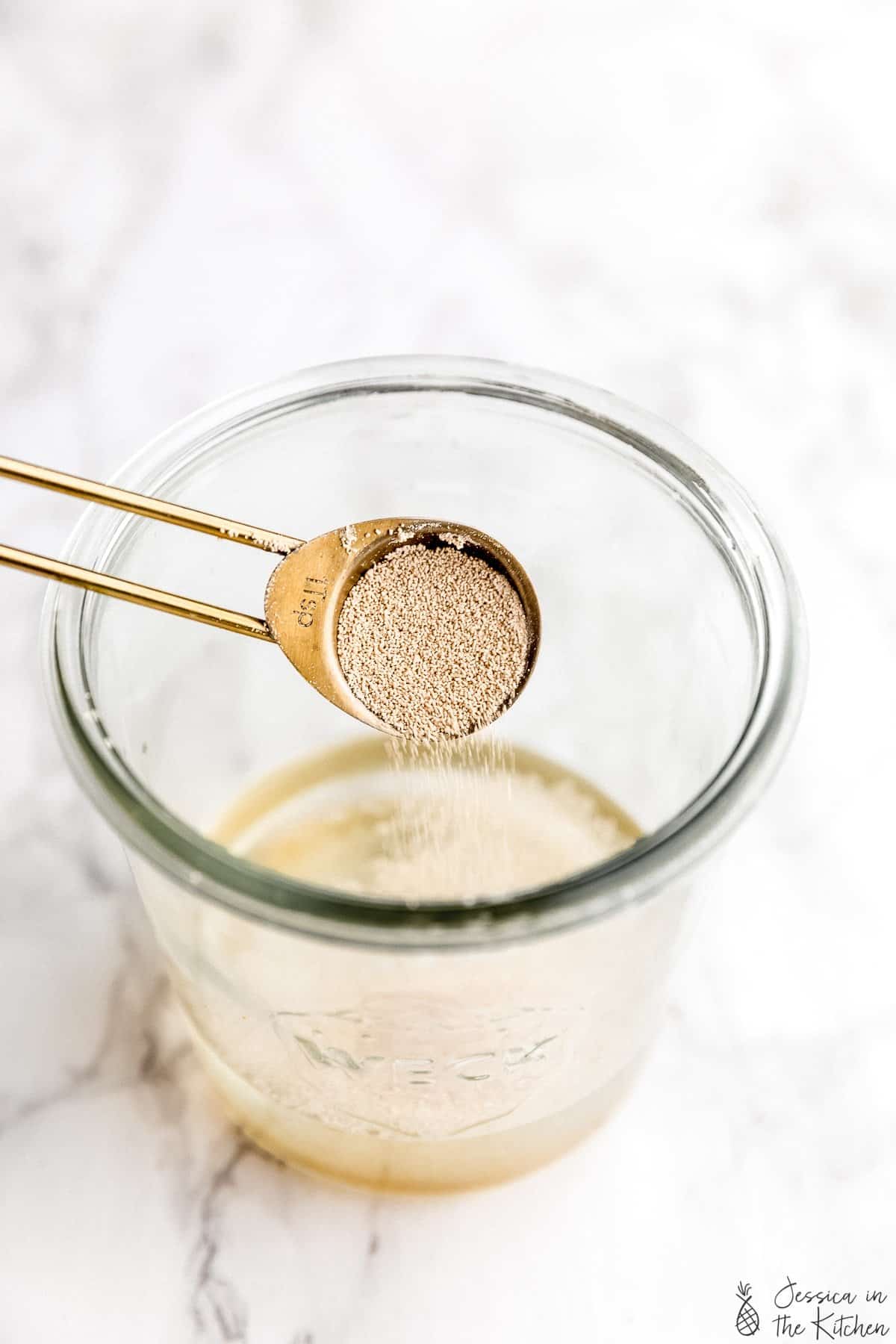
Yeast is a type of fungus that feeds on sugar and leavens bread dough by producing carbon dioxide gas. Without yeast, bread would be dense and flat instead of fluffy and delicious.
Now, the question becomes: does consuming yeast go against the principles of veganism, which seeks to avoid all forms of animal exploitation and cruelty? This is where opinions may vary.
A very small minority of vegans believe that consuming yeast goes against their beliefs since it is a living organism. They argue that even though yeast does not have a central nervous system, it still has the ability to grow and reproduce, making it a form of life deserving of ethical consideration.
Aside from that minority, most vegans argue that consuming yeast is not against veganism as it does not cause harm to animals. In other words: yeast is vegan .
Understanding the Role of Yeast in Bread Making
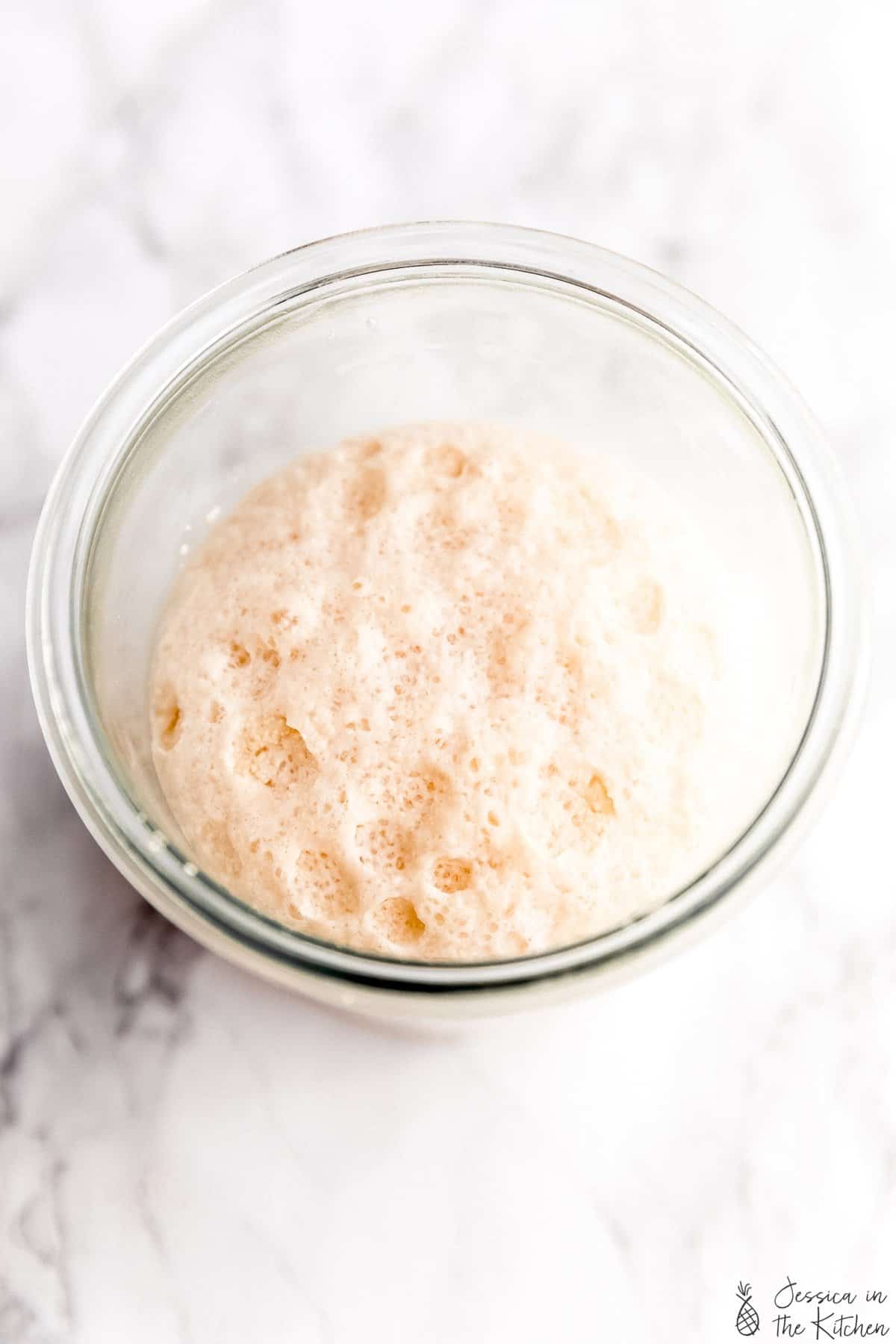
Breads are made either with commercial yeast or through natural fermentation. Commercial yeast is made in laboratories using microorganisms, while natural fermentation uses wild yeasts and bacteria found in the air to leaven bread dough. Both methods are considered suitable for vegans as they do not involve any animal products.
When bread was first invented in ancient times, it’s believed that bakers would always retain a small piece of dough from the previous day’s loaf. This would be incorporated into the dough for the next day’s loaf, which is how sourdough was born. Setting aside that small piece of dough each day would allow natural yeasts to grow and thrive, giving the next day’s loaf more rise and a more robust flavour.
Why Is Yeast OK for Vegans?
Nearly all vegans eat yeast in many forms—look no further than the popularity of nutritional yeast ! Nutritional yeast, also known as “nooch,” is a deactivated form of yeast that is used as a cheese substitute by vegans because of its nutty, cheesy flavor. It’s packed with nutrients too, including protein, B vitamins, and trace minerals. Additionally, many commonly consumed foods like beer, wine, soy sauce, and, of course, bread contain yeast.
Again, yeast is a fungus, so consuming yeast is generally considered ethical in vegan diets. If you eat mushrooms, it’s really no different than eating yeast.
Common Types of Vegan Bread
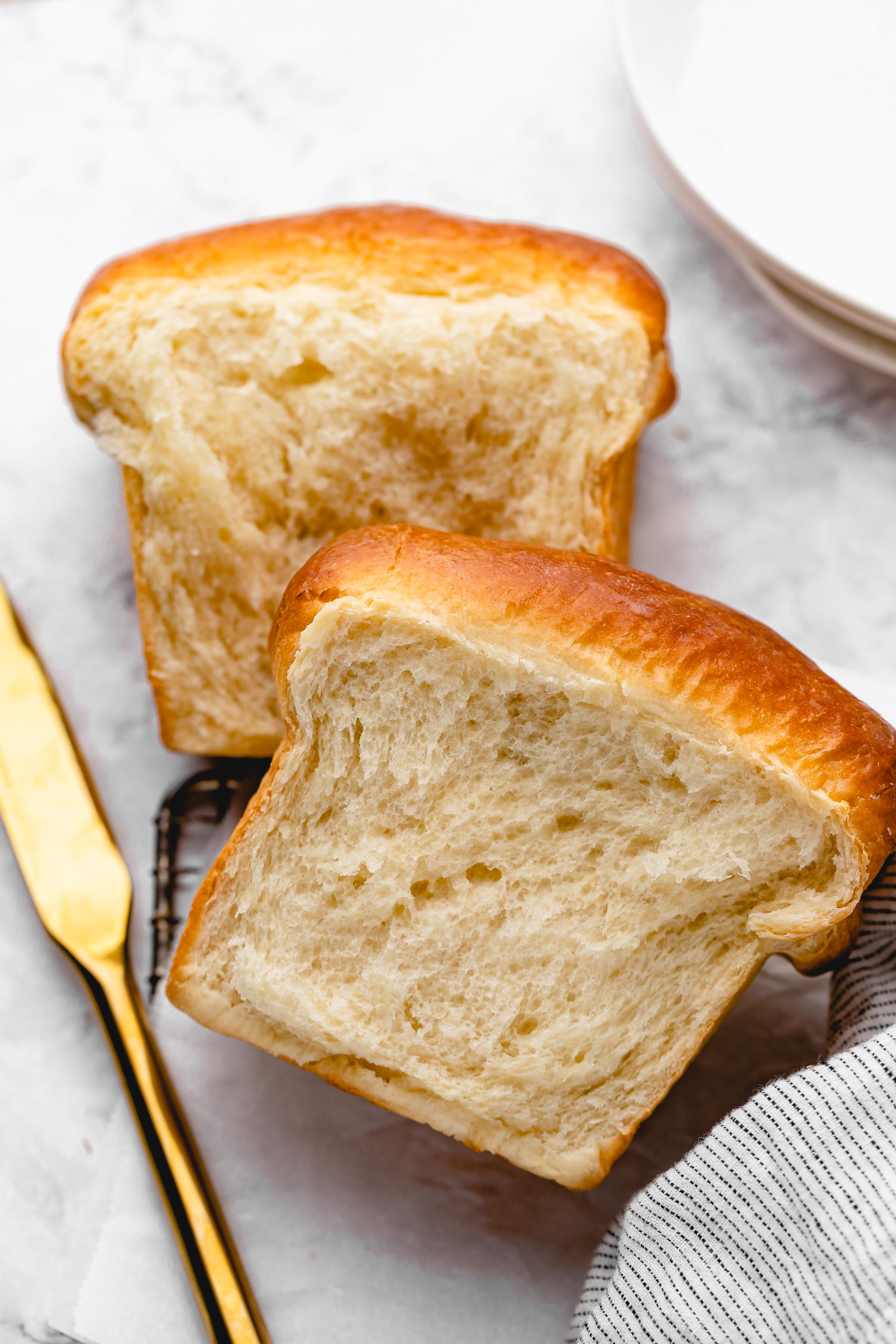
Now that we’ve established that yeast is generally considered vegan, let’s talk about common types of bread and whether or not they fit into a vegan diet. Here are some popular types of bread that are typically vegan:
- Sourdough . This type of bread is made with natural fermentation using wild yeasts. It does not normally contain any animal products.
- Whole wheat . As long as the bread is made with plant-based ingredients and does not contain dairy or honey, whole wheat bread is generally vegan-friendly.
- White bread . Similarly to whole wheat bread, white bread can be vegan if it doesn’t include any animal-derived ingredients like eggs, milk, or honey.
- Rye bread . Rye bread is also typically vegan, as it’s made with a combination of rye flour, water, and yeast.
- Gluten-free bread . Many gluten-free varieties of bread are vegan-friendly, as they are often made with non-animal-derived ingredients. However, some may contain dairy or eggs, so it’s important to always check the label.
Can Vegans Eat Any Bread? What Kind of Bread Isn’t Vegan?
While most bread is vegan-friendly, there are some types of bread that may not be suitable for a plant-based diet. Here are a few ingredients to watch out for:
- Eggs . Breads like challah, brioche, and egg breads (often known as enriched breads) typically contain eggs and therefore are not considered vegan.
- Dairy . Some types of sweet breads and enriched white breads may contain milk or butter.
- Honey . Many breads, especially whole wheat varieties, use honey as a sweetener, so it’s important to check the ingredient list.
- Lard . Some donuts and sweet breads use lard as an ingredient or for frying, so make sure to ask if you’re ordering from a bakery or restaurant.
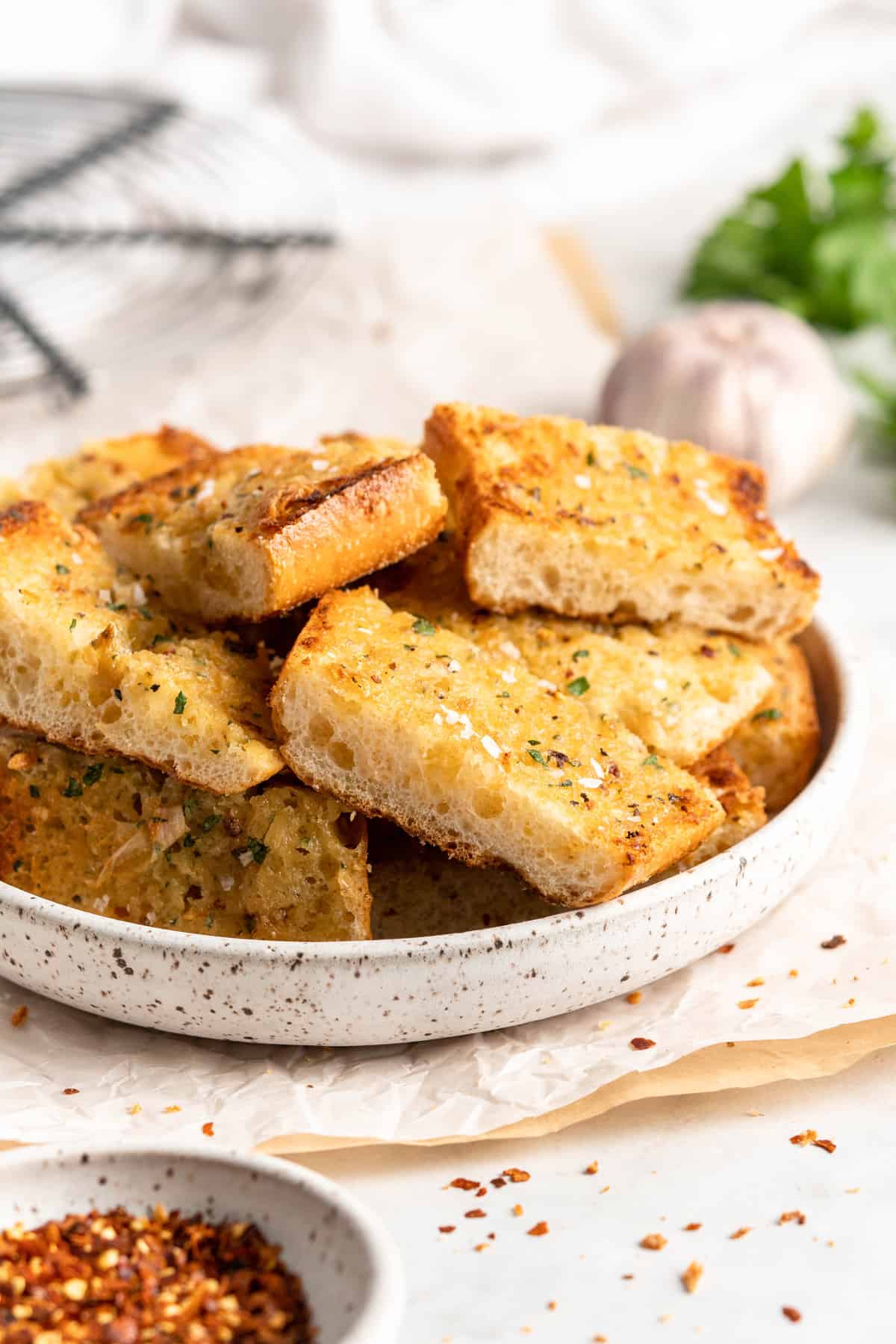
How to Know if Store-Bought Bread Is Vegan
Store-bought bread often falls into the category of surprising foods that aren’t actually vegan . You can blame the long list of ingredients on commercially-produced breads for that—many of them are made with animal-derived ingredients, but the complicated names make it hard to understand exactly what you’re buying!
Avoid potential non-vegan ingredients by checking the label for any of these sneaky additives:
- L-cysteine . Often used in commercial bread as a dough conditioner, this amino acid is derived from feathers.
- Mono and diglycerides . These emulsifiers are generally vegan, but can be derived from animal sources.
- Whey . A byproduct of cheese production, whey is sometimes added to breads to improve texture.
- Vitamin D3 . While vitamin D can be vegan-friendly if derived from plant sources, vitamin D3 is often derived from animal sources such as lanolin or fish oil.
Overall, the best way to ensure your bread is vegan is to read the label and search online for any ingredient names you’re unfamiliar with.
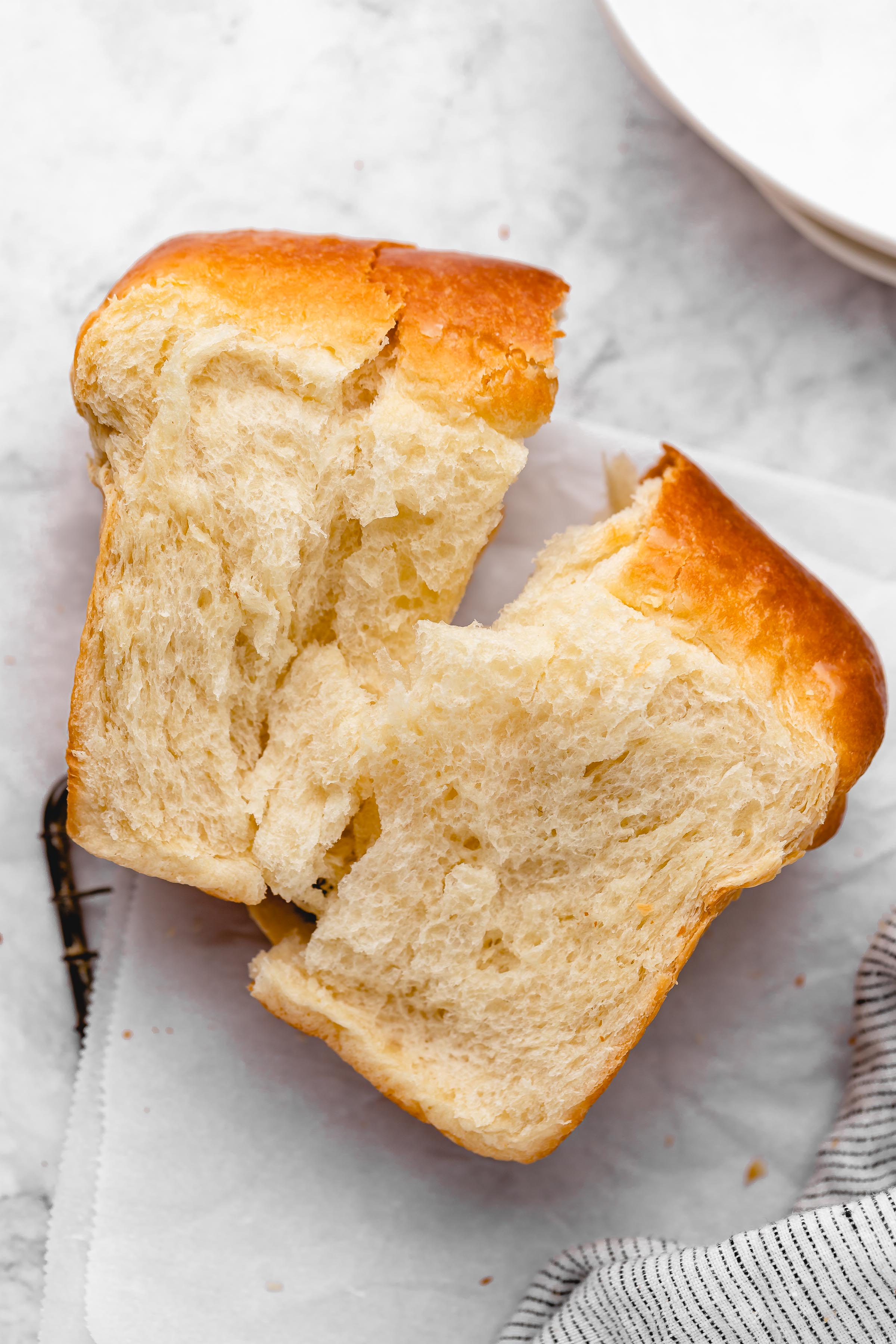
Vegan Bread Recipes to Try
Now, if you really want to make sure your bread is vegan, the answer is to make it yourself! I enjoy making bread and over the years I’ve made vegan versions of some of my favourite breads. Here are some to try:
- Vegan Japanese Milk Bread
- Garlic and Rosemary Focaccia Bread
- No Knead Bread (Dutch Oven Bread)
- Vegan Naan Recipe
- Vegan Garlic Naan
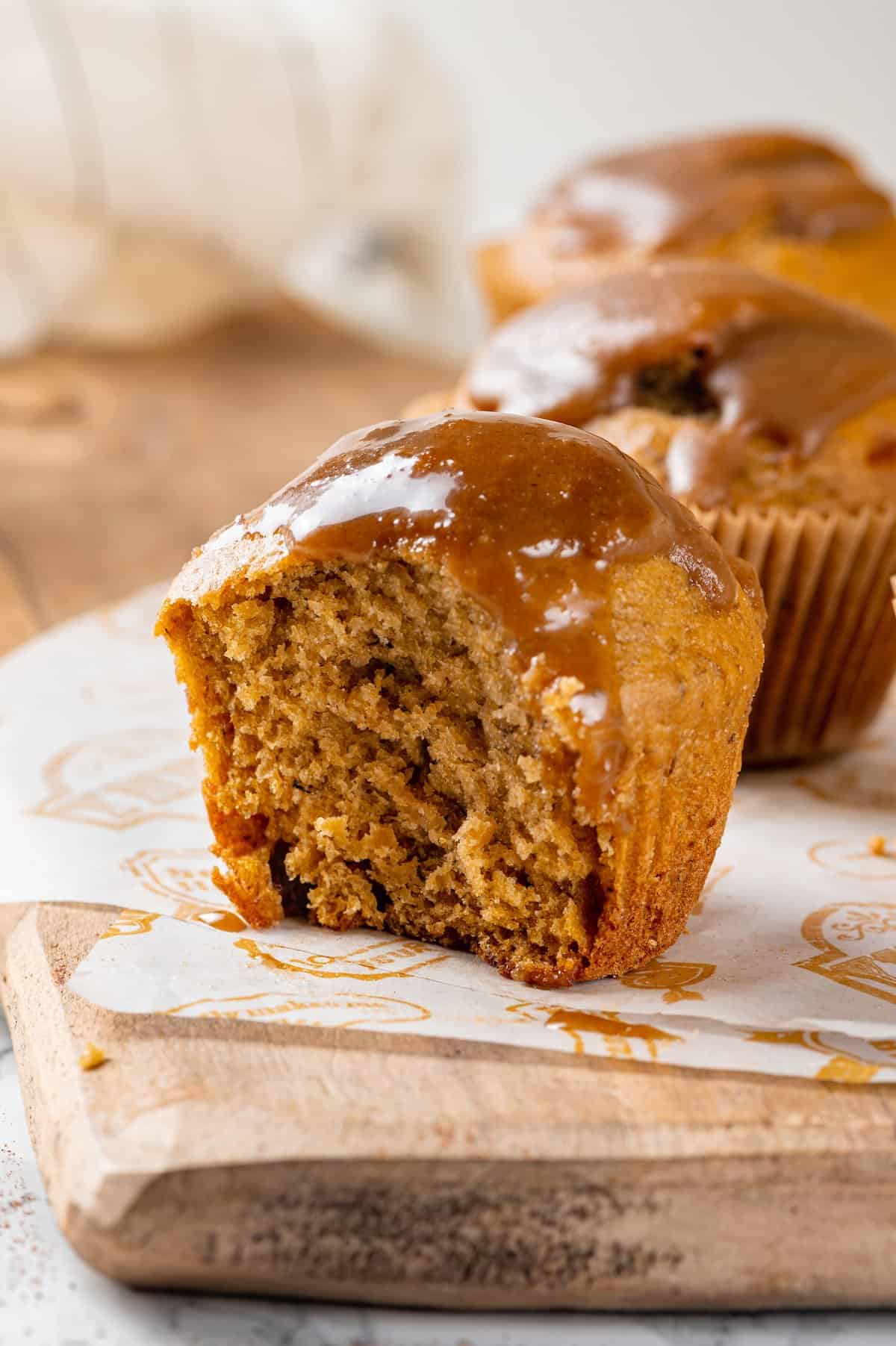
These pumpkin banana muffins are super moist, full of cozy flavour, and finished with a buttery brown sugar glaze to take them over the top! An easy vegan muffin recipe you’ll make again and again.
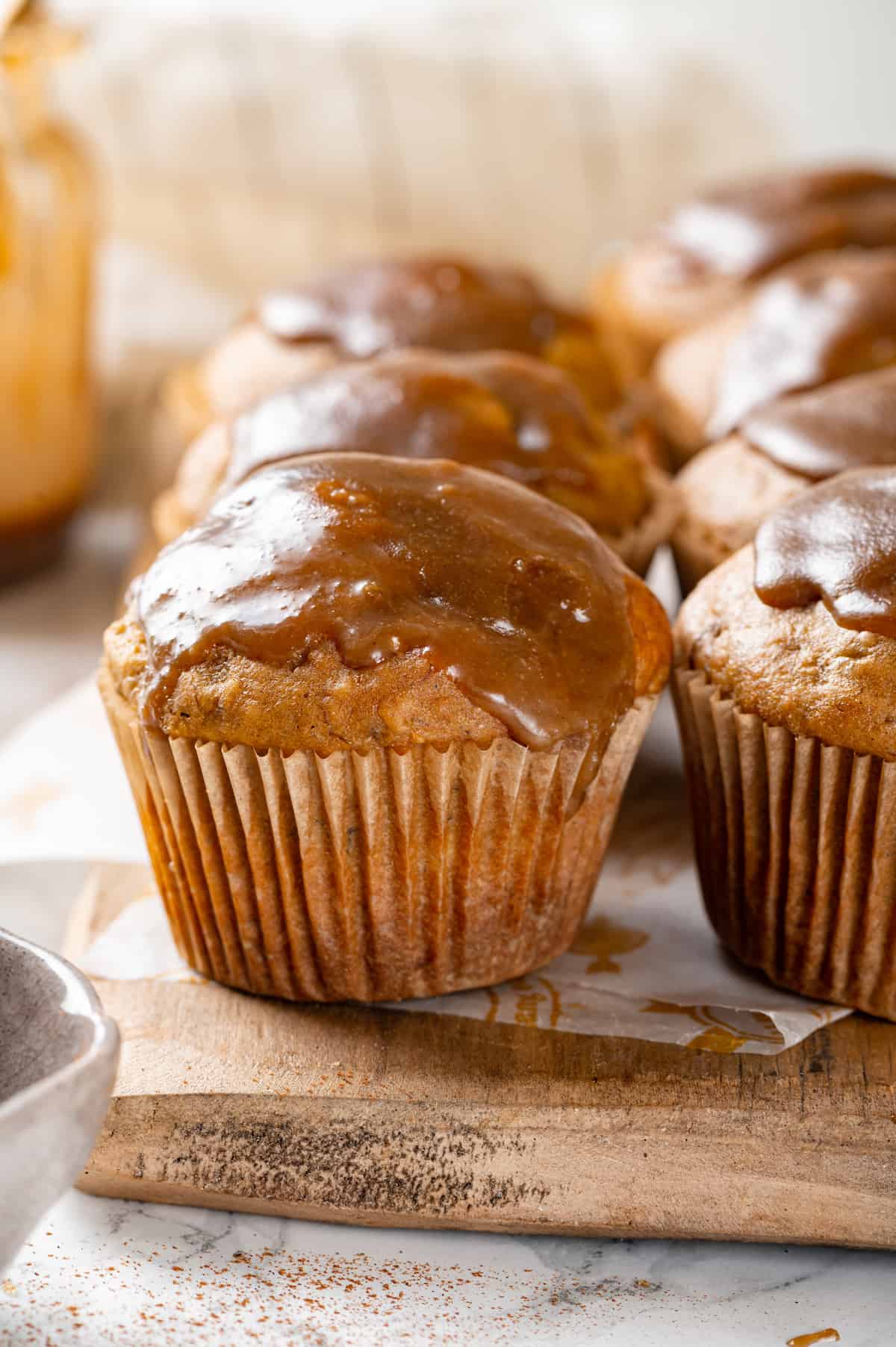
If you couldn’t tell from the fact that I have vegan pumpkin muffins , pumpkin chocolate chip muffins , and pumpkin cream cheese swirl muffins here on Jessica in the Kitchen, these pumpkin banana muffins should make it clear: I love making muffins with pumpkin.
It’s not just the lovely glow pumpkin muffins have, or the cozy flavour—pumpkin muffins have a moist, tender crumb that makes them absolutely irresistible. This pumpkin banana muffin recipe is no exception. Plus, they have a buttery brown sugar glaze that you’ll want to eat with a spoon!
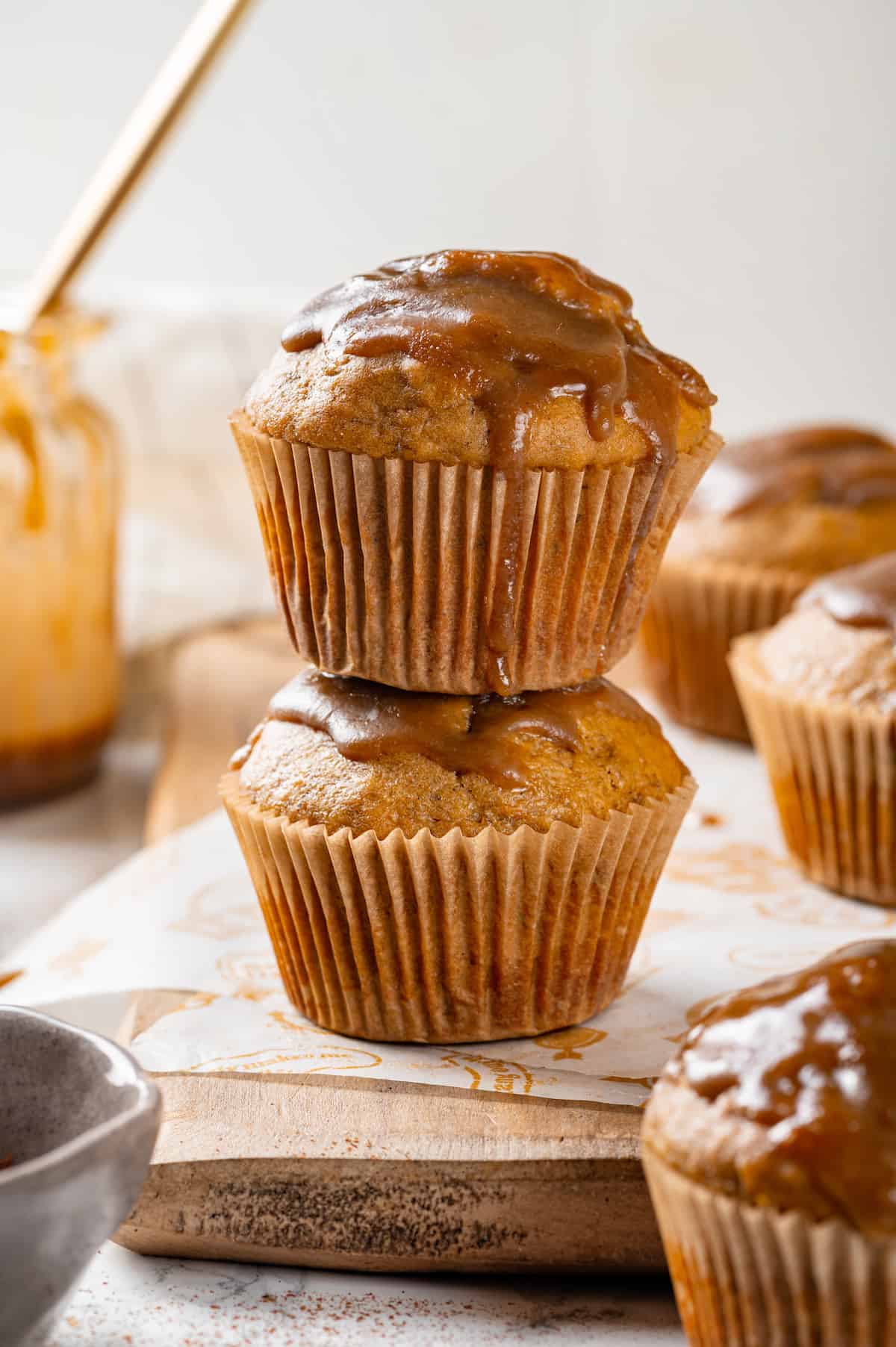
Why You’ll Love This Pumpkin Banana Muffins Recipe
- Banana and pumpkin spice flavor . Two favourites in one muffin! While the pumpkin puree delivers a beautiful colour and moist crumb, it doesn’t have all that much flavour on its own. It’s the cozy pumpkin pie spice and ripe bananas that steal the show in these pumpkin banana muffins!
- Soft and tender . No dry muffins here! The banana and pumpkin puree guarantee that you muffins will turn out perfectly moist.
- Simple to make . Muffin recipes are always the easiest recipes! Like my vegan lemon poppyseed muffins and blueberry muffins , these pumpkin banana muffins are practically effortless. Mash the banana, mix the batter, bake, and glaze!
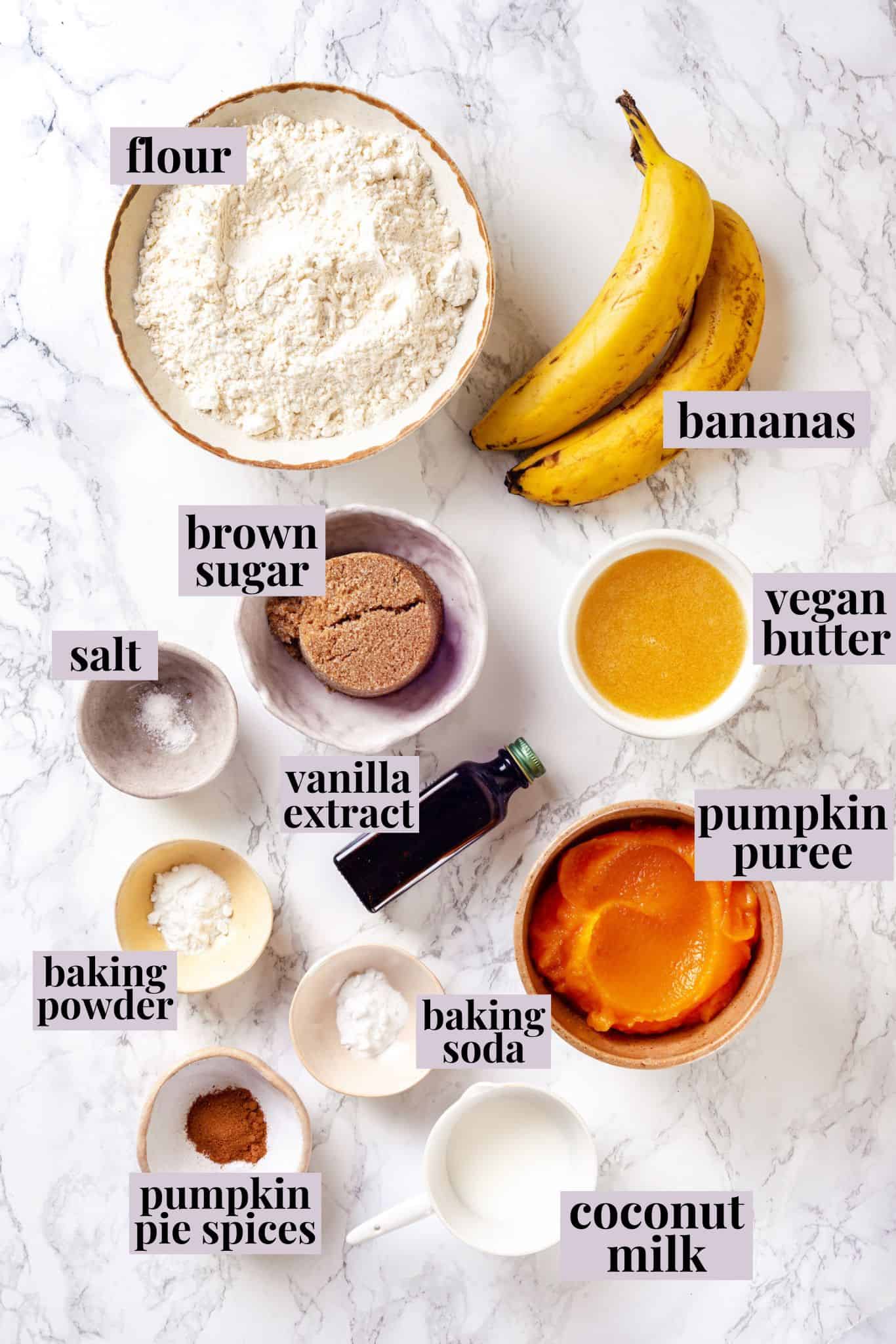
Notes on Ingredients
Scroll down to the recipe card to find the ingredient quantities and recipe instructions.
- Ripe bananas – Ripe is key! They’ll not only add sweetness to the recipe, but ripe bananas also have a more pronounced banana flavour.
- Pumpkin puree – You can use homemade pumpkin puree or canned. If you use canned, you’ll have just enough leftover to make vegan pumpkin cheesecake swirl brownies !
- Vegan butter – Here’s how to make your own vegan butter .
- Brown sugar
- Vanilla extract
- All-purpose flour – To make this recipe gluten-free, you can use a measure-for-measure gluten-free flour substitute.
- Pumpkin pie spice
- Baking powder
- Baking soda
- Salt
For the Glaze:
- Brown sugar – Dark brown sugar has more molasses flavor, while light brown is milder. Use whichever you prefer.
- Butter
- Coconut milk – Coconut milk is richer than other vegan milks, giving you a creamy glaze for these pumpkin banana muffins.
- Vanilla extract
- Salt
How to Make Pumpkin Banana Muffins
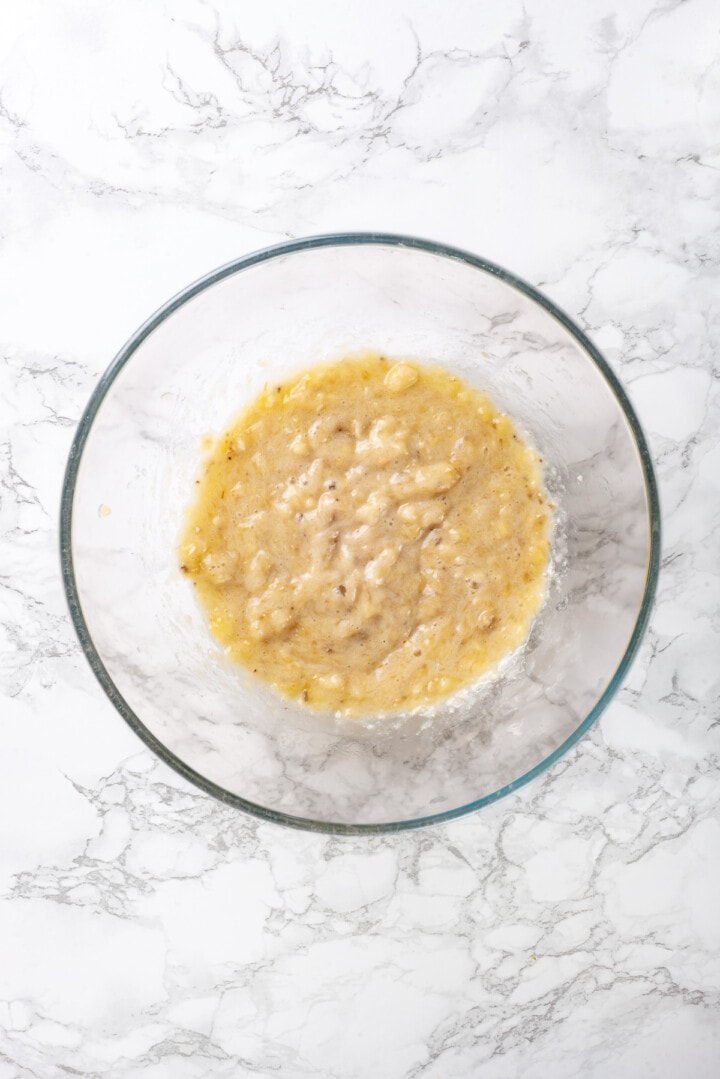
- Prepare . Preheat your oven to 350ºF and mash the bananas in a bowl. Measure 3/4 cup for the recipe.
- Combine the wet ingredients . Stir the pumpkin puree, melted butter, brown sugar, and vanilla extract into the mashed bananas.
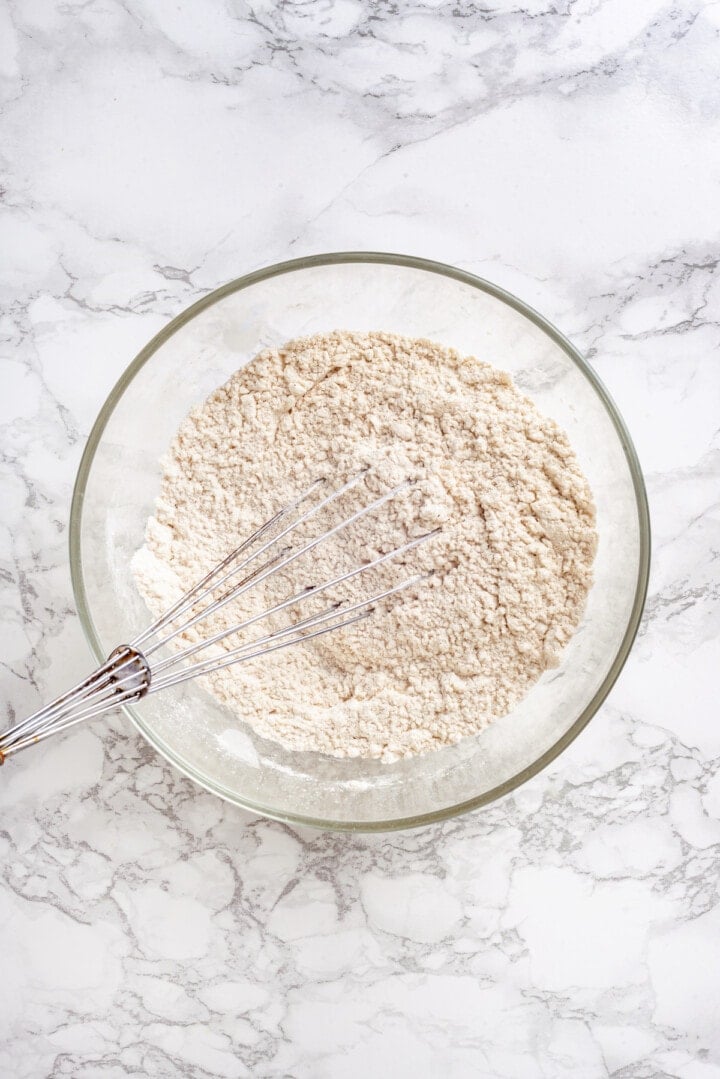
- Mix the dry ingredients . In another bowl, whisk together the all-purpose flour, pumpkin pie spices, baking powder, baking soda, and salt.
- Combine . Add the dry ingredients to the wet mixture and stir to combine.
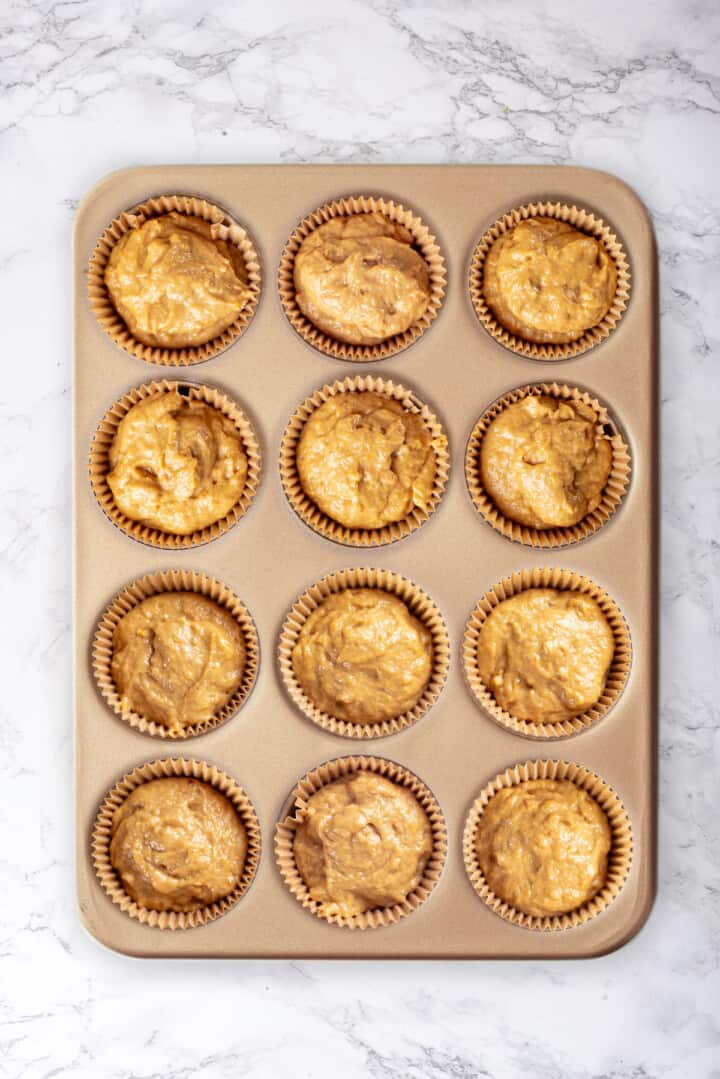
- Bake . Divide the batter into a muffin pan with liners, filling each about 3/4 of the way full. Bake for 25 to 30 minutes, or until the tops are golden and a toothpick inserted into the centre of a muffin comes out clean.
- Cool . Let the muffins cool in the pan for 5 minutes, then remove them and let them finish cooling on a wire rack.
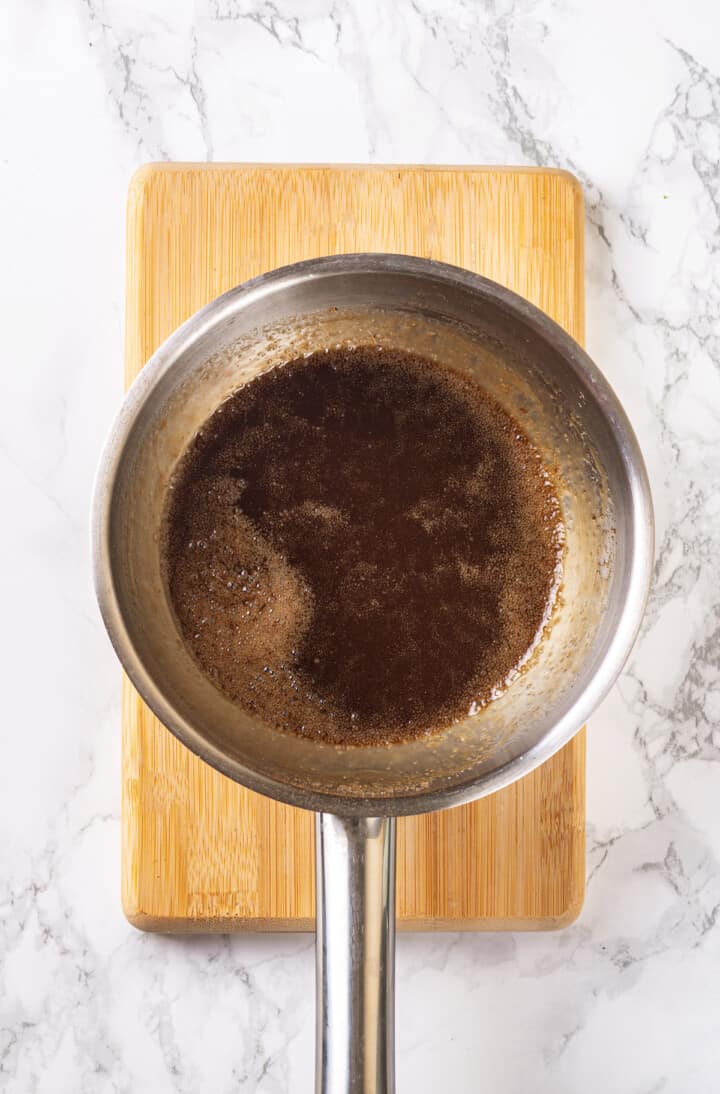
- Make the glaze . Combine the glaze ingredients in a small saucepan set over medium heat. Stir until the butter melts and the sugar dissolves, then bring to a simmer. Reduce the heat to low and continue to cook, stirring, for 3 minutes. Remove from heat and cool a bit.
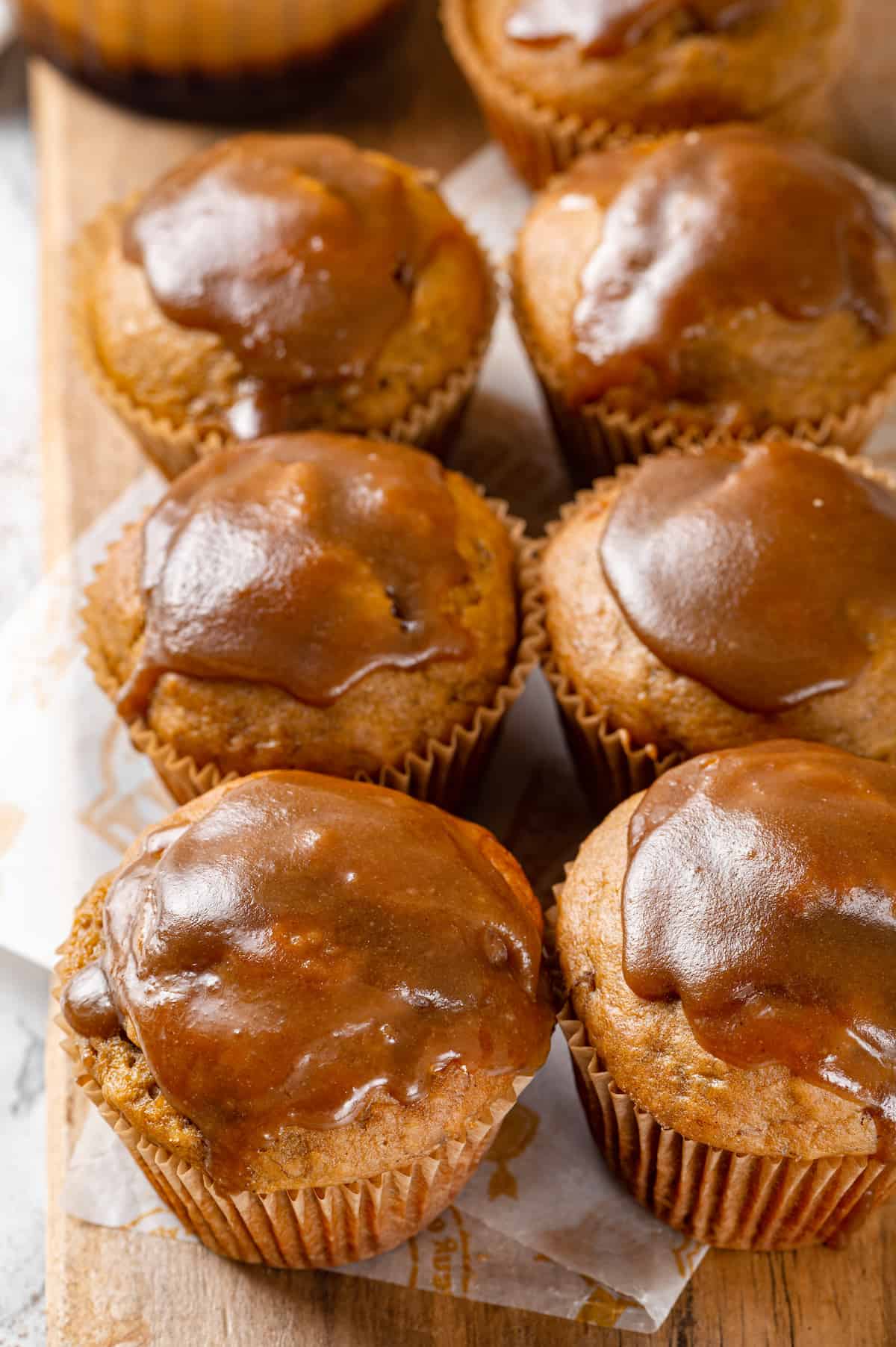
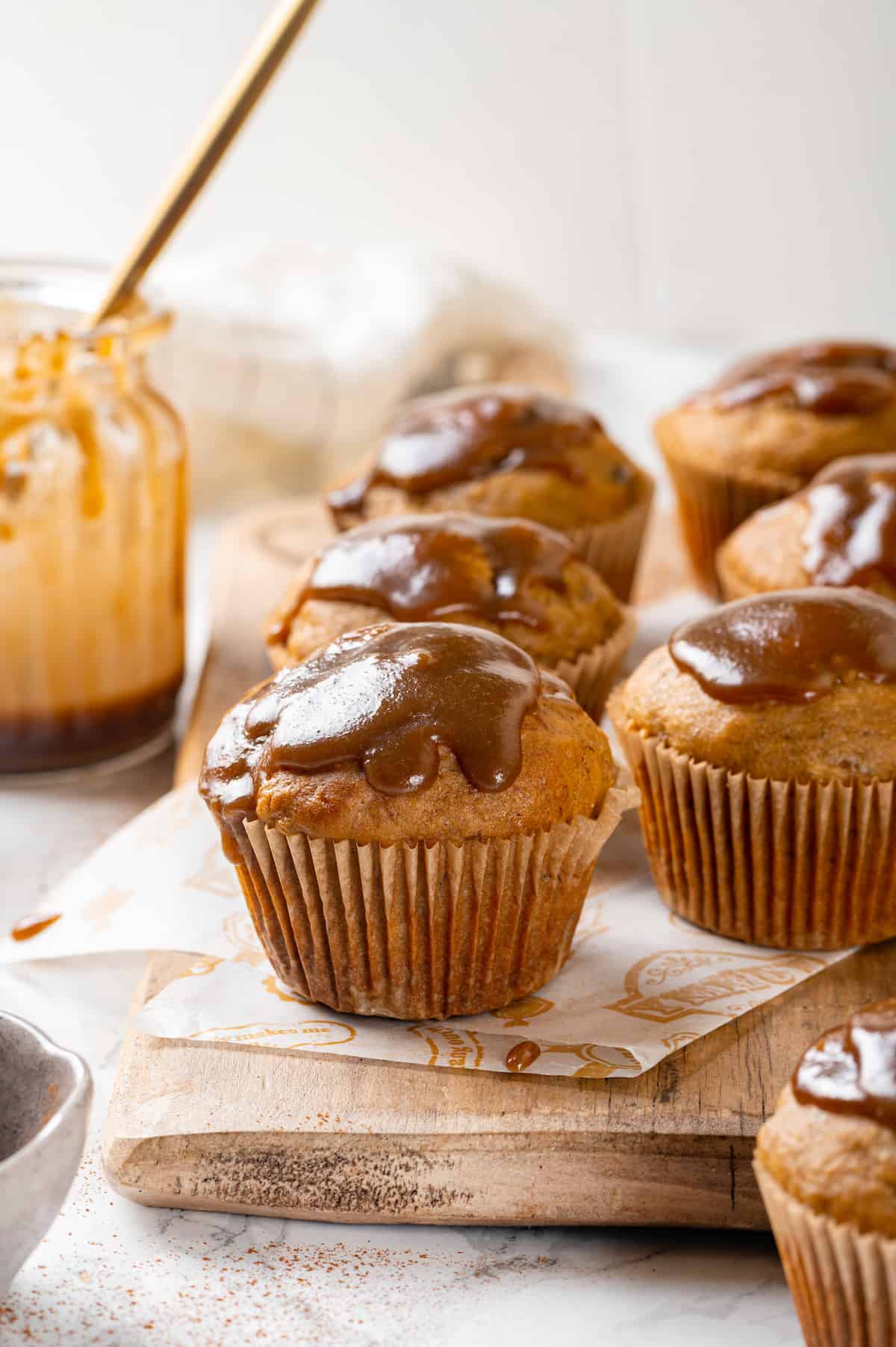
- Glaze the muffins . Pour the glaze over the muffins and let it set, then serve or store.
Tips for Success
- Measure the banana puree . If you simply mash the bananas and use all of them, your muffins could end up gummy and wet. After mashing the banana, measure out 3/4 cup. Discard the rest or set it aside for another purpose; if you don’t have 3/4 cup, you can add a bit more pumpkin puree.
- Don’t over-mix . The biggest mistake bakers make is over-mixing muffins! It’s absolutely fine if there are a few lumps or streaks of flour in the batter. If you mix too much, the muffins will be tough and dense.
- Let the muffins cool before you glaze them . Otherwise, the glaze will simply melt right into the warm muffins. They’ll still be delicious, but they won’t have the look you’re going for and the texture will end up mushy.
Variations
If you’d like to add mix-ins, you certainly can! Chocolate chips are always a winner, or try chopped nuts—pecans or walnuts would be fantastic in banana pumpkin muffins.
Another variation option is to skip the glaze. For a simpler topping option, you can sprinkle coarse Turbinado or Demerara sugar over the muffins, which will make the tops sweet and crunchy. If you want something a little more decadent, try my vegan cream cheese frosting .
How to Store
Store these muffins in an airtight container at room temperature for 3 to 4 days. If you’d like to keep them longer, they can be frozen in a zip-top bag or airtight container for up to 3 months.
You can let frozen banana pumpkin muffins thaw on the countertop at room temperature, or you can microwave them until they’re warmed through.
More Vegan Pumpkin Recipes
- Pumpkin Pancakes
- Vegan Pumpkin Cheesecake
- Creamy Pumpkin Soup
- Pumpkin Dump Cake
- Vegan Pumpkin Chili
Ingredients
- 2 ripe bananas , ¾ cup mashed
- 1 cup pumpkin puree , 225g
- ⅓ cup vegan butter , melted (75g)
- 1 cup brown sugar , 210g
- 1 teaspoon vanilla extract
- 2 cups all purpose flour , 240g
- 1 ½ teaspoons pumpkin pie spice
- 1 teaspoon baking powder
- ½ teaspoon baking soda
- ¼ teaspoon salt
For the glaze:
- ½ cup brown sugar , 105g
- 2 tablespoons vegan butter
- 2 tablespoons coconut milk
- ½ teaspoon vanilla extract
- generous pinch of salt
Instructions
- Preheat the oven to 350ºF.
- In a large bowl, mash 2 bananas with a fork until smooth and creamy. Measure the banana puree, you should have ¾ cups in total. If you have less you can add a bit more pumpkin puree.
- Add pumpkin puree, melted butter, brown sugar, and vanilla extract to the mashed bananas and mix thoroughly.
- In a separate bowl whisk dry ingredients: all purpose flour, pumpkin pie spices, baking powder, baking soda and salt.
- Add dry ingredients to the pumpkin/banana mixture and stir just until there are no big lumps and the butter looks smooth. Don’t overmix it.
- Line your pan with muffin liners, then fill each about ¾ full.
- Bake for 25-30 minutes until the tops are golden and an inserted toothpick comes out clean. After taking out of the oven, leave them to cool for 5 minutes, then remove from the pan and place onto a cooling rack to cool completely.
- To prepare the glaze, combine all ingredients in a small saucepan and place on medium heat. Stir until the butter melts and the sugar dissolves. Bring to simmer, reduce heat to low and continue to cook, stirring, for 3 minutes. Let cool slightly before glazing the muffins, but not completely because the glaze will harden when cooled.
